Author: Calm Health Team

  • Herbal Anxiety Relief: Myths vs. Facts

    Herbal Anxiety Relief: Myths vs. Facts

    Feeling anxious? You’re not alone. Many people turn to herbal remedies for relief, hoping to find a natural solution to their anxiety. But how effective are these herbs really? Today, we’re diving deep into the world of herbal anxiety relief to separate the myths from the facts. Let’s explore what works, what doesn’t, and why.

    Understanding the Appeal of Herbal Remedies

    Herbal remedies have been used for centuries across different cultures, promising a natural path to calmness and peace. They often appeal to those who prefer to avoid pharmaceuticals and their potential side effects. But are these remedies truly effective, or are they just part of a longstanding tradition? To answer this, we need to dissect some of the most popular herbs used for anxiety relief.

    Commonly Used Herbs — Myth vs. Fact

    Valerian Root

    Valerian root is often touted as a miracle herb for anxiety and sleep issues. It’s said to work by increasing levels of a neurotransmitter called gamma-aminobutyric acid (GABA) in the brain, which helps to calm nervous activity. But here’s the catch—while some studies suggest it can be mildly effective for improving sleep, its impact on anxiety is less clear. A study published in the journal *Complementary Therapies in Medicine* found only marginal benefits in reducing anxiety symptoms. So, while valerian root might help you catch some Z’s, it may not be the anxiety cure-all some claim it to be.

    Kava

    Kava has gained popularity as an anxiety-relieving herb, with some studies supporting its effectiveness. It works by affecting the limbic system, the part of the brain linked to emotions. According to a clinical trial published in the *Journal of Clinical Psychopharmacology*, kava can significantly reduce anxiety symptoms. However, there’s a significant caveat—kava has been associated with serious liver damage in some cases. Therefore, it’s crucial to approach this herb with caution and consult a healthcare provider before use.

    Passionflower

    Passionflower is often recommended for anxiety relief, with claims of effectiveness dating back to Native American tribes. The herb is believed to increase GABA levels in the brain, promoting relaxation. However, scientific evidence is mixed. A review in the *Journal of Clinical Pharmacy and Therapeutics* suggests that while passionflower may help with anxiety, more rigorous studies are needed to confirm its efficacy. It’s a classic case of ‘it might help, but don’t bank on it.’

    Herbal Myths — What to Watch Out For

    Myths about herbal remedies often arise from anecdotal evidence or historical use rather than scientific validation. Here are a few misconceptions that deserve a closer look:

    • All natural means safe: Just because something is natural doesn’t mean it’s safe. Herbs can interact with medications or have side effects. Always consult with a healthcare provider.
    • Herbs are quick fixes: Herbal remedies are not magic bullets. They might provide some relief, but they’re often more effective when used as part of a broader anxiety management plan.
    • One-size-fits-all solution: Just like with any treatment, what works for one person might not work for another. Effectiveness can vary greatly depending on individual factors.

    Integrating Herbal Remedies into a Holistic Plan

    So, should you ditch herbal remedies altogether? Not necessarily. When used mindfully and in conjunction with other anxiety management strategies, herbs can be a part of a holistic plan. Here’s how to do it right:

    • Start small: If you decide to try an herbal remedy, begin with a low dose and monitor how your body responds.
    • Combine with lifestyle changes: Integrate herbs with practices like mindfulness, regular exercise, and a balanced diet for a more comprehensive approach.
    • Consult professionals: Always discuss with a healthcare provider or a certified herbalist, especially if you are taking other medications.
    • Stay informed: Keep up with the latest research to understand what is scientifically supported and what remains speculative.

    Final Thoughts

    Herbal remedies for anxiety offer potential benefits, but they’re not a panacea. By understanding the myths and facts surrounding these natural treatments, you can make informed decisions about your mental health. Remember, the best approach is often a balanced one, combining herbs with other proven anxiety-relief techniques. So, take a deep breath, stay curious, and approach your anxiety management journey with an open mind and a critical eye.

    Photo by Peter Burdon on Unsplash
  • How to Safely Incorporate Herbal Remedies into Your Routine

    How to Safely Incorporate Herbal Remedies into Your Routine

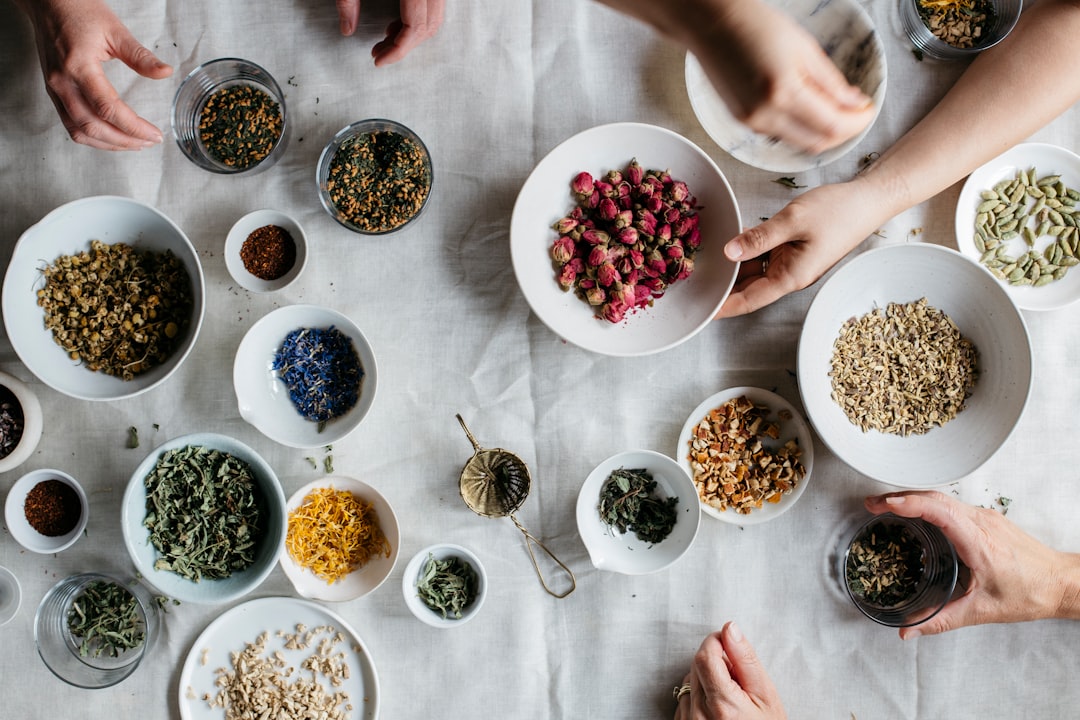
    Imagine coming home after a long day, your mind buzzing like a hive of bees. You crave peace, a moment to breathe. This is where herbal remedies can play a gentle, supportive role in your routine. But before diving into the world of herbs, it’s essential to understand how to use them safely and effectively.

    Understanding Herbal Remedies

    Herbal remedies have been used for centuries across different cultures to support mental well-being. They are derived from plants and can come in various forms such as teas, tinctures, capsules, or essential oils. However, just because something is natural doesn’t automatically make it safe for everyone. It’s important to respect their power and potential interactions with other medications or conditions.

    Why Consider Herbal Remedies for Anxiety?

    Herbs can be a gentle way to complement other anxiety management strategies. They can help soothe your nervous system, promote relaxation, and even improve sleep quality. Some popular herbs known for their calming effects include lavender, chamomile, valerian root, and passionflower. Each of these has unique properties that can help ease anxiety symptoms.

    Steps to Safely Incorporate Herbal Remedies

    1. Do Your Research

    Before using any herbal remedy, research its effects, benefits, and potential side effects. Reliable sources like The National Center for Complementary and Integrative Health offer valuable information. Understanding the science behind a herb can help you make informed decisions.

    2. Consult with a Healthcare Provider

    It’s crucial to talk with a healthcare provider, especially if you’re already on medication or have a chronic condition. They can help ensure that the herbs you choose don’t interfere with your current treatments. For instance, St. John’s Wort is a common herb that may interact with various medications, potentially reducing their effectiveness.

    3. Start with a Single Herb

    Begin with one herb to monitor how your body reacts. This approach allows you to pinpoint any side effects or interactions. Starting with a single herb, like chamomile tea, can be a gentle introduction to herbal remedies.

    4. Choose the Right Form

    Herbs come in many forms, each offering different benefits. For example, teas are easy to prepare and provide a calming ritual, while tinctures are more concentrated and require careful dosing. Decide what fits best into your routine and lifestyle.

    5. Monitor Your Response

    After introducing an herb, pay attention to how you feel, both mentally and physically. Keep a journal to note any changes in your anxiety levels, sleep patterns, or mood. This record will help you assess the herb’s effectiveness.

    Real-Life Example — Emily’s Experience with Lavender

    Take Emily, a busy professional who struggled with evening anxiety. After consulting with her doctor, she decided to try lavender essential oil. She added a few drops to a diffuser in her bedroom each night. Over time, Emily noticed her sleep improved, and she felt less anxious at bedtime. This simple addition to her routine made a significant difference in her overall well-being.

    Potential Risks and Considerations

    While herbs can be beneficial, it’s essential to be aware of potential risks. Some herbs can cause allergic reactions or interact with medications. For example, kava, a herb used for its calming effects, has been linked to liver damage if used improperly. Always follow recommended dosages and consult a healthcare professional if in doubt.

    Final Thoughts — Integrating Herbs into Your Lifestyle

    Incorporating herbal remedies into your routine is about finding balance and listening to your body. It’s not about replacing conventional treatments but complementing them with nature’s help. By approaching herbal remedies thoughtfully and safely, you can nurture a more peaceful state of mind and improve your overall quality of life.

    Remember, the journey to wellness is personal. What works for one person might not be the perfect fit for another. Keep experimenting, stay informed, and always prioritize your health and safety.

    Photo by Luisa Brimble on Unsplash

  • Top Herbal Remedies for Anxiety: A Comparative Guide

    Top Herbal Remedies for Anxiety: A Comparative Guide

    In the whirlwind of modern life, anxiety can easily creep in, making it a challenge to stay grounded. While medication is an option for some, others might prefer exploring natural alternatives. Enter herbal remedies—a time-tested approach to easing anxiety without the side effects of pharmaceuticals. Let’s dive into a comparative guide on some of the top herbal remedies for anxiety relief.

    Understanding Herbal Remedies

    Herbal remedies have been used for centuries in various cultures to treat anxiety and other ailments. These remedies often work by influencing neurotransmitters in the brain, similar to how conventional medications operate. However, the appeal of herbs lies in their natural origins and the holistic approach they offer for wellness.

    Top Herbal Remedies for Anxiety

    1. Ashwagandha — The Stress Reliever

    Withania somnifera, commonly known as ashwagandha, is an adaptogen—a natural substance that helps the body adapt to stress. Studies suggest that ashwagandha can significantly reduce cortisol levels, a hormone released in response to stress. It’s often used in Ayurvedic medicine to enhance resilience against stress and anxiety.

    Example: A 2019 study found that individuals taking ashwagandha reported a decrease in anxiety and stress, alongside improved sleep quality. For those juggling a hectic lifestyle, incorporating ashwagandha supplements might be a practical step towards managing anxiety.

    2. Lavender — Nature’s Calming Agent

    Known for its soothing fragrance, lavender is more than just an aromatic plant. Lavender oil, when used in aromatherapy or as a supplement, has been shown to reduce anxiety levels. Its calming effects can help ease tension and promote relaxation.

    Example: Imagine unwinding at the end of a long day with a lavender-infused bath. This simple ritual can help transition from a state of stress to one of tranquility, making it a favourite among those seeking natural anxiety relief.

    3. Passionflower — The Sleep Supporter

    Passionflower is another potent herb for anxiety, often used to treat insomnia and anxiety disorders. It works by increasing levels of gamma-aminobutyric acid (GABA) in the brain, which helps reduce brain activity and promote relaxation.

    Example: Consider a scenario where your mind races at night, keeping you awake. Passionflower tea or supplements might offer the calming effect needed to help you drift into a peaceful sleep, thereby reducing anxiety over time.

    4. Valerian Root — The Tranquility Booster

    Valerian root has a long history of use as a sedative and anti-anxiety treatment. It’s particularly known for its ability to improve sleep quality and reduce the time it takes to fall asleep, which can be beneficial for those with anxiety-induced insomnia.

    Example: A 2020 study highlighted that participants who consumed valerian root reported lower anxiety levels. Integrating valerian into your routine, perhaps as a supplement or tea, might be an effective way to manage anxiety symptoms.

    5. Chamomile — The Gentle Calmer

    Chamomile is a well-known herb for relaxation and is often consumed as a tea. It’s gentle yet effective, making it a great option for those new to herbal remedies. Chamomile contains antioxidants that help reduce inflammation, potentially lowering anxiety.

    Example: Picture a cup of chamomile tea before bed. This simple habit can help calm the mind and ease anxiety, providing a nurturing end to the day.

    Choosing the Right Herbal Remedy

    While these herbs offer promising benefits, it’s crucial to consider personal factors such as existing health conditions, medication interactions, and individual responses to herbal treatments. Consulting with a healthcare professional before starting any new herbal regimen is always a wise decision.

    Integrating Herbal Remedies into Daily Life

    Incorporating herbal remedies into your routine doesn’t have to be complicated. You can start by trying a tea, supplement, or essential oil. Pay attention to how your body reacts and adjust accordingly. Remember, consistency is key to experiencing the full benefits of these natural allies.

    Ultimately, herbal remedies can be a valuable component of a comprehensive anxiety management plan. They offer a natural, gentle approach to easing anxiety, helping you find balance amidst the busyness of life. Whether you’re sipping a calming tea or inhaling the soothing scent of lavender, these herbs can be powerful tools in your journey towards wellness.

    Photo by Alexandr Popadin on Unsplash

  • Understanding Herbal Constituents for Anxiety Relief

    Understanding Herbal Constituents for Anxiety Relief

    Have you ever wondered why certain herbs have such a calming effect, especially when it comes to easing anxiety? Let’s dive into the world of herbal constituents and explore how these natural compounds can offer relief.

    The Science Behind Herbal Remedies

    Herbs have been used for centuries to treat a variety of ailments, and anxiety is no exception. But what exactly in these plants makes them effective? The answer lies in their constituents—specific compounds that interact with our body’s chemistry to produce calming effects.

    Key Constituents in Anxiety-Relieving Herbs

    Various herbs have unique profiles of active compounds. Here, we’ll explore some common herbs and the constituents believed to provide anxiety relief:

    • Valerian Root: Known for its sedative properties, valerian contains valerenic acid and valerenol, which are thought to increase the amount of gamma-aminobutyric acid (GABA) in the brain. GABA helps to calm nervous activity and reduce anxiety.
    • Chamomile: This gentle herb is rich in apigenin, a flavonoid that binds to benzodiazepine receptors in the brain, which can help to ease anxiety and promote relaxation.
    • Lavender: Often used in aromatherapy, lavender contains linalool and linalyl acetate, compounds that have been shown to have sedative effects and reduce levels of anxiety.
    • Passionflower: This beautiful flower is packed with vitexin and chrysin, which may help increase GABA levels, contributing to its calming effects.

    How These Constituents Work

    It’s one thing to list out these constituents, but understanding how they work is crucial. Let’s break down their action mechanisms:

    Interaction with Neurotransmitters

    Many of these herbal constituents interact with neurotransmitters—chemical messengers in the brain. For instance, by increasing GABA, they help slow down brain activity, which in turn can reduce feelings of anxiety. This is somewhat similar to how prescription anti-anxiety medications work, but with fewer side effects.

    Antioxidant Properties

    Another fascinating aspect is their antioxidant capabilities. Anxiety can be exacerbated by oxidative stress, where harmful molecules damage cells. Compounds like flavonoids in chamomile not only calm the mind but also combat oxidative stress, promoting overall well-being.

    Real-Life Applications

    Now, let’s talk about how you can integrate these herbal remedies into your life. Here are a few practical examples:

    • Evening Tea Ritual: Consider brewing a cup of valerian or chamomile tea an hour before bed. This simple routine can help ease the transition from a busy day to a restful night.
    • Aromatherapy with Lavender: Use a few drops of lavender essential oil in a diffuser to create a calming environment in your home or workspace.
    • Passionflower Supplements: Available in capsules or tinctures, passionflower supplements can be a convenient way to include this herb in your daily regimen.

    Safety and Considerations

    While herbal remedies can be effective, it’s important to use them wisely. Always start with a small dose to see how your body reacts and consult with a healthcare professional, especially if you are pregnant, nursing, or taking other medications.

    Remember, natural doesn’t always mean risk-free. Some herbs can interact with medications or cause allergic reactions. It’s crucial to research and choose high-quality products from reputable sources.

    Building a Personalized Plan

    Everyone’s experience with anxiety is unique, and what works for one person might not work for another. Start by experimenting with different herbs and note how each affects your anxiety levels. Keeping a journal can help track which remedies are most effective for you.

    Incorporating these natural options into your routine could offer a gentle yet powerful way to manage anxiety. As you explore these herbal remedies, remember to listen to your body and make adjustments as needed.

    Ultimately, the goal is to create a personalized, sustainable self-care plan that fits seamlessly into your lifestyle, helping you manage anxiety in a way that feels both natural and effective.

    Photo by Carmen Grobler on Unsplash

  • Evaluating Natural Anxiety Relief Strategies: A Holistic Approach

    Evaluating Natural Anxiety Relief Strategies: A Holistic Approach

    Anxiety is a complex emotional state that many individuals experience at varying levels of intensity. As more people seek effective natural solutions, understanding how to evaluate and integrate these remedies becomes crucial. This guide explores the efficacy of combining various natural anxiety relief strategies for a holistic approach to mental well-being.

    Understanding Natural Anxiety Relief

    Natural anxiety relief encompasses a range of strategies, including herbal supplements, mindfulness practices, dietary adjustments, and lifestyle changes. These approaches aim to reduce anxiety symptoms without relying on pharmaceuticals, which can sometimes come with undesirable side effects.

    The Science Behind Holistic Approaches

    Holistic approaches to anxiety relief focus on addressing the root causes of anxiety by considering the interconnectedness of body, mind, and spirit. Research shows that combining multiple strategies can enhance overall effectiveness. For instance, a study published in the Journal of Clinical Psychology found that individuals who practiced mindfulness meditation alongside regular exercise experienced a more significant reduction in anxiety symptoms compared to those who practiced either method alone.

    Evaluating Herbal Supplements

    Herbal supplements like Valeriana officinalis (valerian root), Passiflora incarnata (passionflower), and Piper methysticum (kava kava) are popular choices for natural anxiety relief. Each offers unique benefits:

    • Valerian Root: Known for its calming properties, valerian root can promote relaxation and improve sleep quality.
    • Passionflower: This herb may help reduce anxiety by increasing levels of gamma-aminobutyric acid (GABA) in the brain.
    • Kava Kava: Traditionally used in Pacific cultures, kava kava is effective in reducing anxiety without impairing cognitive function.

    When evaluating these supplements, consider potential interactions with other medications and consult with a healthcare provider to ensure safety and efficacy.

    Incorporating Mindfulness and Meditation

    Mindfulness and meditation are powerful tools for managing anxiety. These practices encourage individuals to focus on the present moment, thereby reducing anxious thoughts about the future. A practical example is the use of guided meditation apps like Headspace or Calm, which offer structured programs to help users cultivate mindfulness over time.

    Case Study — Mindfulness in Action

    Consider the experience of a busy professional who integrated a daily 10-minute mindfulness routine into their morning schedule. Over a three-month period, they reported a noticeable decrease in overall anxiety levels and improved concentration at work. This demonstrates the potential impact of consistent mindfulness practice on anxiety management.

    Diet and Lifestyle Adjustments

    Diet plays a crucial role in mental health. A balanced diet rich in omega-3 fatty acids, antioxidants, and B vitamins can support brain health and reduce anxiety symptoms. For instance, incorporating foods like fatty fish, nuts, seeds, and leafy greens into your diet can help stabilize mood and improve cognitive function.

    Additionally, regular physical activity has been shown to significantly reduce anxiety. A study from the American Journal of Psychiatry highlights that individuals engaging in moderate exercise experienced a 30% reduction in anxiety symptoms compared to those with a sedentary lifestyle.

    Creating a Personalized Anxiety Relief Plan

    To effectively manage anxiety naturally, it’s essential to develop a personalized plan that considers individual preferences and lifestyle. Start by selecting one or two strategies that resonate with you, such as incorporating a herbal supplement and starting a mindfulness practice. Gradually introduce other elements, like dietary changes or physical activity, as you become more comfortable.

    Regularly assess the effectiveness of each component and adjust your plan based on what works best for you. Remember, the key is consistency and patience, as natural remedies may take time to show results.

    The Importance of Professional Guidance

    While natural remedies can be effective, it’s important to seek professional guidance when necessary. A healthcare provider or mental health professional can offer valuable insights and ensure that your approach is safe and suitable for your needs.

    Ultimately, evaluating and integrating natural anxiety relief strategies requires a comprehensive understanding of your unique situation. By taking a holistic approach, you can create a sustainable plan that not only alleviates anxiety symptoms but also enhances overall well-being.

    Photo by Alex Shute on Unsplash

  • Combining Mindfulness and Physical Activity for Anxiety Relief

    Combining Mindfulness and Physical Activity for Anxiety Relief

    Anxiety is a common challenge in today’s fast-paced world, and finding effective relief methods is crucial for maintaining overall well-being. Combining mindfulness and physical activity is a powerful strategy for managing anxiety that leverages both mental and physical health benefits. This comprehensive guide explores how integrating mindfulness with physical exercise can enhance anxiety management, offering actionable insights and practical examples for busy individuals.

    Understanding the Connection Between Mindfulness and Physical Activity

    Mindfulness, the practice of being present and fully engaged with the current moment without judgment, has been shown to reduce stress and anxiety. Physical activity, on the other hand, releases endorphins, which are natural mood lifters. When these two approaches are combined, they can create a synergistic effect, amplifying the benefits of each.

    Research indicates that engaging in mindful physical activities, such as yoga, tai chi, or even mindful walking, can significantly decrease anxiety levels. These practices encourage the mind to focus on the body’s movements and sensations, promoting a state of calm and reducing anxious thoughts.

    Implementing Mindful Exercise in Daily Life

    For those new to the concept, integrating mindfulness into physical activity can begin with simple adjustments to daily routines. Here’s how you can start:

    Mindful Walking

    Walking is a low-impact exercise that most people can incorporate into their daily routines. To practice mindful walking:

    • Focus on your breath: Pay attention to your breathing pattern as you walk. Notice the rhythm of your breaths and how they synchronize with your steps.
    • Engage your senses: Be aware of the sights, sounds, and smells around you. This sensory engagement helps ground you in the present moment.
    • Acknowledge your thoughts: If your mind starts to wander, gently bring your focus back to your walking and breathing.

    Yoga and Tai Chi

    These ancient practices are excellent for combining mindfulness with physical movement. Both yoga and tai chi involve slow, deliberate movements and controlled breathing, which help reduce stress and increase body awareness.

    Incorporate these practices into your routine by taking a class or following online tutorials. Focus on the flow of your movements and how your body feels during each pose or sequence.

    Real-Life Examples and Case Studies

    Consider the case of Sarah, a marketing executive who struggled with anxiety due to her demanding job. After incorporating mindful walking into her daily commute, she noticed a significant reduction in her anxiety levels. The practice helped her clear her mind and prepare for the day ahead.

    Another example is John, who turned to yoga after experiencing anxiety from work-related stress. The mindful breathing and stretching routines allowed him to release tension and improve his focus, which translated into better performance at work and a calmer state of mind.

    Practical Tips for Success

    To successfully combine mindfulness and physical activity for anxiety relief, consider these tips:

    • Start small: Begin with short, manageable sessions and gradually increase the duration as you become more comfortable with the practice.
    • Consistency is key: Try to incorporate mindful exercise into your routine at the same time each day to build a habit.
    • Listen to your body: Pay attention to how your body feels during and after exercise. Adjust the intensity and type of exercise based on your energy levels and anxiety needs.

    Conclusion

    Combining mindfulness and physical activity offers a holistic approach to anxiety management that addresses both mental and physical health. By integrating mindful practices into your exercise routine, you can create a sustainable strategy for reducing anxiety and enhancing overall well-being. Whether through mindful walking, yoga, or tai chi, the key is to remain present and engaged, allowing your mind and body to work together in harmony.

    Photo by Vitaly Gariev on Unsplash

  • How Exercise Influences Anxiety: Natural Techniques

    How Exercise Influences Anxiety: Natural Techniques

    In a world where stress and anxiety have become common companions in our daily lives, finding effective natural methods for anxiety relief is crucial. Exercise, often hailed as a cornerstone of physical health, also plays a significant role in managing anxiety. Understanding how different exercise routines impact anxiety levels can empower individuals to incorporate movement into their wellness plans effectively.

    Understanding the Connection Between Exercise and Anxiety

    Exercise is more than just a physical activity; it’s a powerful tool for mental well-being. Engaging in regular physical activity triggers biochemical changes in the brain that can affect mood and anxiety levels. When you exercise, your body releases endorphins, often referred to as ‘feel-good’ hormones, which act as natural painkillers and mood elevators.

    Moreover, exercise reduces levels of the body’s stress hormones, such as adrenaline and cortisol. Through consistent movement, individuals can significantly lower these hormones, leading to reduced feelings of anxiety and stress. It’s not just about the physical act itself but also about the chemical transformations it initiates within the body.

    Types of Exercise and Their Impact on Anxiety

    While all forms of exercise can contribute to reducing anxiety, different types of exercise have varying impacts. Here we explore some popular exercise routines and their specific benefits for anxiety management:

    Aerobic Exercises

    Aerobic exercises, also known as cardiovascular exercises, include activities like running, swimming, and cycling. These exercises are highly effective in reducing anxiety levels due to their ability to increase heart rate and promote the release of endorphins. A study published in the Journal of Clinical Psychiatry highlights that individuals engaging in regular aerobic exercise reported lower anxiety symptoms compared to those who did not.

    Strength Training

    Strength training, which involves exercises like weight lifting and resistance band workouts, helps increase muscle strength and endurance. It also positively influences mental health by improving body image and boosting self-esteem, both of which are powerful antidotes to anxiety. Research indicates that strength training can lead to reductions in anxiety symptoms, making it a valuable practice for mental resilience.

    Yoga and Mindfulness-Based Exercises

    Yoga combines physical postures, breathing techniques, and meditation, making it an excellent exercise for managing anxiety. The focus on breath and movement helps reduce stress and promotes a state of calm. A clinical trial found that participants practicing yoga reported significant reductions in anxiety and increased feelings of overall well-being.

    Outdoor Activities

    Engaging in outdoor activities such as hiking, walking, or gardening provides the dual benefits of exercise and exposure to nature. The natural environment can enhance mood and reduce feelings of anxiety. A study in the Environmental Science & Technology journal found that participants who exercised outdoors experienced greater improvements in mental well-being than those who exercised indoors.

    Implementing Exercise into Your Routine for Anxiety Relief

    For those looking to harness the anxiety-reducing benefits of exercise, integrating movement into daily life can be straightforward and rewarding. Here are some practical steps:

    1. Start Small: Begin with short, manageable sessions. Even a 10-minute brisk walk can significantly impact mood and anxiety levels.
    2. Find What You Enjoy: The best exercise is the one you enjoy. Whether it’s dancing, swimming, or yoga, choosing activities you love ensures consistency.
    3. Create a Routine: Consistency is key. Set regular times for exercise to make it a habitual part of your day.
    4. Listen to Your Body: Pay attention to how your body and mind respond to different types of exercise. Adjust intensity and duration based on your comfort level.
    5. Combine Exercises: A combination of aerobic, strength training, and mindfulness exercises can provide comprehensive benefits for mental and physical health.

    Real-Life Example — John’s Journey to Anxiety Relief Through Exercise

    John, a 35-year-old professional, struggled with anxiety due to work stress. After consulting with a wellness coach, he incorporated a mix of running and yoga into his routine. Within a few weeks, John noticed a significant reduction in his anxiety levels. The endorphin rush from running combined with the calming effects of yoga provided a balanced approach to managing his mental health.

    John’s experience highlights the potential of exercise as a natural remedy for anxiety relief. By finding activities that suit his lifestyle and preferences, he was able to create a sustainable self-care routine that supported his emotional well-being.

    Conclusion

    Exercise is a powerful, natural technique for managing anxiety. By understanding the impact of different exercise routines, individuals can tailor their physical activity to maximize mental health benefits. Whether through aerobic exercises, strength training, or mindfulness practices like yoga, the key is to find a routine that fits seamlessly into your lifestyle. As you embark on this journey, remember that consistency and enjoyment are your allies in transforming exercise into a cornerstone of anxiety management.

    Photo by Chris on Unsplash

  • The Role of Nutrition in Natural Anxiety Relief

    The Role of Nutrition in Natural Anxiety Relief

    When it comes to managing anxiety naturally, nutrition plays a pivotal role. The relationship between what we consume and how we feel is deeply interconnected, especially regarding mental health. As more individuals seek natural remedies for anxiety, understanding how dietary choices can influence this condition becomes increasingly important.

    Understanding the Gut-Brain Connection

    The gut-brain axis is a bidirectional communication network that links the emotional and cognitive centers of the brain with peripheral intestinal functions. This connection means that our gut health can significantly impact our mental state. Neurotransmitters like serotonin, which regulates mood and anxiety, are primarily produced in the gut. Therefore, maintaining a healthy gut environment is crucial for natural anxiety relief.

    The Role of Probiotics

    Probiotics, the beneficial bacteria in our gut, can influence brain function and mood. Studies have shown that certain strains of probiotics, such as Lactobacillus and Bifidobacterium, can reduce anxiety symptoms. Including fermented foods like yogurt, kefir, and sauerkraut in your diet can help enhance your gut flora, supporting better mental health.

    Key Nutrients for Anxiety Reduction

    Several nutrients play a critical role in anxiety management. Here’s a closer look at some of the most impactful ones:

    Omega-3 Fatty Acids

    Found in fatty fish like salmon and mackerel, omega-3 fatty acids are renowned for their anti-inflammatory properties and their ability to support brain health. Research indicates that omega-3s can reduce symptoms of anxiety and depression by enhancing brain function and reducing inflammation.

    Magnesium

    Often referred to as nature’s valium, magnesium is a mineral that helps regulate neurotransmitters, which send signals throughout the nervous system and brain. Foods rich in magnesium, such as leafy greens, nuts, and seeds, can help reduce anxiety levels by promoting relaxation and calming the nervous system.

    Vitamin D

    Known as the sunshine vitamin, vitamin D plays a crucial role in mood regulation. Low levels of vitamin D have been linked to increased anxiety and depression. Sun exposure and foods like fortified cereals and fatty fish can help maintain adequate vitamin D levels, supporting mental health.

    Balancing Blood Sugar Levels

    Fluctuations in blood sugar levels can impact mood and anxiety. Consuming a diet high in refined sugars and carbohydrates can lead to dramatic spikes and crashes in blood sugar, exacerbating anxiety symptoms. A balanced diet with complex carbohydrates, protein, and healthy fats can help stabilize blood sugar levels, promoting a calmer mood.

    Complex Carbohydrates

    Complex carbohydrates, such as whole grains and legumes, are digested slowly, providing a steady energy source that helps maintain stable blood sugar levels. This consistency prevents mood swings and anxiety spikes associated with low blood sugar.

    Practical Dietary Changes for Anxiety Relief

    Adopting specific dietary habits can make a significant difference in managing anxiety naturally. Consider these practical changes:

    • Mindful Eating: Pay attention to what you eat and how it makes you feel. This practice can help you identify foods that trigger anxiety and those that make you feel better.
    • Regular Meals: Skipping meals can lead to low blood sugar levels, increasing anxiety. Try to eat balanced meals at regular intervals to maintain energy and mood stability.
    • Hydration: Dehydration can exacerbate anxiety symptoms. Ensure you drink enough water throughout the day to stay hydrated and maintain cognitive function.

    Case Study — Dietary Changes and Anxiety Reduction

    Consider Jane, a busy professional who struggled with anxiety. By incorporating more omega-3-rich foods, increasing her magnesium intake, and reducing processed sugar, she noticed a significant improvement in her anxiety levels within a few weeks. Jane’s experience highlights the potential impact of dietary changes on anxiety management.

    In conclusion, while nutrition is not a standalone cure for anxiety, it plays a crucial role in managing symptoms and supporting mental health. By making informed dietary choices, individuals can take proactive steps toward natural anxiety relief, complementing other therapeutic interventions.

    Photo by Markus Winkler on Unsplash

  • Integrating Natural Remedies into Your Anxiety Management Plan

    Integrating Natural Remedies into Your Anxiety Management Plan

    Anxiety can be an unwelcome guest in our lives, showing up unannounced and refusing to leave. While traditional therapies and medications are often recommended, there’s a growing interest in natural remedies that can complement these strategies. Integrating these remedies into your anxiety management plan can offer a holistic approach that feels more aligned with your lifestyle and values.

    Understanding Natural Remedies

    Before diving into the specifics, let’s clarify what we mean by natural remedies. These are treatments derived from nature, often with a long history of use in traditional medicine. They might include herbal supplements, dietary changes, physical activities like yoga and tai chi, and practices such as meditation and aromatherapy. Each of these can play a role in managing anxiety, and their effectiveness can vary from person to person.

    Herbal Supplements and Their Benefits

    Herbs have been used for centuries to treat various ailments, anxiety included. Some popular options include chamomile, lavender, and valerian root. Chamomile, often consumed as tea, is known for its calming effects. A study in the Journal of Clinical Psychopharmacology suggests that chamomile can significantly reduce anxiety symptoms. Similarly, lavender has been shown to improve both anxiety and mood when used as an essential oil or in supplement form.

    Real-Life Scenario — Embracing Lavender

    Consider Sarah, a busy mom juggling work and family. She found that diffusing lavender oil in her living room helped create a calming atmosphere, which eased her evening anxiety. This simple change became a cherished part of her daily routine.

    Mindfulness and Meditation Practices

    Incorporating mindfulness and meditation into your daily life can be transformative. These practices encourage you to focus on the present moment, reducing the grip of anxiety about the future or the past. A study published in Translational Behavioral Medicine found that regular meditation can significantly decrease anxiety levels in participants.

    Case Study — A Mindful Approach

    John, a software developer, began practicing mindfulness meditation for ten minutes each morning. Over time, he noticed a marked decrease in his workplace anxiety, leading to improved productivity and job satisfaction. This practice became a cornerstone of his daily routine.

    Physical Activity — Moving for Mental Health

    Exercise is often touted for its physical benefits, but its impact on mental health is equally significant. Activities like yoga, tai chi, and even regular walks can reduce anxiety symptoms. Exercise promotes the release of endorphins, the body’s natural mood lifters, and helps improve sleep quality, which in turn reduces anxiety.

    Practical Tip — Finding Your Flow

    For those new to exercise, start small. Perhaps a daily walk during your lunch break or a weekend yoga class. The key is consistency, as regular physical activity can create a positive feedback loop that enhances mental health over time.

    Dietary Choices and Anxiety

    What you eat can have a profound impact on your mood and anxiety levels. Diets rich in fruits, vegetables, whole grains, and lean proteins can support mental health. Conversely, high sugar and processed food intake can exacerbate anxiety symptoms.

    Example — Nutrient-Rich Choices

    Emily, a graduate student, began incorporating more omega-3 rich foods like salmon and walnuts into her diet. She noticed a gradual improvement in her anxiety levels and a greater ability to focus during her studies.

    Creating a Balanced Plan

    While natural remedies can be beneficial, they work best as part of a comprehensive anxiety management plan. This might include therapy, medication, and lifestyle changes. It’s crucial to consult with healthcare professionals before making significant changes, especially if you’re already on medication or undergoing therapy. They can help tailor a plan that suits your specific needs and ensures safety and efficacy.

    Integrating natural remedies into your anxiety management plan is about finding what resonates with you. It’s not about replacing medical advice but rather enhancing your approach to well-being. By experimenting with different strategies and being attuned to your body’s responses, you can create a personalized plan that supports a calmer, more balanced life.

    Photo by khampha phimmachak on Unsplash

  • Case Study: Reducing Anxiety with Natural Remedies

    Case Study: Reducing Anxiety with Natural Remedies

    Imagine waking up one day, feeling your heart racing, your palms sweaty, and a sense of dread looming over you. Anxiety can feel overwhelming, but what if I told you there are natural remedies that can help you manage these feelings effectively? Let’s dive into a real-life example of how natural remedies can play a crucial role in reducing anxiety.

    Understanding Anxiety Through Real-Life Experience

    Meet Sarah, a 32-year-old graphic designer working in a bustling city. The constant deadlines and high-pressure environment started taking a toll on her mental health. Sarah often found herself overwhelmed with anxiety, which affected her sleep and overall well-being. Desperate for a solution that didn’t involve medication, she turned to natural remedies as a way to regain control over her life.

    Exploring Natural Remedies

    Herbal Supplements

    Sarah began her journey with herbal supplements, particularly those known for their calming properties. She started with ashwagandha, an adaptogen renowned for reducing stress and anxiety. Over time, she noticed a decrease in her anxiety levels, particularly when facing stressful situations at work.

    Another herb that found its way into Sarah’s daily routine was chamomile. Known for its soothing effects, a nightly cup of chamomile tea became her ritual, helping her unwind after a long day and promoting a peaceful night’s sleep. The consistency of these small habits started making a noticeable difference.

    Aromatherapy

    In addition to herbal supplements, Sarah explored aromatherapy. Essential oils, such as lavender and bergamot, became her go-to for immediate relief during anxious moments. She carried a small roller bottle of lavender oil in her purse, dabbing it on her wrists whenever she felt overwhelmed. The aroma served as a gentle reminder to pause and breathe, helping her calm down quickly.

    Mindful Movement

    Incorporating movement into her daily routine was another strategy Sarah adopted. She found solace in yoga, a practice that not only strengthened her body but also calmed her mind. The combination of deep breathing and gentle stretching during yoga sessions provided a sense of tranquility that traditional exercise often lacked. Sarah prioritized attending classes twice a week, and the positive impact on her mental health was undeniable.

    The Science Behind Natural Remedies

    It’s essential to understand why these remedies can be effective. Herbal supplements like ashwagandha work by modulating the body’s stress response, while chamomile contains compounds that bind to receptors in the brain, promoting relaxation. Aromatherapy, through its direct impact on the olfactory system, can trigger the brain to release chemicals that reduce stress.

    Yoga and mindful movement help regulate the nervous system, reducing the fight-or-flight response that often exacerbates anxiety. By understanding these mechanisms, Sarah was able to choose the remedies that best suited her lifestyle and needs.

    Personalizing Natural Remedies

    What worked for Sarah might not be a one-size-fits-all solution. The key is personalizing these remedies to fit individual preferences and responses. Sarah kept a journal to track what worked and when, allowing her to tweak her routine as needed. This approach ensured that she wasn’t just following a trend but genuinely addressing her anxiety in a sustainable way.

    Final Thoughts

    Sarah’s journey isn’t just a story—it’s a testament to the power of natural remedies in managing anxiety. By integrating herbal supplements, aromatherapy, and mindful movement into her life, she found a way to navigate her anxiety without medication. Her experience serves as an encouraging example for anyone looking to explore natural remedies for anxiety management.

    If you’re considering a similar path, remember that it’s always wise to consult with a healthcare professional, especially if you’re already on medication. Natural remedies can complement traditional treatments, providing a holistic approach to mental well-being.

    Whether you’re sipping chamomile tea or practicing yoga, the journey to managing anxiety naturally is one of exploration and personal discovery. Embrace the process, and you might just find the peace of mind you’ve been seeking.

    Photo by Ahtziri Lagarde on Unsplash