Author: Calm Health Team

  • Case Study: Overcoming Anxiety with Mindfulness Practices

    Case Study: Overcoming Anxiety with Mindfulness Practices

    In an ever-demanding world, the prevalence of anxiety is a growing concern, affecting millions globally. While traditional treatments like therapy and medication are beneficial, there’s an increasing interest in complementary approaches like mindfulness. Mindfulness practices offer a holistic way to manage anxiety by encouraging individuals to focus on the present moment, thereby reducing stress and improving emotional regulation. This case study explores how mindfulness has been successfully utilized by individuals to overcome anxiety, offering practical insights and real-life examples.

    Understanding Mindfulness in the Context of Anxiety

    Mindfulness, at its core, is a state of active, open attention to the present. It involves observing thoughts and feelings without judgment, which helps in acknowledging and accepting them as they are. This practice is particularly effective for anxiety as it encourages individuals to detach from the spiraling thoughts that often accompany anxious episodes.

    The Science Behind Mindfulness

    Scientific studies have consistently shown that mindfulness practices can significantly reduce symptoms of anxiety. According to research published in the Journal of Clinical Psychology, participants who engaged in mindfulness-based stress reduction (MBSR) programs reported a decrease in anxiety levels, demonstrating the effectiveness of these practices.

    Real-Life Example — Sarah’s Journey with Anxiety and Mindfulness

    Consider Sarah, a 35-year-old marketing manager. With a demanding job and a hectic personal life, Sarah often found herself overwhelmed by anxiety. Traditional therapy provided some relief, but it wasn’t until she incorporated mindfulness into her routine that she noticed a significant shift. By dedicating just 10 minutes each morning to mindful meditation, Sarah learned to center herself and approach her day with a calm, focused mindset.

    Practical Mindfulness Techniques for Anxiety Relief

    Integrating mindfulness into daily life doesn’t require extensive time commitments or resources. Here are some practical techniques that have proved effective for many:

    • Mindful Breathing: This involves focusing on the breath, noticing the inhale and exhale. Mindful breathing can be practiced anywhere and helps ground individuals during moments of anxiety.

    • Body Scan Meditation: This practice encourages awareness of physical sensations throughout the body, promoting relaxation and helping to identify areas of tension.

    • Mindful Walking: Walking mindfully means paying attention to each step and the sensations in the body as you move. This can be a calming practice, especially during lunch breaks or after work.

    Sarah found mindful breathing particularly beneficial during stressful meetings. By focusing on her breath, she could calm her racing thoughts, enabling her to engage more effectively with her colleagues.

    Creating a Mindfulness Routine

    Consistency is key when it comes to reaping the benefits of mindfulness. Here’s a simple routine to get started:

    1. Set Aside Time: Schedule a specific time each day for mindfulness practice, whether it’s in the morning, during lunch, or before bedtime.

    2. Start Small: Begin with just five minutes a day, gradually increasing the duration as you become more comfortable.

    3. Be Patient: Mindfulness is a skill that develops over time. Be patient with yourself as you learn to incorporate it into your life.

    Sarah committed to a 10-minute mindful breathing exercise every morning, which became a cornerstone of her anxiety management strategy. Over time, she noticed a marked improvement in her ability to handle stress.

    Mindfulness as a Long-term Solution

    While mindfulness is not a cure-all, it serves as a powerful tool in the management of anxiety. Its benefits extend beyond immediate relief, fostering a long-term shift in how individuals relate to their thoughts and emotions. As Sarah’s experience illustrates, mindfulness can transform the way one navigates life’s challenges, providing a sustainable path to emotional well-being.

    For those seeking actionable ways to manage anxiety, incorporating mindfulness into daily life can be a game-changer. By drawing on real-life examples and practical techniques, individuals can create a personalized mindfulness practice that supports their journey towards calm health.

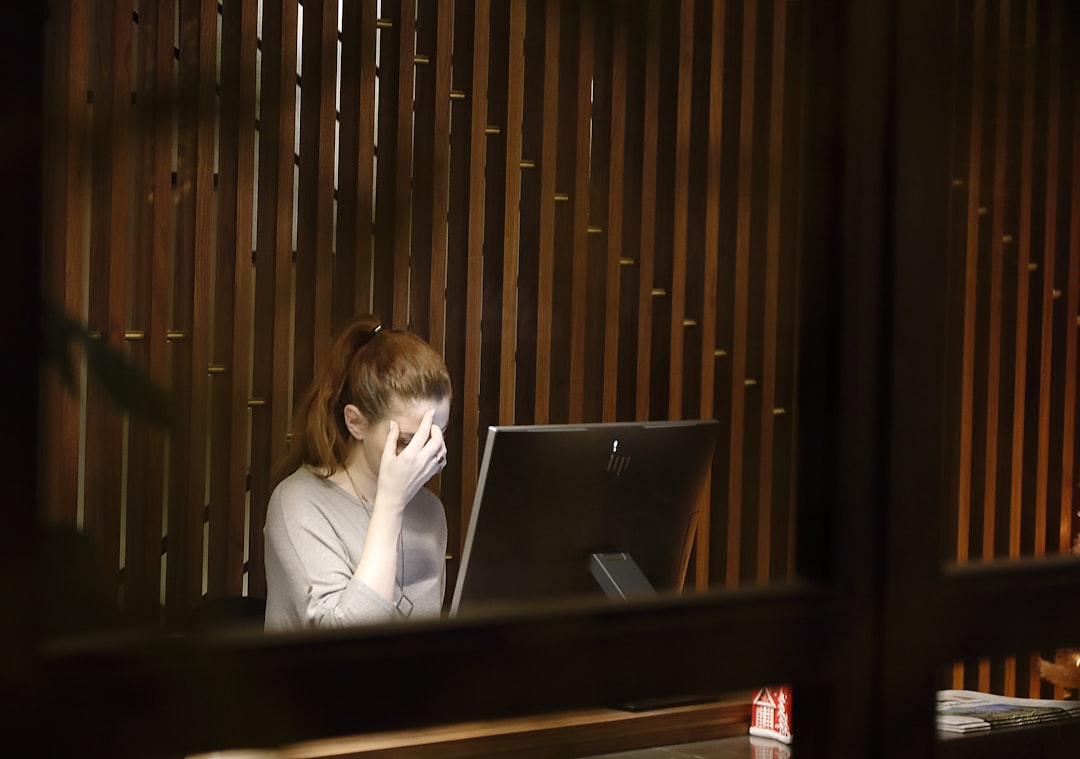
    Photo by Vasilis Caravitis on Unsplash

  • Building a Daily Routine to Manage Anxiety

    Building a Daily Routine to Manage Anxiety

    Anxiety can often feel like a relentless wave, disrupting daily life and making even the simplest tasks seem insurmountable. While there is no one-size-fits-all solution, building a structured daily routine can significantly help in managing anxiety. By incorporating consistent habits and mindful practices, you can create a foundation that supports mental well-being.

    Understanding the Role of Routine in Anxiety Management

    Routines offer a sense of predictability and control, which is particularly beneficial for individuals dealing with anxiety. A well-structured day can reduce the mental load of decision-making, lower stress, and create a calming rhythm. According to a study published in the Journal of Abnormal Psychology, routines can help stabilize mood fluctuations and reduce anxiety symptoms over time.

    Morning — Setting a Calm Tone for the Day

    How you start your morning can greatly influence your anxiety levels throughout the day. Consider the following strategies:

    Mindful Morning Practices

    • Mindful Breathing: Spend five minutes focusing on your breath. This can anchor your mind and help you start the day with clarity.

    • Gratitude Journaling: Write down three things you are grateful for. This positive focus can shift your mindset away from anxiety-inducing thoughts.

    Healthy Habits

    • Hydration: Start with a glass of water. Dehydration can exacerbate anxiety.

    • Balanced Breakfast: A nutritious meal stabilizes your energy levels. Consider foods rich in omega-3 fatty acids, which have been linked to reduced symptoms of anxiety.

    Midday — Maintaining Momentum and Focus

    As your day progresses, maintaining focus and managing stress effectively is crucial. Here are some techniques:

    Structured Breaks

    Implement the Pomodoro Technique, which involves working for 25 minutes followed by a 5-minute break. This method can enhance concentration and prevent burnout.

    Mindful Movement

    Incorporate physical activity, such as a short walk or stretching exercises. Physical movement releases endorphins, which are natural mood lifters.

    Evening — Winding Down and Preparing for Rest

    The evening is a critical time to unwind and prepare your mind for restful sleep, which is essential for managing anxiety.

    Digital Detox

    Avoid screens at least an hour before bed. The blue light emitted by devices can interfere with your sleep cycle, increasing anxiety levels.

    Relaxation Techniques

    • Progressive Muscle Relaxation: This involves tensing and then slowly releasing each muscle group in your body, which can reduce physical tension that often accompanies anxiety.

    • Bedtime Rituals: Consider a warm bath or reading a book. Such activities signal your body that it’s time to relax and prepare for sleep.

    Real-Life Application — A Case Study

    Consider the experience of Sarah, a marketing executive who used routines to manage her anxiety. By integrating morning mindfulness and evening relaxation techniques, she found herself more focused at work and less overwhelmed by personal challenges. Over six months, Sarah reported a noticeable decrease in her anxiety levels, attributing this improvement to her structured daily routine.

    Adapting Routines to Personal Needs

    While these suggestions provide a framework, it’s important to tailor your routine to fit your individual needs and lifestyle. Experiment with different practices and note what works best for you. Remember, the ultimate goal is to create a routine that fosters a sense of peace and stability.

    Conclusion — Embracing the Power of Routine

    Building a daily routine is a proactive step towards managing anxiety. By integrating mindful practices, maintaining physical health, and ensuring adequate rest, you can create a supportive environment that nurtures emotional resilience. Start small, remain consistent, and gradually adapt your routine to what best serves your mental health.

    Photo by Annie Spratt on Unsplash

  • Practical Techniques for Immediate Anxiety Relief

    Practical Techniques for Immediate Anxiety Relief

    Anxiety can strike at any moment, often catching us off guard and leaving us feeling overwhelmed. Whether you’re at work, on the go, or winding down at home, knowing how to manage anxiety in the moment is crucial. This guide provides practical techniques for immediate anxiety relief, all rooted in science and designed to help you regain control quickly.

    Understanding the Immediate Impact of Anxiety

    Before diving into techniques, it’s important to understand what happens when anxiety strikes. Typically, our body’s fight-or-flight response is activated, leading to physiological changes such as increased heart rate, faster breathing, and a surge of adrenaline. These changes prepare us to face perceived threats but can be debilitating if not managed properly.

    Breathing Techniques for Quick Calm

    One of the most effective ways to counteract the physical symptoms of anxiety is through controlled breathing. This simple yet powerful technique can help slow your heart rate and calm your mind.

    Box Breathing

    Box breathing, or four-square breathing, is a technique often used by athletes and military personnel to stay calm under pressure. Here’s how it works:

    • Inhale deeply through your nose for a count of four.

    • Hold your breath for a count of four.

    • Exhale slowly through your mouth for a count of four.

    • Pause and hold for a count of four before inhaling again.

    Practicing this cycle for a few minutes can significantly reduce anxiety and increase focus.

    4-7-8 Breathing

    This technique, developed by Dr. Andrew Weil, promotes relaxation and helps manage anxiety:

    • Inhale quietly through the nose for a count of four.

    • Hold the breath for seven counts.

    • Exhale completely through the mouth for a count of eight.

    Repeat this sequence four times to feel a calming effect.

    Grounding Techniques to Anchor Your Mind

    Grounding techniques help bring your mind back to the present moment, reducing the impact of anxiety.

    The 5-4-3-2-1 Technique

    This sensory awareness exercise involves naming:

    • Five things you can see

    • Four things you can touch

    • Three things you can hear

    • Two things you can smell

    • One thing you can taste

    By focusing on your senses, you distract your mind from anxious thoughts.

    Physical Techniques to Release Tension

    Physical movement is a powerful way to relieve anxiety and reset your nervous system.

    Progressive Muscle Relaxation

    This technique involves tensing and then slowly releasing different muscle groups. Begin at your toes and work your way up to your head, focusing on each muscle group for a few seconds. This process helps release physical tension, which can contribute to anxiety relief.

    Quick Exercise Bursts

    Engaging in short bursts of exercise, such as a brisk walk or jumping jacks, can increase endorphin levels, which are natural mood lifters. Even a few minutes of movement can significantly reduce anxiety levels.

    Mental Techniques for Immediate Relief

    Mental exercises can help shift your focus from anxiety to a more balanced perspective.

    Visualization

    Close your eyes and imagine a place where you feel safe and relaxed. Picture the details vividly, from the colors to the sounds. This mental escape can provide a quick respite from anxiety.

    Affirmations

    Repeating positive affirmations can help reframe anxious thoughts. Examples include, “I am capable of handling this moment” or “This feeling is temporary and will pass.” Regularly practicing affirmations can build resilience against anxiety.

    Real-Life Scenario — Managing Anxiety at Work

    Consider Sarah, a marketing executive who often experiences anxiety before presentations. By incorporating box breathing and the 5-4-3-2-1 technique, she has learned to calm her nerves quickly. Practicing these methods not only reduces her anxiety but also improves her confidence when speaking in front of colleagues.

    Building a Personalized Anxiety Relief Toolkit

    Experiment with different techniques to see what works best for you. Over time, you’ll develop a personalized toolkit that you can draw upon whenever anxiety arises. Remember, the goal is to find what provides you with the most immediate and effective relief.

    For more resources on managing anxiety and improving your overall well-being, explore our other articles on Calm Health Blog.

    Photo by Solving Healthcare on Unsplash

  • Advanced Strategies for Long-Term Anxiety Management

    Advanced Strategies for Long-Term Anxiety Management

    Anxiety, in its many forms, can be a persistent companion for those navigating the complexities of modern life. While short-term strategies like deep breathing or quick meditation sessions can offer immediate relief, developing advanced, long-term strategies is crucial for sustainable anxiety management. In this guide, we explore practical, science-backed methods that can help you reduce anxiety effectively over time.

    Understanding the Nature of Anxiety

    Anxiety is more than just occasional worry or fear. It is a persistent state of unease that can impact daily functioning. Recognizing the patterns and triggers of anxiety is the first step towards managing it. Many people experience anxiety due to a complex interplay of genetic, environmental, and psychological factors. Understanding this can help tailor strategies that are specific to individual needs.

    Building a Foundation with Mindfulness

    Mindfulness is an evidence-based approach that can significantly reduce anxiety. By fostering a non-judgmental awareness of the present moment, mindfulness helps interrupt the cycle of anxious thoughts. Consider incorporating mindfulness into your daily routine through activities like mindful walking or body scanning. Research has shown that regular mindfulness practice can rewire brain pathways, enhancing emotional regulation over time.

    Practical Mindfulness Practices

    Begin with short, daily sessions of guided mindfulness meditation available through various apps or online resources. As you become more comfortable, gradually increase the duration and try different forms such as mindful eating or mindful listening.

    Establishing Healthy Habits

    Consistent, healthy habits are pillars for long-term anxiety management. Regular physical activity, a balanced diet, and adequate sleep are all critical components. Exercise, for instance, releases endorphins that can counteract anxiety. Similarly, foods rich in omega-3 fatty acids, such as salmon and walnuts, have been linked to improved mood and reduced anxiety symptoms.

    Integrating Exercise

    Find an activity you enjoy, whether it’s yoga, cycling, or swimming, and aim for at least 150 minutes of moderate exercise each week. This not only alleviates anxiety but also promotes overall well-being.

    Developing Cognitive Behavioral Techniques

    Cognitive Behavioral Therapy (CBT) offers structured techniques to challenge and change unhelpful thought patterns. Techniques such as cognitive restructuring can be particularly effective. By systematically identifying and challenging negative thoughts, you can reduce their power over time.

    Example Technique — Thought Records

    Keep a thought record to track negative thoughts and the situations that trigger them. Over time, this practice helps identify patterns and develop more balanced thinking. Consider working with a mental health professional to get the most out of CBT techniques.

    Leveraging Social Support

    Connecting with others provides emotional support and can reduce feelings of isolation that often accompany anxiety. Engaging in community activities or joining support groups can foster a sense of belonging and understanding. Numerous studies highlight the importance of social support in mitigating anxiety symptoms.

    Building Your Network

    Reach out to friends, family, or colleagues and share your experiences. Consider joining online forums or local anxiety support groups. These connections can offer encouragement and practical advice based on shared experiences.

    Exploring Professional Help

    For many, professional therapy is a critical component of anxiety management. Therapists can provide tailored strategies and a safe space to explore underlying issues. Consider approaches such as Acceptance and Commitment Therapy (ACT) or Dialectical Behavioral Therapy (DBT) for a structured and supportive treatment plan.

    Incorporating these advanced strategies requires commitment and patience. It’s important to remember that managing anxiety is a marathon, not a sprint. By integrating these practices into your life, you can take proactive steps towards long-lasting relief and improved mental health. Always consult with healthcare professionals to tailor these strategies to your specific needs.

    For more resources on managing anxiety and improving your overall wellness, visit calmhealth.blog.

    Photo by Nik Shuliahin 💛💙 on Unsplash

  • Case Study: Overcoming Anxiety with Cognitive Behavioral Therapy

    Case Study: Overcoming Anxiety with Cognitive Behavioral Therapy

    Anxiety is a common challenge faced by many individuals, manifesting in various forms and intensities. Among the numerous strategies for managing anxiety, Cognitive Behavioral Therapy (CBT) stands out as one of the most effective. This article delves into a case study to illustrate how CBT can significantly impact anxiety management, providing practical insights for those seeking relief.

    Understanding Cognitive Behavioral Therapy

    Cognitive Behavioral Therapy is a structured, short-term, goal-oriented psychotherapy treatment that takes a practical approach to problem-solving. Its primary focus is on changing patterns of thinking or behavior that are behind people’s difficulties, and so change the way they feel. CBT is particularly effective for treating anxiety disorders, as it helps individuals identify and challenge distorted cognitions while promoting healthier thought patterns.

    A Real-World Example of CBT in Action

    Consider the case of Sarah, a 32-year-old marketing professional who has struggled with anxiety for several years. Her anxiety often manifested as a constant state of worry about her performance at work and her interactions with colleagues. These worries would escalate into full-blown panic attacks, especially during important meetings or presentations.

    Initial Assessment and Goal Setting

    When Sarah first sought therapy, her therapist conducted a comprehensive assessment to understand her specific anxiety triggers and symptoms. Together, they set measurable goals, such as reducing the frequency of panic attacks and increasing her comfort in social situations.

    Identifying Negative Thought Patterns

    Through CBT, Sarah learned to identify negative thought patterns that fueled her anxiety. For instance, she often assumed the worst-case scenario in work situations, a cognitive distortion known as ‘catastrophizing.’ By recognizing this pattern, she could begin to address it constructively.

    Challenging and Reframing Thoughts

    Sarah’s therapist guided her in challenging these irrational thoughts and reframing them into more balanced perspectives. Instead of believing that a single mistake would lead to job loss, Sarah learned to see mistakes as opportunities for growth—a more realistic and less anxiety-inducing perspective.

    Practical Techniques Used in CBT

    CBT employs various techniques to help individuals manage anxiety. For Sarah, two techniques were particularly beneficial:

    • Thought Records: By keeping a detailed log of her anxious thoughts, Sarah was able to monitor patterns and triggers. This practice helped her to track her progress and identify which situations required more focus.

    • Exposure Therapy: Sarah gradually exposed herself to anxiety-provoking situations, starting with less intimidating scenarios and progressing to more challenging ones. This gradual exposure helped her build confidence and reduce anxiety over time.

    Measuring Progress and Adjusting Strategies

    Throughout her therapy journey, Sarah regularly reviewed her progress with her therapist. They adjusted strategies as needed, ensuring that her treatment remained effective and aligned with her evolving goals. By the end of her CBT sessions, Sarah reported a significant reduction in anxiety symptoms and an increased ability to manage stress effectively.

    Key Takeaways for Managing Anxiety with CBT

    For those considering CBT for anxiety management, Sarah’s case offers several valuable insights:

    • Structured Approach: CBT provides a clear framework that helps individuals systematically address anxiety, making it easier to track progress and identify areas for improvement.

    • Active Participation: Success in CBT requires active engagement from the individual. This means being open to challenging existing thought patterns and consistently practicing new techniques.

    • Collaboration with a Therapist: A skilled therapist can tailor CBT strategies to fit an individual’s unique needs, ensuring that the therapy is as effective as possible.

    • Long-term Benefits: While CBT is a short-term therapy, the skills and techniques learned can provide long-lasting benefits, equipping individuals with tools to manage anxiety independently.

    By examining real-world applications like Sarah’s, we see how CBT can be a transformative tool for anxiety management. For busy individuals seeking practical, science-backed solutions, CBT offers a pathway to improved mental health and well-being.

    Photo by Christopher Ott on Unsplash

  • Effective Techniques for Immediate Anxiety Relief

    Effective Techniques for Immediate Anxiety Relief

    Anxiety can be an overwhelming part of daily life, especially for those juggling numerous responsibilities. However, there are immediate techniques that can offer relief and help regain control. Here, we explore several effective methods that are both practical and grounded in science.

    Breathing Exercises

    Deep, controlled breathing is a simple yet powerful tool for calming anxiety. When anxiety strikes, try the 4-7-8 technique. Inhale through your nose for four seconds, hold your breath for seven seconds, and exhale slowly through your mouth for eight seconds. This method helps regulate your body’s stress response, promoting a sense of calm.

    Case Study — The Power of Breath in Action

    Consider Jane, a busy professional, who found her anxiety peaking during presentations. By incorporating the 4-7-8 breathing technique before meetings, she noticed a significant reduction in her anxiety levels, allowing her to focus more effectively on her performance.

    Progressive Muscle Relaxation

    This technique involves tensing and then slowly relaxing each muscle group in your body. Start from your toes and work your way up to your head. This practice not only helps reduce physical tension but also encourages mental relaxation by shifting focus from anxious thoughts to bodily sensations.

    Example — Building Relaxation into Routine

    Tom, a software developer, integrates progressive muscle relaxation into his evening routine. This practice has helped him unwind after work, improving both his sleep quality and overall stress levels.

    Grounding Techniques

    Grounding techniques are designed to bring your attention to the present moment. One such method is the 5-4-3-2-1 technique, which engages the senses. Identify five things you can see, four things you can touch, three things you can hear, two things you can smell, and one thing you can taste. This exercise helps divert your mind from anxiety-inducing thoughts.

    Practical Implementation

    During an anxiety attack, Sarah uses the 5-4-3-2-1 technique to reconnect with the present, leaving her feeling more centered and less overwhelmed.

    Mindfulness Meditation

    Mindfulness meditation encourages you to focus on the present without judgment. A simple practice involves sitting quietly, closing your eyes, and concentrating on your breath. If your mind wanders, gently bring your focus back to your breath. Regular practice can lead to long-term anxiety reduction by cultivating a habit of mindfulness.

    Case Study — Mindfulness for Busy Lifestyles

    Emily, a full-time parent and part-time student, began meditating for ten minutes each morning. Over time, she noticed her anxiety levels dropping, and she felt more equipped to handle daily stressors.

    Aromatherapy

    Essential oils like lavender, chamomile, and bergamot have been shown to reduce anxiety. Using a diffuser or applying a drop of essential oil to your wrist can provide immediate calming effects. These oils work by stimulating your brain’s limbic system, which controls emotions and memory.

    Real-World Application

    Mark keeps a small bottle of lavender oil on his desk. During intense work periods, he finds that the scent helps clear his mind and manage stress more effectively.

    Physical Activity

    Exercise is a well-documented anxiety reliever. Activities like walking, yoga, or stretching release endorphins, which are natural mood lifters. Even a quick ten-minute walk can significantly alter your mood by reducing stress hormones and increasing serotonin levels.

    Incorporating Movement

    Lisa, who works in a high-pressure sales environment, incorporates short walks into her daily routine. She finds these breaks not only boost her mood but also enhance her productivity.

    These techniques are not one-size-fits-all solutions but options to explore for immediate anxiety relief. By experimenting with these methods, you can find what works best for your unique lifestyle and needs. Remember, managing anxiety is a journey, and taking small, consistent steps can lead to significant improvements in your overall well-being.

    For more resources and guidance on managing anxiety and stress, explore our other posts on Calm Health Blog.

    Photo by Joice Kelly on Unsplash

  • Understanding the Roots of Anxiety

    Understanding the Roots of Anxiety

    Anxiety is a common but complex emotional experience that can impact anyone, regardless of age or background. Understanding its roots can empower individuals to manage it more effectively. While anxiety manifests through various symptoms such as restlessness, rapid heartbeat, or excessive worry, its origins can be deeply intertwined with both biological and environmental factors.

    The Biological Basis of Anxiety

    Anxiety is often rooted in our biology. The brain’s limbic system, particularly the amygdala, plays a critical role in processing fear and emotional responses. When faced with potential threats, the amygdala triggers the release of stress hormones like adrenaline and cortisol, preparing the body for a ‘fight or flight’ response. While this mechanism is crucial for survival, it can also contribute to anxiety disorders when overactive.

    Genetic predisposition is another significant factor. Studies show that individuals with a family history of anxiety disorders are more likely to experience similar challenges. This suggests a heritable component where certain genes may increase susceptibility to anxiety by affecting neurotransmitter systems, such as serotonin and GABA, crucial for mood regulation.

    The Environmental Influences

    Beyond biology, environmental factors significantly shape anxiety experiences. Stressful life events—such as job loss, relationship breakdowns, or chronic illness—can trigger anxiety. The way individuals perceive and react to these stressors often depends on their psychological resilience and past experiences.

    Childhood experiences can also play a pivotal role. Children exposed to trauma, neglect, or inconsistent parenting may develop anxious tendencies. An environment where fear or unpredictability is common can condition the developing brain to remain on high alert, leading to heightened anxiety responses in adulthood.

    Psychological Perspectives

    Cognitive theories suggest that anxiety stems from distorted thinking patterns. Individuals with anxiety often engage in catastrophic thinking, expecting the worst possible outcomes in uncertain situations. This negative bias can perpetuate a cycle of fear and avoidance, reinforcing anxious behaviors.

    Behavioral aspects, such as avoidance of feared situations, can also maintain anxiety. For instance, someone with social anxiety might avoid social gatherings, which temporarily reduces anxiety but ultimately strengthens the fear by preventing the opportunity to learn that social interactions can be safe and rewarding.

    Case Study — Emily’s Journey with Anxiety

    Consider Emily, a 35-year-old marketing executive who has struggled with anxiety since her teenage years. Emily’s family history reveals that her mother and grandmother also dealt with anxiety disorders, indicating a possible genetic link. Her career, though successful, often subjects her to high levels of stress, which exacerbates her anxiety symptoms.

    Emily’s childhood was marked by her parent’s divorce, a significant event that contributed to her feelings of insecurity and fear of abandonment. These experiences have shaped her adult interactions, making her wary of forming close relationships.

    Through cognitive-behavioral therapy (CBT), Emily has learned to challenge her catastrophic thoughts and gradually face her fears. Techniques such as controlled breathing and mindfulness meditation have become vital tools in her self-care routine, helping her manage stress and reduce anxiety.

    Practical Steps to Manage Anxiety

    • Mindfulness Practices: Engaging in mindfulness exercises can help individuals stay grounded and reduce anxious thoughts. Techniques such as breathing exercises and guided meditations are effective in lowering stress levels.

    • Healthy Lifestyle Choices: Regular physical activity, a balanced diet, and sufficient sleep are fundamental in maintaining mental health. Exercise, in particular, releases endorphins that naturally alleviate stress.

    • Seeking Professional Help: Therapy, especially cognitive-behavioral therapy, can be instrumental in addressing anxiety. It provides individuals with tools to reframe negative thinking and develop coping strategies.

    • Building a Support System: Having a network of friends and family who understand and support one’s mental health journey can provide comfort and encouragement.

    Understanding the roots of anxiety is a crucial step toward effective management. By recognizing the interplay of biological, environmental, and psychological factors, individuals can take informed steps towards improving their mental health. Whether through therapy, lifestyle adjustments, or mindfulness practices, the journey to managing anxiety begins with knowledge and a commitment to change.

    Photo by Uday Mittal on Unsplash