Author: Calm Health Team

  • How to Identify Your Anxiety Triggers Using Breath Awareness

    How to Identify Your Anxiety Triggers Using Breath Awareness

    Feeling anxious is like having an uninvited guest who overstays their welcome. But what if you could pinpoint what triggers that anxiety? Understanding your anxiety triggers can be a game-changer, turning those unexpected visits into manageable encounters. One powerful tool to help identify these triggers is breath awareness. Let’s explore how tuning into your breath can reveal insights about your anxiety.

    Why Breath Awareness Matters

    Breath awareness isn’t just about taking deep breaths to calm down. It’s about using your breath as a reflection of your current state of being. Think of it as your body’s built-in dashboard. When you feel anxious, your breath might become shallow or rapid, sending signals that something is amiss. By tuning into these changes, you can start to connect the dots between your anxiety and its triggers.

    Getting Started with Breath Awareness

    To begin using breath awareness, find a quiet space where you can sit comfortably without distractions. Close your eyes and take a moment to settle. Place one hand on your chest and the other on your abdomen. As you breathe in and out, notice the movement under your hands. Are you breathing into your chest or your belly? Is your breath quick and shallow or slow and deep?

    Recognizing Patterns

    Spend a few moments each day practicing this simple exercise. Over time, you’ll start noticing patterns. Perhaps your breath quickens when you’re about to head into a meeting or when you receive an unexpected email. These observations are clues pointing directly at your anxiety triggers.

    Connecting Breath with Emotion

    Next, try to link these physical sensations with your emotions. When your breath changes, ask yourself what you’re feeling at that moment. Is it fear, stress, excitement, or something else? Recognizing these emotions helps build a more comprehensive understanding of your anxiety landscape.

    Real-Life Scenario

    Consider Jane, a busy marketing executive. She noticed her breath becoming shallow every time she received a call from her boss. By connecting this pattern with her emotions, she realized that these calls made her feel inadequate, a trigger for her anxiety. This awareness allowed her to address these feelings directly, reducing her anxiety over time.

    Using Breath Awareness in Daily Life

    Integrating breath awareness into your daily routine doesn’t require a significant time commitment. Here are some practical ways to do it:

    • Morning Check-In: Start your day with a few minutes of breath awareness. It sets a calm tone and prepares you to notice triggers throughout the day.
    • Midday Reset: Use breath awareness during lunch breaks to reset and assess your morning’s emotional landscape.
    • Evening Reflection: Reflect on your day by noticing any breath changes and identifying potential triggers.

    Creating an Anxiety Map

    As you become more attuned to your breath and its connection to your emotions, start keeping an ‘anxiety map’. This is a simple journal where you note down situations where your breath changed significantly and the emotions you felt. Over time, this map will become a valuable resource, highlighting patterns and helping you anticipate and manage anxiety triggers more effectively.

    Implementing Change

    Once you identify your anxiety triggers, the next step is implementing strategies to manage them. This might involve direct action, like addressing specific fears or restructuring your environment to minimize stress. Perhaps it’s about adopting new coping strategies, such as mindfulness or seeking professional support when needed.

    Breath awareness isn’t a magic fix for anxiety, but it is a practical, science-backed tool that makes a real difference. By becoming more aware of your breath, you can uncover hidden anxiety triggers and take proactive steps towards better mental health. Remember, this journey is about progress, not perfection, so be kind to yourself as you explore these new insights.

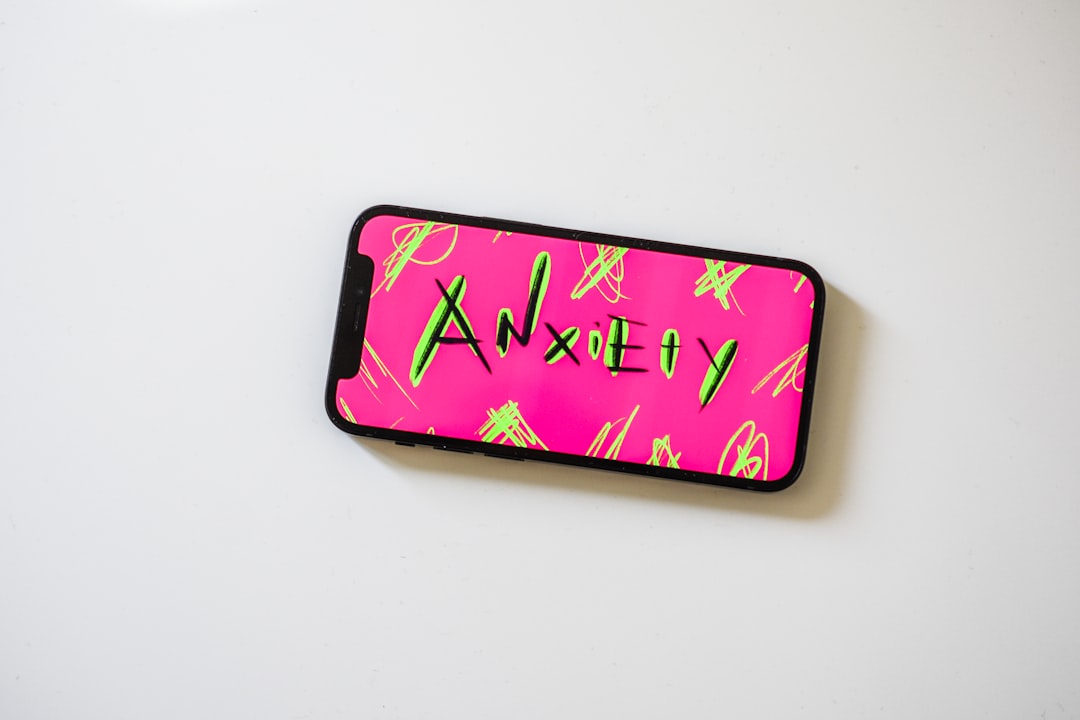
    Photo by Fabian Møller on Unsplash

  • Introduction to Breathing Techniques for Anxiety

    Introduction to Breathing Techniques for Anxiety

    Feeling anxious can sometimes feel like being caught in a storm without an umbrella. One minute you’re fine, and the next, a whirlwind of thoughts and emotions takes over. But what if I told you that one of the most effective tools to weather this storm is right under your nose? That’s right—breathing. In today’s post, we’re diving into how simple breathing techniques can be your ally in managing anxiety.

    Why Breathing Matters

    At first glance, breathing might seem too simple to be a solution for anxiety. After all, it’s something we do automatically, right? But here’s the catch: consciously controlling your breath taps into your body’s natural calming mechanisms. This isn’t just wellness jargon; it’s backed by science. When you take slow, deep breaths, you activate the parasympathetic nervous system, which helps lower heart rate and blood pressure, creating a state of calm.

    A study published in the Journal of Psychiatric Research found that participants who practiced controlled breathing showed reduced levels of anxiety and improved emotional regulation. So, when you’re feeling overwhelmed, remember that your breath is a powerful tool to help you regain control.

    Breathing Techniques to Try

    The 4-7-8 Technique

    Popularized by Dr. Andrew Weil, the 4-7-8 breathing technique is simple yet effective. Here’s how you can try it:

    1. Find a comfortable sitting position and close your eyes.
    2. Inhale quietly through your nose for a count of four.
    3. Hold your breath for a count of seven.
    4. Exhale completely through your mouth, making a whoosh sound, for a count of eight.
    5. Repeat this cycle four times.

    This exercise can help you fall asleep faster and reduce anxiety by promoting a sense of relaxation.

    Box Breathing

    Also known as square breathing, this technique is used by Navy SEALs to stay calm and focused under pressure. Here’s how to practice it:

    1. Inhale through your nose for a count of four.
    2. Hold your breath for a count of four.
    3. Exhale through your mouth for a count of four.
    4. Hold your breath again for a count of four.
    5. Repeat the cycle for several minutes.

    The rhythmic nature of box breathing can help ground your thoughts and bring you back to the present moment.

    When to Use These Techniques

    You might wonder, “When’s the best time to use these techniques?” The answer is whenever you feel anxiety creeping in. Some people find them helpful during a stressful meeting, while others use them as part of their morning routine to start the day grounded.

    Sarah, a busy marketing executive, shares her experience: “I used to feel overwhelmed during tight deadlines. But now, I take a few minutes to practice 4-7-8 breathing, and it helps me reset my focus and approach tasks with a clearer mind.”

    Making Breathing a Habit

    Like any new habit, integrating breathing techniques into your daily routine takes practice. Start small by dedicating just five minutes each day. Over time, you’ll find it becomes second nature, and you’ll have a powerful tool to manage anxiety at your disposal.

    Consider setting reminders on your phone or using a mindfulness app to guide you through breathing exercises. With consistent practice, you’ll notice a difference in how you handle stress and anxiety.

    Remember, your breath is always with you. Next time anxiety tries to take over, pause and breathe. It’s a simple yet profound way to reclaim your calm.

    Looking for more ways to manage anxiety and improve your well-being? Explore our full range of resources for practical, science-backed tips.

    Photo by Tim Goedhart on Unsplash

  • Developing a Personalized Nighttime Routine for Anxiety Relief

    Developing a Personalized Nighttime Routine for Anxiety Relief

    Imagine this: It’s been a long day, and all you want is a good night’s sleep. But as soon as you hit the pillow, your mind starts racing with anxious thoughts. Sound familiar? You’re not alone. Many people find that anxiety peaks at night, making it difficult to relax and drift off to sleep. But there’s good news: developing a personalized nighttime routine can help alleviate anxiety and promote better sleep.

    Why Nighttime Anxiety Happens

    Understanding why anxiety tends to flare up at night is the first step in managing it. During the day, distractions and activities keep our minds busy. But once we settle down to sleep, those distractions fade, and unresolved worries can surface. Additionally, changes in brain chemistry and the quiet of night can amplify anxious feelings.

    Creating Your Personalized Nighttime Routine

    A nighttime routine tailored to your needs can provide a sense of control, signaling to your body and mind that it’s time to wind down. Here’s how you can create one:

    Step 1 — Identify Your Triggers

    Start by identifying what triggers your anxiety at night. Is it thoughts of unfinished tasks? Worries about the future? Once you pinpoint these triggers, you can address them directly in your routine.

    Step 2 — Set a Consistent Bedtime

    Consistency is key. Try to go to bed and wake up at the same time every day, even on weekends. This helps regulate your body’s internal clock, making it easier to fall asleep.

    Step 3 — Design a Pre-Bed Relaxation Ritual

    About an hour before bed, begin a relaxation ritual. This could include activities like:

    • Reading: Choose a calming book—nothing too thrilling or suspenseful.

    • Taking a Warm Bath: A warm bath can soothe tense muscles and calm your mind.

    • Practicing Gentle Yoga or Stretching: Focus on slow, mindful movements to release tension.

    Step 4 — Incorporate Mindfulness Techniques

    Mindfulness practices can be incredibly effective in reducing anxiety. Consider these techniques:

    • Deep Breathing: Focus on slow, deep breaths, inhaling through the nose and exhaling through the mouth.

    • Guided Meditation: Use apps or online resources to guide you through a calming meditation.

    • Progressive Muscle Relaxation: Tense and then slowly release each muscle group, starting from your toes and working up to your head.

    Step 5 — Create a Sleep-Friendly Environment

    Your bedroom should be a sanctuary for sleep. Consider these tips:

    • Dim the Lights: Lowering the lights helps signal to your brain that it’s time to wind down.

    • Cool Down: A slightly cooler room temperature can promote better sleep.

    • Limit Screen Time: Avoid screens at least 30 minutes before bed, as blue light can disrupt your sleep cycle.

    Real-Life Example — Sarah’s Nighttime Routine

    Let’s look at Sarah, a graphic designer who struggled with nighttime anxiety. After identifying that her anxiety stemmed from work-related stress, she developed a routine that includes a 30-minute yoga session, followed by journaling about her day. She then reads a chapter from a favorite novel before bed. Within weeks, Sarah found herself falling asleep faster and experiencing fewer anxious thoughts.

    Monitoring Your Progress

    As you implement your routine, keep track of what works and what doesn’t. Consider keeping a sleep journal to note how you feel each morning and any changes in your anxiety levels. Adjust your routine as needed to better suit your evolving needs.

    Final Thoughts

    Developing a personalized nighttime routine for anxiety relief is a powerful tool for improving both your mental health and sleep quality. By understanding your triggers, setting a consistent bedtime, and incorporating relaxation and mindfulness techniques, you can create a sanctuary that promotes peace and restfulness. Remember, it’s about finding what works best for you and making adjustments along the way. Sweet dreams!

    Photo by Marcos Paulo Prado on Unsplash

  • The Impact of Diet on Sleep Quality and Anxiety

    The Impact of Diet on Sleep Quality and Anxiety

    Have you ever wondered why a late-night snack can sometimes leave you tossing and turning, while other times it seems to lull you into a peaceful slumber? The connection between what we eat and how well we sleep, especially for those grappling with anxiety, is more significant than you might think. Let’s dive into how diet influences sleep quality and anxiety, offering practical tips to help you wind down more effectively.

    Understanding the Diet-Sleep-Anxiety Connection

    Our diets play a crucial role in how our bodies function, including our sleep patterns and anxiety levels. Foods can affect neurotransmitter activity, hormone levels, and even gut health, which all contribute to how restful our sleep is and how we manage anxiety.

    Neurotransmitters and Mood

    Serotonin, often dubbed the ‘feel-good’ neurotransmitter, is pivotal in regulating mood and sleep. Consuming foods rich in tryptophan, a precursor to serotonin, can enhance your mood and improve sleep quality. Think turkey, nuts, seeds, and tofu. These might be your best allies in battling night-time restlessness.

    Hormone Balance

    Melatonin, the hormone responsible for sleep regulation, is directly influenced by diet. Foods rich in melatonin, such as cherries, grapes, and tomatoes, can help maintain your body’s sleep-wake cycle. Meanwhile, avoiding caffeine and sugar before bed can prevent disruptions in melatonin production, ensuring a more natural sleep onset.

    Foods That Improve Sleep and Reduce Anxiety

    The Power of Magnesium

    Magnesium is a mineral known for its relaxation properties. It helps regulate neurotransmitters that send signals throughout the nervous system. Adding magnesium-rich foods like spinach, almonds, and avocados to your diet can significantly enhance relaxation before bed.

    Omega-3 Fatty Acids

    Found in fatty fish like salmon and mackerel, omega-3 fatty acids are known for their anti-inflammatory properties and their ability to improve brain function. They play a role in reducing anxiety and improving sleep by supporting serotonin production. Consider adding a few servings of fish to your weekly meal plan.

    Herbal Allies

    Herbs like chamomile and valerian root have long been used to aid sleep and reduce anxiety. Chamomile tea, in particular, has mild sedative effects that can help ease the transition to sleep. Sipping a warm cup an hour before bedtime can be a calming ritual.

    Foods and Drinks to Avoid Before Bed

    Just as some foods can promote sleep, others can hinder it. Here are some common culprits:

    • Caffeine: Found in coffee, tea, and chocolate, caffeine can stay in your system for up to six hours, disrupting sleep and exacerbating anxiety.

    • Alcohol: While it might make you feel drowsy, alcohol disrupts the sleep cycle and can lead to poor-quality sleep.

    • Sugar: High sugar intake can lead to a spike in energy levels, making it harder to fall asleep.

    Real-Life Scenario — A Case Study

    Meet Sarah, a 35-year-old marketing executive, who struggled with anxiety-induced insomnia. By incorporating more magnesium and tryptophan-rich foods and reducing her caffeine intake, Sarah noticed a marked improvement in her sleep quality and anxiety levels. Within weeks, her sleep was more restful, and her anxiety was more manageable, illustrating the profound impact diet can have.

    Practical Steps to Improve Your Sleep Through Diet

    Ready to make a change? Here are some actionable steps:

    1. Plan Your Meals: Incorporate foods rich in melatonin and magnesium into your daily diet.

    2. Establish a Nighttime Routine: Enjoy a cup of herbal tea and a small snack that promotes sleep, like a handful of almonds or a banana.

    3. Monitor Your Caffeine Intake: Aim to have your last caffeinated beverage at least six hours before bed.

    4. Experiment with Omega-3 Supplements: If you’re not a fan of fish, omega-3 supplements can be a good alternative to explore.

    By understanding the intricate link between diet, sleep, and anxiety, you can take steps to improve your overall well-being. Remember, small changes can lead to big improvements over time, and your journey to restful sleep and reduced anxiety starts with the next meal you choose.

    Photo by engin akyurt on Unsplash

  • How Technology Affects Sleep and Anxiety Levels

    How Technology Affects Sleep and Anxiety Levels

    In our hyper-connected world, technology is both a blessing and a curse. It enables us to stay connected, informed, and productive, but it also plays a significant role in how well we sleep and how anxious we feel. If you’ve ever found yourself scrolling through your phone late at night, feeling more awake and anxious by the minute, you’re not alone. Let’s explore how technology impacts our sleep and anxiety levels and what you can do about it.

    The Digital Glow — How Screens Affect Sleep

    First, let’s talk about screens. The blue light emitted by phones, tablets, and computers can interfere with our natural sleep cycles. This isn’t just a theory—it’s backed by science. Blue light exposure can suppress the secretion of melatonin, the hormone that regulates sleep, making it difficult to fall and stay asleep.

    Consider Sarah, a busy professional who struggles with sleep. She often checks emails and scrolls through social media before bed, thinking it helps her unwind. Instead, she finds herself tossing and turning, unable to fall asleep until the early hours of the morning. This is a common scenario, illustrating how evening screen time can lead to poor sleep quality.

    Anxiety Amplifiers — The Role of Technology

    While screens can disrupt sleep, technology also fuels anxiety in various ways. The constant notifications, the pressure to respond instantly, and the endless stream of information can be overwhelming. This constant connectivity can make it challenging to switch off and relax, essential components for managing anxiety.

    Take John, a university student who can’t seem to escape the grip of his phone. The never-ending notifications from messaging apps and social media keep him on edge, and his anxiety peaks at night when he’s supposed to be winding down. This is a relatable issue for many, where technology seems to heighten anxiety rather than alleviate it.

    Breaking the Cycle — Practical Tips

    So, how can we mitigate these effects? Here are some actionable steps you can take to improve your sleep and manage anxiety in the digital age:

    1. Create a Tech-Free Zone: Designate your bedroom as a technology-free zone. Keep phones, tablets, and laptops out of the bedroom to create an environment conducive to sleep.

    2. Set Boundaries: Establish a digital curfew by turning off screens at least an hour before bed. Use this time to wind down with a book, meditation, or a warm bath.

    3. Use Night Mode: Many devices have a ‘night mode’ feature that reduces blue light exposure. Activate this feature in the evening to minimize the impact on your sleep.

    4. Mindful Consumption: Be selective about the content you consume before bed. Avoid stressful or stimulating content that might increase anxiety levels.

    5. Practice Digital Mindfulness: Incorporate mindful technology use into your routine. This means being present in your interactions and setting intentional times for checking devices.

    Real-Life Impact — A Case in Point

    Let’s look at Lisa, who decided to change her tech habits. She started by implementing a digital curfew and made her bedroom a sanctuary from screens. Within weeks, she noticed a significant improvement in her sleep quality and a reduction in her nighttime anxiety. This simple shift in her routine was all it took to transform her sleep and reduce her anxiety levels.

    Conclusion — Take Control of Your Digital Life

    Technology isn’t going anywhere, and neither are its effects on our sleep and anxiety. However, by understanding and managing our interaction with technology, we can reclaim our sleep and peace of mind. It’s all about balance and mindful usage. Make these small changes, and you’ll likely see a difference. Remember, your digital habits today affect your sleep and mental well-being tomorrow.

    For more insights on managing anxiety and improving sleep, explore our Calm Health Blog for science-backed tips and strategies.

    Photo by Tonik on Unsplash

  • The Role of Sleep Hygiene in Managing Anxiety

    The Role of Sleep Hygiene in Managing Anxiety

    Have you ever noticed how anxiety seems to creep in just as you’re trying to fall asleep? You’re not alone. Many people find that their worries become more pronounced at night, just when they need rest the most. This is where sleep hygiene comes into play. By understanding and implementing good sleep hygiene practices, you can manage anxiety more effectively and improve your overall well-being.

    What is Sleep Hygiene?

    Sleep hygiene refers to a series of practices and habits that are conducive to sleeping well on a regular basis. Think of it as a toolkit for a good night’s sleep. These practices help set the stage for restful sleep, which is crucial for managing anxiety. Let’s dig deeper into why sleep hygiene matters and how it influences anxiety levels.

    How Sleep Hygiene Affects Anxiety

    When we talk about sleep hygiene, we’re talking about creating an environment and routine that promotes uninterrupted, quality sleep. Poor sleep can heighten anxiety, creating a vicious cycle. According to The Sleep Foundation, lack of sleep impacts mood and emotional regulation, making it harder to manage stress and anxiety. Conversely, good sleep can act as a buffer against these negative feelings.

    The Science Behind Sleep and Anxiety

    Research shows that during sleep, the brain processes emotions and memories. Quality sleep helps in regulating emotions effectively, reducing the intensity of anxiety. Studies, such as those published in the Nature Journal, have demonstrated that individuals with anxiety disorders often experience disrupted sleep patterns, which exacerbate their symptoms.

    Practical Sleep Hygiene Tips to Reduce Anxiety

    Improving sleep hygiene isn’t about making dramatic changes overnight. It’s about small, consistent adjustments that add up. Here are some actionable tips:

    Create a Consistent Sleep Schedule

    Going to bed and waking up at the same time every day helps regulate your body’s internal clock. This consistency can make falling asleep and waking up easier, reducing the stress associated with erratic sleep patterns.

    Design a Relaxing Bedtime Routine

    Develop a pre-sleep ritual that you follow every night. This could include activities like reading a book, taking a warm bath, or practicing meditation. The key is to wind down and signal to your brain that it’s time to relax.

    Optimize Your Sleep Environment

    Ensure your bedroom is conducive to sleep. This means a comfortable mattress and pillows, blackout curtains, and a cool, quiet environment. Consider using a white noise machine or earplugs if noise is a problem.

    Limit Screen Time Before Bed

    The blue light emitted by phones, tablets, and computers can interfere with your body’s natural sleep-wake cycle. Try to avoid screens at least an hour before bed. Instead, engage in calming activities that prepare your mind for sleep.

    Watch Your Diet and Caffeine Intake

    Avoid large meals, caffeine, and alcohol before bed. These can disrupt sleep, making it harder to fall and stay asleep. Opt for light snacks if you’re hungry, and consider herbal tea to soothe and relax.

    Case Study — Implementing Sleep Hygiene for Anxiety Management

    Let’s look at a real-world example. Jane, a busy professional, struggled with nighttime anxiety and poor sleep. After consulting with a sleep specialist, she began implementing better sleep hygiene practices. She set a consistent bedtime, reduced her caffeine intake, and created a calming bedtime routine with meditation and reading. Within weeks, Jane noticed a significant reduction in her anxiety levels and an improvement in her sleep quality.

    Conclusion

    Managing anxiety through sleep hygiene is not about perfection but about consistency and creating a supportive environment for rest. By making small, intentional changes to your sleep habits, you can break the cycle of anxiety and poor sleep, leading to a healthier, more peaceful life. Remember, the path to better sleep and reduced anxiety is a journey, and every positive step counts.

    Photo by Priscilla Du Preez 🇨🇦 on Unsplash

  • Mindfulness Techniques to Calm Nighttime Anxiety

    Mindfulness Techniques to Calm Nighttime Anxiety

    When the day winds down, and the world around you becomes quiet, your mind might decide it’s the perfect time to start racing. It’s frustrating, isn’t it? You’re ready for rest, but anxious thoughts are stealing your peace. You’re not alone in this experience. Many people find their anxiety intensifying at night, making it difficult to get the sleep they desperately need. Fortunately, mindfulness techniques can help you calm those nighttime jitters and guide you towards restful slumber.

    Understanding Nighttime Anxiety

    Before diving into mindfulness exercises, let’s explore why anxiety might seem to get worse at night. During the day, distractions are plentiful. Work, family, and daily tasks demand your attention, often leaving little room for anxious thoughts to take hold. But at night, when the world slows down, your mind may begin to process all the worries and fears you’ve pushed aside. This can make anxiety feel more pronounced, leading to a cycle of stress and sleeplessness.

    Mindfulness — Your Ally Against Nighttime Anxiety

    Mindfulness involves staying present in the moment and acknowledging your thoughts and feelings without judgment. This practice can be particularly effective in curbing anxiety at night. By shifting your focus to the present, you can help quiet the anxious thoughts that keep you awake. Let’s explore some mindfulness techniques that can ease your mind and promote better sleep.

    1. Body Scan Meditation

    Body scan meditation is a simple yet effective way to bring awareness to your physical body, helping you relax and release tension. Start by lying down comfortably in bed. Close your eyes and take a few deep breaths. Begin by focusing on your toes, noticing any sensations without trying to change them. Gradually move your attention up through your body, paying attention to each area in turn. The goal is not to judge or alter these sensations but to acknowledge them, allowing your body to release tension naturally. This practice can help distract your mind from anxious thoughts and ease you into sleep.

    2. Mindful Breathing

    Breathing exercises are a cornerstone of mindfulness practice and can be particularly useful for calming anxiety. Try the 4-7-8 technique: breathe in through your nose for a count of four, hold your breath for a count of seven, and exhale slowly through your mouth for a count of eight. This technique not only helps calm the nervous system but also shifts your focus away from anxious thoughts to the rhythm of your breath. Practice this for a few minutes each night to help lower stress levels and prepare your body for sleep.

    3. Guided Imagery

    Guided imagery involves visualizing a peaceful scene or journey, allowing your mind to escape from the cycle of anxiety. As you lie in bed, imagine a place where you feel completely relaxed and safe. It could be a beach, forest, or any other location that brings you peace. Picture yourself there, engaging all your senses—what do you see, hear, smell, and feel? This exercise can help redirect your thoughts away from anxiety, fostering a sense of tranquility that encourages sleep.

    4. Mindful Journaling

    Writing can be a powerful tool for managing anxiety. Spend a few minutes before bed jotting down your thoughts and worries. Don’t censor yourself or strive for perfection; just let your thoughts flow onto the page. Once finished, close the journal and set it aside, symbolically putting your worries to rest for the night. This practice can help externalize your anxious thoughts, reducing their power over you as you prepare to sleep.

    5. Loving-Kindness Meditation

    This type of meditation involves sending kind and compassionate thoughts to yourself and others. Sit or lie comfortably, close your eyes, and take a few deep breaths. Silently repeat phrases like, “May I be safe, may I be happy, may I be healthy, may I live with ease.” Then, extend these wishes to others—friends, family, even people you find challenging. This practice can create a sense of peace and connection, easing feelings of anxiety and promoting emotional well-being.

    Integrating Mindfulness into Your Routine

    Incorporating these mindfulness techniques into your nightly routine can help you manage nighttime anxiety. Consistency is key—try to practice these exercises regularly to see the most benefit. Remember, mindfulness is a skill that takes time to develop, so be patient with yourself as you learn to quiet your mind and embrace peaceful sleep.

    By focusing on the present moment and employing these mindfulness strategies, you can transform your nights from anxious to restful, waking up refreshed and ready to face the day.

    Photo by Sydney Latham on Unsplash

  • Creating a Sleep-Friendly Environment to Ease Anxiety

    Creating a Sleep-Friendly Environment to Ease Anxiety

    Creating a sleep-friendly environment is more than just a matter of comfort—it’s a strategic approach to easing anxiety and fostering better rest. Imagine your bedroom as a haven, a sanctuary that’s perfectly tuned to support relaxation and sleep. Sounds dreamy, right? Let’s dive into how you can transform your sleep space to do just that.

    Understanding the Connection Between Environment and Anxiety

    Before we jump into the practical tips, it’s important to understand why your environment matters so much. Anxiety often ramps up at night due to a lack of distractions and the mind’s tendency to overthink in the quiet. An environment that supports relaxation can help counteract this by soothing your senses and signaling to your brain that it’s time to wind down.

    Declutter for Calm

    A cluttered space can lead to a cluttered mind. When your room is filled with items unrelated to sleep, it can become mentally overwhelming and distract from relaxation. Consider tidying up your sleep area by removing unnecessary items. Keep surfaces clear and adopt a ‘less is more’ approach. This not only makes your room visually calm but also makes it easier for your mind to settle.

    The Power of Proper Lighting

    Lighting plays a crucial role in setting the mood for sleep. Bright lights can trick your brain into thinking it’s still daytime, delaying the production of melatonin, the hormone that promotes sleep. Opt for dim, warm lighting in the evening. Consider using lamps with adjustable brightness or installing dimmer switches. Smart bulbs that can mimic sunset colors are also a fantastic choice to ease you into sleep mode.

    Choosing the Right Colors

    The colors surrounding you can significantly impact your mood. Soft, muted tones like blues, greens, and earthy shades are known to promote tranquility and relaxation. These colors can help reduce anxiety levels and cue your brain that it’s time to relax. If repainting isn’t an option, incorporate these colors through bedding, curtains, or artwork.

    Soundscapes for Serenity

    Noise can be a major disruptor of sleep, especially for those experiencing anxiety. Consider using a white noise machine or a fan to mask disruptive sounds. Alternatively, nature sounds or soft music can create a calming soundscape that encourages relaxation. Some people find that listening to guided meditations or sleep podcasts helps distract from anxious thoughts.

    Optimizing Temperature and Air Quality

    Temperature and air quality can have a huge impact on your ability to fall and stay asleep. The ideal sleep temperature generally falls between 60-67°F (15-19°C). A room that’s too hot or cold can worsen anxiety by making sleep uncomfortable. Use fans, air conditioning, or heaters to maintain a consistent, comfortable temperature. Additionally, ensure good air circulation and consider using an air purifier if necessary.

    Making Your Bed a Cozy Retreat

    Your bed should be the centerpiece of your sleep sanctuary. Invest in a quality mattress and pillows that support your body well. Choose bedding that’s soft, breathable, and suitable for the season. A weighted blanket can also be beneficial. Many people find that the gentle pressure helps reduce anxiety and improve sleep quality.

    Incorporating Calming Rituals

    Beyond the physical space, incorporating calming rituals can help prepare your mind for rest. This could be as simple as a cup of herbal tea, a few minutes of journaling, or a short meditation session. The key is consistency—develop a routine that your body recognizes as a signal to start winding down.

    Personalizing Your Space

    Lastly, personalize your space to make it truly yours. Surround yourself with items that bring you joy and comfort, whether it’s a favorite book, a plant, or a cherished photo. However, remember to keep it simple to avoid clutter. Your bedroom should reflect your personal taste while maintaining its primary function as a place for sleep and relaxation.

    By taking these steps to create a sleep-friendly environment, you’re setting the stage for reduced anxiety and better rest. Remember, it’s about creating a space that suits your needs and preferences, turning your bedroom into a personal retreat where you can recharge and rejuvenate each night.

    Photo by Cosiela Borta on Unsplash

  • Understanding the Link Between Sleep and Anxiety

    Understanding the Link Between Sleep and Anxiety

    Have you ever found yourself lying awake at night, replaying the day’s events or worrying about tomorrow? You’re not alone. Many people experience heightened anxiety at night, which can disrupt sleep and create a challenging cycle of stress and fatigue.

    The Symbiotic Relationship Between Sleep and Anxiety

    Understanding the connection between sleep and anxiety can empower you to break this cycle. Research shows that poor sleep can increase anxiety levels, while anxiety can make it harder to fall asleep. It’s a two-way street where each condition exacerbates the other.

    How Sleep Influences Anxiety

    One way sleep affects anxiety is through the brain’s processing of emotions. During restful sleep, particularly during the REM stage, the brain processes emotional experiences, helping you manage stress and anxiety. When sleep is disrupted, this process is impaired, leading to heightened anxiety.

    For example, studies have found that people who don’t get enough REM sleep tend to have higher levels of anxiety. It’s like a vicious cycle: the less you sleep, the more anxious you feel, and the more anxious you are, the harder it is to sleep.

    How Anxiety Disrupts Sleep

    On the flip side, anxiety often leads to insomnia and other sleep disturbances. When you’re anxious, your body is in a state of heightened alertness, which is not conducive to sleep. The mind races with thoughts, and the body’s natural stress response, which includes increased heart rate and adrenaline, makes it difficult to relax.

    Consider the scenario of lying in bed, staring at the ceiling, and feeling your heart race as you worry about an upcoming deadline or a difficult conversation. This is your body’s fight-or-flight response kicking in, and it can keep you awake for hours.

    Practical Strategies for Better Sleep and Reduced Anxiety

    Breaking the cycle of anxiety and sleep disruption requires a proactive approach. Here are some practical strategies that might help:

    Establish a Sleep Routine

    Your body thrives on routine. Going to bed and waking up at the same time every day can regulate your body’s internal clock, making it easier to fall asleep and wake up naturally. Try winding down with a relaxing activity like reading or meditating before bed.

    Practice Mindfulness Meditation

    Mindfulness meditation has been shown to reduce anxiety and improve sleep quality. By focusing your mind on the present moment, you can reduce racing thoughts and promote relaxation. A simple practice involves focusing on your breath and gently bringing your mind back whenever it wanders.

    Limit Caffeine and Alcohol

    Caffeine and alcohol can interfere with sleep. Caffeine, a stimulant, can keep you awake if consumed too late in the day, while alcohol, though initially sedative, can disrupt your sleep cycle later. Consider limiting these substances, especially in the afternoon and evening.

    Exercise Regularly

    Regular physical activity can significantly reduce anxiety and improve sleep quality. Aim for at least 30 minutes of moderate exercise most days of the week. However, try to avoid vigorous exercise close to bedtime, as it might keep you awake.

    Create a Restful Environment

    Your bedroom should be a sanctuary for sleep. Keep it cool, dark, and quiet. Consider using blackout curtains, earplugs, or a white noise machine to block out disturbances. Also, reserve your bed for sleep and relaxation, not work or screens.

    Personal Stories and Insights

    Let’s look at a real-life scenario. Jane, a busy professional, found herself caught in a cycle of anxiety and sleep deprivation. She started journaling her thoughts before bed, which helped clear her mind. By creating a consistent bedtime routine and practicing mindfulness, Jane was able to improve both her sleep and anxiety levels significantly.

    Her story highlights the importance of finding what works for you. Whether it’s a warm bath before bed or a calming playlist, incorporating personalized strategies can make a world of difference.

    Conclusion

    Understanding and addressing the link between sleep and anxiety is crucial for your well-being. By implementing practical strategies, you can alleviate anxiety and improve your sleep, setting you on a path to better health and a more balanced life. Remember, it’s about finding a rhythm that suits your lifestyle and being consistent with your efforts.

    For more insights and tips on managing anxiety and improving sleep, explore other articles on Calm Health Blog. Your journey to better mental and physical health is just a click away, and we’re here to support you every step of the way.

    Photo by Fernando @cferdophotography on Unsplash

  • Advanced Strategies for Long-Term Anxiety Management

    Advanced Strategies for Long-Term Anxiety Management

    Anxiety can often feel like a relentless companion, one that shadows your every move and whispers unease into moments of calm. While many have explored the foundational aspects of anxiety, it’s crucial to explore advanced strategies for managing it over the long term. These strategies are designed not just to provide relief but to foster a sustained sense of well-being.

    Reframing Cognitive Patterns

    A significant aspect of anxiety management involves reframing how we think about and react to stressors. Cognitive Behavioral Therapy (CBT) offers a robust framework for this. In practice, CBT encourages individuals to identify and challenge distorted thinking patterns. For instance, if you find yourself catastrophizing—assuming the worst possible outcome in every situation—CBT techniques can help you question these assumptions and replace them with more balanced perspectives.

    Scenario — Overcoming Catastrophic Thinking

    Consider Jane, a marketing professional who often feels overwhelmed by deadlines. By applying CBT, she learned to break down her workload into manageable tasks and cultivate a mindset that embraced challenges rather than feared them. This shift not only reduced her anxiety but also boosted her productivity.

    Incorporating Mindfulness and Acceptance

    Mindfulness and acceptance-based strategies have gained traction as effective tools for managing anxiety. Mindfulness involves staying present and fully engaging with the current moment without judgment. Techniques such as mindful breathing or body scans can help anchor you to the present and diminish the grip of anxious thoughts.

    Real-Life Application — Mindful Moments

    David, a busy executive, incorporated short mindful pauses into his day. By taking just five minutes to focus on his breath before meetings, he found that he approached his work with greater clarity and less tension.

    Building Resilient Routines

    Establishing routines that promote mental health is another key strategy. Regular physical activity, sufficient sleep, and a balanced diet are foundational elements that support emotional resilience. Consider creating a daily schedule that includes time for exercise, meal planning, and relaxation.

    Example — The Power of Routine

    Susan, a teacher, found that starting her day with a morning jog followed by a nutritious breakfast set a positive tone for the rest of her day. Her routine not only enhanced her physical health but also provided a stable framework that reduced her anxiety levels.

    Leveraging Technology for Support

    In our digital age, technology can be a valuable ally in anxiety management. Various apps offer guided meditations, mood tracking, and virtual therapy sessions. These tools can provide structure and support, especially for those who find it challenging to maintain consistency on their own.

    Case Study — Digital Support Systems

    Mark, a college student, used a meditation app to help manage exam-related stress. The app’s reminders to pause and breathe provided him with regular opportunities to reset his mental state, significantly reducing his anxiety during peak periods.

    Fostering Social Connections

    Social support is a critical component of long-term anxiety management. Building and maintaining meaningful relationships can buffer against stress and provide a sense of belonging. Engaging in community activities, whether through volunteer work or interest-based groups, can enhance your support network.

    Practical Insight — Community Engagement

    After joining a local book club, Lisa not only expanded her social circle but also found a supportive community where she could share her experiences and learn from others. This engagement played a significant role in alleviating her anxiety.

    Conclusion — A Holistic Approach

    Long-term anxiety management requires a multifaceted approach. By combining cognitive reframing, mindfulness practices, resilient routines, technological tools, and social connections, individuals can cultivate a robust defense against anxiety. Each strategy acts as a piece of a larger puzzle, contributing to a balanced and fulfilling life.

    Remember, while these strategies are effective, it’s essential to tailor them to your unique needs and circumstances. Consider consulting with a mental health professional to create a personalized plan that supports your journey towards enduring well-being.

    Photo by Nik on Unsplash