Author: Calm Health Team

  • Herbal Innovations — The Next Wave in Anxiety Care

    Herbal Innovations — The Next Wave in Anxiety Care

    In the realm of anxiety care, the landscape is evolving with new herbal innovations. These advancements are shaping the future of natural remedies, offering fresh hope to those seeking alternatives to traditional treatments. As interest in holistic approaches grows, understanding these innovations becomes crucial for anyone keen on integrating natural solutions into their anxiety management toolkit.

    Understanding Herbal Innovations in Anxiety Care

    Herbal innovations for anxiety relief focus on leveraging the therapeutic properties of plants. The recent surge in research and development has led to a deeper understanding of how certain herbs and their compounds can be optimized for anxiety management. Scientists and herbalists are working together to enhance efficacy, safety, and accessibility, allowing more people to benefit from these natural remedies.

    Advances in Herbal Extraction

    One significant area of innovation is in the extraction processes. Advanced techniques are being developed to isolate active compounds more efficiently, ensuring higher potency and consistency in herbal supplements. For example, supercritical CO2 extraction is gaining traction as it can produce pure extracts without the need for harmful solvents, preserving the integrity of the active ingredients.

    Microdosing and Personalization

    Microdosing is another trend that’s emerging within the field of herbal anxiety relief. This approach involves consuming very small doses of herbal compounds to observe subtle effects without overwhelming the body. It allows for personalized anxiety care, where individuals can tailor their intake to suit their unique physiological responses. This method is particularly beneficial for those who may be sensitive to larger doses of herbal supplements.

    Herbal Innovations — A Look at Key Players

    Several herbs are at the forefront of these innovations, each offering unique benefits for anxiety management. Understanding their specific roles can help individuals make informed choices about which remedies might suit their needs.

    Ashwagandha’s Evolving Role

    Ashwagandha, a staple in Ayurvedic medicine, is being studied extensively for its adaptogenic properties. Recent innovations involve enhancing its bioavailability, allowing the herb to be absorbed more efficiently by the body. This increases its effectiveness in reducing stress and anxiety levels.

    Rhodiola Rosea — The Emerging Adaptogen

    Rhodiola Rosea is gaining attention for its ability to combat fatigue and improve mood. Innovations here focus on standardizing its active compounds, such as rosavin and salidroside, to ensure each dose delivers consistent effects. These advancements make it a promising option for those battling anxiety-related fatigue.

    CBD — Beyond the Basics

    CBD continues to be a popular choice for those seeking anxiety relief. Recent innovations emphasize the development of full-spectrum products that utilize the entourage effect, where multiple cannabinoids work synergistically to enhance therapeutic outcomes. This shift is leading to more nuanced and effective formulations.

    The Future of Herbal Anxiety Relief

    As we look to the future, the field of herbal anxiety relief is poised for further innovation. Emerging trends suggest a move towards more personalized and integrated approaches, combining herbal remedies with lifestyle changes and technological advancements.

    Integrating Technology and Tradition

    Digital health tools are beginning to play a role in this evolution. Apps that track herbal supplement intake, monitor anxiety levels, and provide guidance based on personal data are becoming more sophisticated. These technologies allow individuals to track their progress and make data-driven decisions about their anxiety care routines.

    The Role of Sustainable Practices

    In addition to technological advancements, there’s a growing emphasis on sustainability. Ethical sourcing of herbs, environmentally friendly extraction processes, and eco-conscious packaging are becoming standard expectations. These practices not only benefit the planet but also ensure the long-term availability of high-quality herbal remedies.

    Herbal innovations in anxiety care signify a promising shift towards more effective and holistic solutions. As these trends continue to develop, they offer an exciting opportunity for individuals seeking natural ways to manage anxiety. Those interested in exploring these options should stay informed about the latest research and consult with healthcare professionals to tailor an approach that best suits their needs.

    Incorporating these herbal innovations into everyday life could be the key to unlocking a new era of anxiety relief, blending the best of nature with the latest scientific advancements.

    Photo by Shruti Mishra on Unsplash
  • Real Stories — How I Conquered Anxiety with Nature

    Real Stories — How I Conquered Anxiety with Nature

    Imagine finding peace in the rustle of leaves or the scent of lavender, knowing that nature has your back in moments of anxiety. For many, this isn’t just a dream—it’s a reality. here, we’ll journey through the experiences of individuals who have successfully harnessed the power of nature to conquer anxiety. These are real stories that offer hope and practical insights for anyone seeking a more natural path to calm.

    The Situation

    Emily, a 35-year-old marketing professional, found herself in a constant state of stress due to her demanding job. Late nights and high-pressure deadlines left her feeling overwhelmed and anxious. Despite trying meditation and exercise, she couldn’t shake the persistent feeling of unease. That’s when a friend suggested exploring herbal remedies and nature-based therapies. Intrigued but skeptical, Emily decided to give it a try.

    The Challenge

    For Emily, the main challenge was finding a solution that fit seamlessly into her busy lifestyle. Traditional therapies required more time and commitment than she could afford. Moreover, she was concerned about potential side effects of prescription medications. Emily needed a natural approach that would be effective, easy to implement, and free from adverse reactions.

    The Solution

    Emily began her journey with chamomile tea, known for its calming properties. She incorporated a cup into her evening routine, allowing the soothing warmth to ease her into relaxation. Additionally, she started using lavender essential oil, diffusing it in her bedroom to create a serene environment. These small changes gradually became a ritual that she looked forward to each day.

    Encouraged by the initial results, Emily explored further. She discovered a local herbalist who recommended a blend of passionflower and valerian root, renowned for their anxiety-relieving effects. Emily tried the blend in tincture form, taking it during particularly stressful days at work. Over time, she noticed a significant reduction in her anxiety levels and an improvement in her overall mood.

    The Results

    Within three months, Emily experienced a remarkable transformation. Her anxiety levels decreased by nearly 50%, and she no longer felt overwhelmed by her workload. She found herself more energetic and focused, which improved her productivity. Emily’s newfound calm also positively impacted her relationships, as she was more present and engaged with family and friends.

    Key Takeaways

    • Start small: Integrating a simple habit like drinking herbal tea can make a significant difference without overwhelming your schedule.
    • Explore and personalize: Not every remedy works for everyone. Experiment with different herbs and practices to find what suits you best.
    • Consistency is key: Regular use of natural remedies, rather than sporadic attempts, leads to more noticeable improvements.
    • Seek professional guidance: Consulting with an herbalist or naturopath can provide tailored advice and ensure safe usage.
    • Create a calming environment: Incorporate elements like essential oils or calming teas into your daily routine to enhance the benefits of natural remedies.

    What This Means for You

    Emily’s story shows that conquering anxiety doesn’t always require drastic measures or medication. By embracing what nature offers, you can find effective and personalized ways to manage stress and anxiety. Whether you’re sipping a calming tea or diffusing essential oils, remember that every small step towards a holistic approach can lead to a more peaceful, balanced life. Why not start today?

    Photo by Kaylah Matthews on Unsplash

  • Breathing and Botanicals — A Daily Ritual for Anxiety

    Breathing and Botanicals — A Daily Ritual for Anxiety

    In today’s fast-paced world, managing anxiety naturally can often feel like an overwhelming task. Many are seeking more holistic approaches, blending ancient wisdom with modern insights. Enter the concept of combining breathing and botanicals. This dynamic duo can form a structured, calming daily ritual that helps people manage anxiety with grace and simplicity.

    For those looking to seamlessly integrate these practices into their lives, the answer is straightforward: cultivate a routine where mindful breathing complements the calming effects of herbal remedies. This combination enhances the efficacy of both practices, creating a powerful synergy for anxiety relief.

    Setting Up Your Breathing and Botanicals Ritual

    Before diving into the steps, consider what you’ll need. Choose herbs known for their calming properties, such as chamomile or lavender. You’ll also need a quiet space where you can focus on your breathing without distractions. Ready? Let’s get started.

    1. Select Your Herbal Remedy: Begin by choosing an herb that works for you. Chamomile tea is a popular choice, known for its soothing effects. If you’re more inclined towards essential oils, lavender offers a calming aroma perfect for relaxation.
    2. Prepare Your Herbal Remedy: If you opt for tea, steep it as per the instructions. For essential oils, add a few drops to a diffuser or a warm bath. The key is to ensure the environment is filled with the calming essence of your chosen botanical.
    3. Create a Dedicated Space: Find a quiet corner of your home where you can relax undisturbed. Consider adding elements like a comfortable chair or a soft cushion to enhance your comfort.
    4. Practice Mindful Breathing: Sit comfortably and close your eyes. Begin by taking slow, deep breaths. Inhale through your nose for a count of four, hold for four, and exhale through your mouth for a count of four. This technique, often called box breathing, helps center your mind.
    5. Combine Breathing with Botanicals: As you breathe, focus on the aroma or taste of your herbal remedy. Let it ground you further into the present moment. The combination of sensory experiences amplifies the calming effect, anchoring you in tranquility.
    6. Reflect and Record: After your session, take a few moments to reflect on how you feel. Jot down any observations or emotions in a journal. This practice not only helps track progress but also deepens your awareness and understanding of what works best for you.

    Common Mistakes and How to Avoid Them

    While establishing a breathing and botanicals routine, it’s easy to fall into some common pitfalls. Here are a few to watch out for:

    • Overcomplicating the Routine: Simplicity is key. Start with basic breathing techniques and a single herbal remedy. Once comfortable, you can explore more complex practices.
    • Inconsistency: The power of this ritual lies in regular practice. Try to set aside the same time each day to build a habit.
    • Expecting Immediate Results: Like any wellness practice, the benefits of breathing and botanicals build over time. Patience and persistence are essential.

    What You Can Achieve with This Ritual

    By integrating breathing and botanicals into your daily routine, you’re not just managing anxiety more effectively. You’re also nurturing a holistic approach to well-being. Over time, this practice can enhance your emotional resilience, reduce stress levels, and improve your overall quality of life. Take a moment to appreciate the small victories along the way, and remember that each session brings you closer to a calmer, more centered self.

    Photo by Daniel Domes on Unsplash

  • Herbal Anxiety Remedies — From Curiosity to Calm

    Herbal Anxiety Remedies — From Curiosity to Calm

    Exploring herbal anxiety remedies brings a fascinating journey from skepticism to relief. These natural solutions, often met with doubt, have carved out a niche in the world of mental health. By examining scientific insights and sharing personal reflections, we can better understand their potential to offer genuine calm.

    Why Herbal Anxiety Remedies Matter

    The growing interest in herbal anxiety remedies isn’t just a fleeting trend. As modern life becomes increasingly stressful, people are searching for alternatives that align with a holistic lifestyle. Pharmaceuticals, while effective for many, often come with side effects that can deter long-term use. Herbal remedies offer a gentler approach, rooted in centuries of traditional use and now supported by emerging scientific research.

    The Science Behind Herbal Anxiety Remedies

    At the heart of herbal anxiety remedies lies their active compounds, which interact with our bodies in unique ways. Take valerian root, for instance. Known for its sedative properties, valerian influences gamma-aminobutyric acid (GABA) levels in the brain, promoting relaxation and reducing anxiety. Similarly, passionflower has been shown to increase GABA availability, helping to ease anxiety symptoms.

    Research continues to uncover how these herbs work. A study published in the Journal of Clinical Psychopharmacology found that kava extract significantly reduced anxiety levels without the sedative side effects associated with traditional medications. Understanding these mechanisms can transform skepticism into informed appreciation.

    Personal Stories — From Doubt to Relief

    Real-life experiences often provide the most compelling evidence. Consider Emily, a marketing executive juggling a hectic schedule and persistent anxiety. After initial skepticism, she decided to integrate lemon balm tea into her evening routine. Within weeks, Emily noticed a marked improvement in her sleep quality and a reduction in her anxiety levels.

    Stories like Emily’s highlight the personal nature of herbal remedies. What works for one person may not work for another, underscoring the importance of experimentation and patience. These narratives offer hope and guidance for others navigating similar challenges.

    Emerging Trends and Innovations

    The future of herbal anxiety remedies is ripe with potential. Innovations in extraction techniques and formulations are making these remedies more accessible and effective. For example, advanced encapsulation technologies are enhancing the bioavailability of herbal compounds, ensuring that more of the active ingredients are absorbed by the body.

    Moreover, the integration of AI and data analytics is helping researchers identify new herbal combinations that could offer enhanced benefits. These advancements promise a future where herbal remedies are not just alternatives, but primary options for anxiety relief.

    Counter-Argument — The Case for Caution

    While the benefits of herbal anxiety remedies are compelling, it’s important to acknowledge the limitations and potential risks. Critics argue that the lack of rigorous regulation and standardization can lead to variability in product quality. Moreover, some individuals may experience adverse reactions, particularly when combining herbs with prescription medications.

    However, these concerns can be mitigated through informed choices and guidance from healthcare professionals. As with any treatment, personalization and caution are key.

    Verdict — Embracing Herbal Remedies with Confidence

    The journey from curiosity to calm with herbal anxiety remedies is both personal and transformative. By embracing these natural solutions, individuals can find a path to anxiety relief that aligns with their values and lifestyle. As scientific understanding grows and innovations continue to emerge, herbal remedies are well-positioned to play a significant role in the future of mental health care.

    For those curious about herbal anxiety remedies, the call to action is simple: explore with an open mind, consult with professionals, and find what works for you. These steps could lead to a more balanced and peaceful life, where anxiety no longer holds sway.

    Photo by sour moha on Unsplash

  • Diaphragmatic Breathing vs Box Breathing for Anxiety Control

    Diaphragmatic Breathing vs Box Breathing for Anxiety Control

    Anxiety can feel like a constant companion, lurking in the background of daily life. For those seeking relief, diaphragmatic breathing and box breathing offer promising techniques. This comparison of diaphragmatic vs box breathing for anxiety will help you understand their benefits, guiding you to integrate these methods into your routine effectively. If you’re juggling a busy schedule but still want to find natural ways to manage stress, read on.

    Understanding Diaphragmatic Breathing

    Diaphragmatic breathing, also known as belly breathing, focuses on deep, intentional breaths that engage the diaphragm. This practice promotes relaxation by stimulating the vagus nerve, which is part of the parasympathetic nervous system responsible for calming the body. Incorporating diaphragmatic breathing into your day can reduce stress and improve overall well-being. It’s a technique often used by singers and athletes to maximize oxygen intake and enhance performance.

    Exploring Box Breathing

    Box breathing, sometimes referred to as square breathing, involves inhaling, holding, exhaling, and pausing in a rhythmic, square-like pattern. This method is favored by Navy SEALs and other high-stress professionals for its ability to enhance focus and reduce anxiety. Box breathing is accessible and can be done almost anywhere, making it a versatile tool for anyone seeking to regain control over their mental state.

    Diaphragmatic vs Box Breathing for Anxiety Across Key Dimensions

    Ease of Learning

    Diaphragmatic breathing is relatively simple to learn. It requires you to focus on expanding your belly as you inhale and contracting it as you exhale. With a bit of practice, most people can incorporate it into their routine. Box breathing, while slightly more structured, is easy to pick up once you get the hang of the timing.

    Versatility

    Both techniques are highly versatile, but box breathing has a slight edge due to its structured nature. It can be used discreetly in a variety of settings, from a busy office to a crowded subway. Diaphragmatic breathing, on the other hand, is best practiced in a relaxed setting where you can focus on deep, uninterrupted breaths.

    Impact on Physical Health

    Diaphragmatic breathing offers significant physical benefits. It can improve lung function, lower blood pressure, and reduce heart rate, making it an excellent choice for those with physical health concerns alongside anxiety. Box breathing also positively impacts physical health by promoting relaxation and reducing tension, but its effects are more pronounced in mental clarity and focus.

    Time Commitment

    Neither technique requires a significant time investment. A few minutes of diaphragmatic breathing can make a noticeable difference, while box breathing sessions typically last around five minutes. Both are designed to be easily integrated into daily life without overwhelming your schedule.

    Verdict — Which Technique Is Right for You?

    If you’re seeking a method that offers both physical and mental benefits, diaphragmatic breathing might be your go-to. It’s particularly beneficial for individuals with physical health concerns who want to enhance their overall well-being. On the other hand, if your focus is on mental clarity and you need a technique to use in high-pressure situations, box breathing could be the better choice. Its structured nature makes it ideal for those who thrive on routine and discipline.

    Incorporating either diaphragmatic breathing or box breathing into your life can significantly help manage anxiety. Each technique offers unique advantages, and your choice depends on your personal preferences and lifestyle. Whether you choose the calming belly breaths or the rhythmic pattern of box breathing, both approaches provide practical tools for anxiety control. Embrace the method that aligns best with your needs, and take a step towards a more tranquil life.

    Photo by Mockup Free on Unsplash

  • How to Use Adaptogenic Herbs for Managing Anxiety in 2026

    How to Use Adaptogenic Herbs for Managing Anxiety in 2026

    Stress and anxiety have become pervasive in our fast-paced world, leading many to seek natural remedies for relief. Enter adaptogenic herbs for anxiety management, a holistic approach that promises to stabilize your body’s stress response over time. As we explore this subject, you’ll discover practical ways to incorporate these herbs into your daily routine for a more balanced life.

    Adaptogenic herbs work by modulating the body’s stress responses, helping to maintain homeostasis even in the face of challenges. These time-tested botanicals, such as ashwagandha and rhodiola, offer a natural option for those seeking alternatives to pharmaceutical solutions.

    What You Need to Start Using Adaptogenic Herbs for Anxiety

    Before diving into the world of adaptogens, it’s essential to understand a few basics. Here’s what you’ll need to begin:

    • Research: Familiarize yourself with different adaptogenic herbs, their benefits, and any potential side effects.
    • Consultation: Speak with a healthcare professional to ensure there are no contraindications with your current medications.
    • Quality Sources: Purchase high-quality supplements from reputable brands to ensure efficacy and safety.

    Step-by-Step Guide to Incorporating Adaptogenic Herbs for Anxiety Management

    1. Identify Your Needs: Determine your specific symptoms of anxiety and what you hope to achieve with adaptogens. Whether it’s reducing stress, improving sleep, or enhancing focus, knowing your goals will guide your choices.
    2. Select the Right Herbs: Choose an adaptogen that aligns with your needs. For example, ashwagandha is known for its calming properties, while rhodiola can boost energy and focus. Start with one herb to monitor its effects.
    3. Create a Routine: Consistency is key. Incorporate your chosen adaptogen into a daily routine, whether through a capsule, tincture, or tea. Take it at the same time each day for the best results.
    4. Monitor Your Response: Keep a journal to track your experiences with the herb. Note any changes in anxiety levels, sleep patterns, or overall well-being. This feedback will help you adjust dosages or try different herbs if needed.
    5. Adjust as Necessary: Based on your observations, adjust the dosage or try a combination of adaptogens. Some individuals find that a blend of herbs works better for their unique biochemistry.

    Common Mistakes and Pitfalls

    While adaptogenic herbs offer promising benefits, there are common mistakes to avoid:

    • Inconsistency: Skipping doses or not maintaining a routine can lead to inconsistent results. Commit to a daily schedule to maximize benefits.
    • High Expectations: Adaptogens aren’t a magic bullet. They work subtly over time. Be patient and allow several weeks to notice significant changes.
    • Ignoring Professional Advice: Always consult with a healthcare provider, especially if you have underlying health conditions or are taking other medications.

    Embrace a Balanced Approach to Anxiety Management

    By integrating adaptogenic herbs into your lifestyle, you can take a proactive approach to managing anxiety. These herbs offer a natural path to balance and resilience, complementing other wellness practices like mindfulness and exercise. As you continue your journey, remember that adaptogenic herbs for anxiety management are most effective when used as part of a comprehensive wellness plan.

    Photo by Wahid Sadiq on Unsplash

  • Chamomile Tea vs Lavender Tea for Anxiety Relief — Which is Better?

    Chamomile Tea vs Lavender Tea for Anxiety Relief — Which is Better?

    When it comes to managing anxiety, many people seek natural remedies that fit seamlessly into their daily routines. Two popular options are chamomile tea and lavender tea, both known for their calming effects. This comparison of Chamomile Tea vs Lavender Tea for anxiety is particularly relevant for those looking to soothe their nerves without pharmaceuticals. Understanding the unique benefits of each can help you decide which one might be the best fit for your lifestyle in 2026.

    Understanding Chamomile Tea

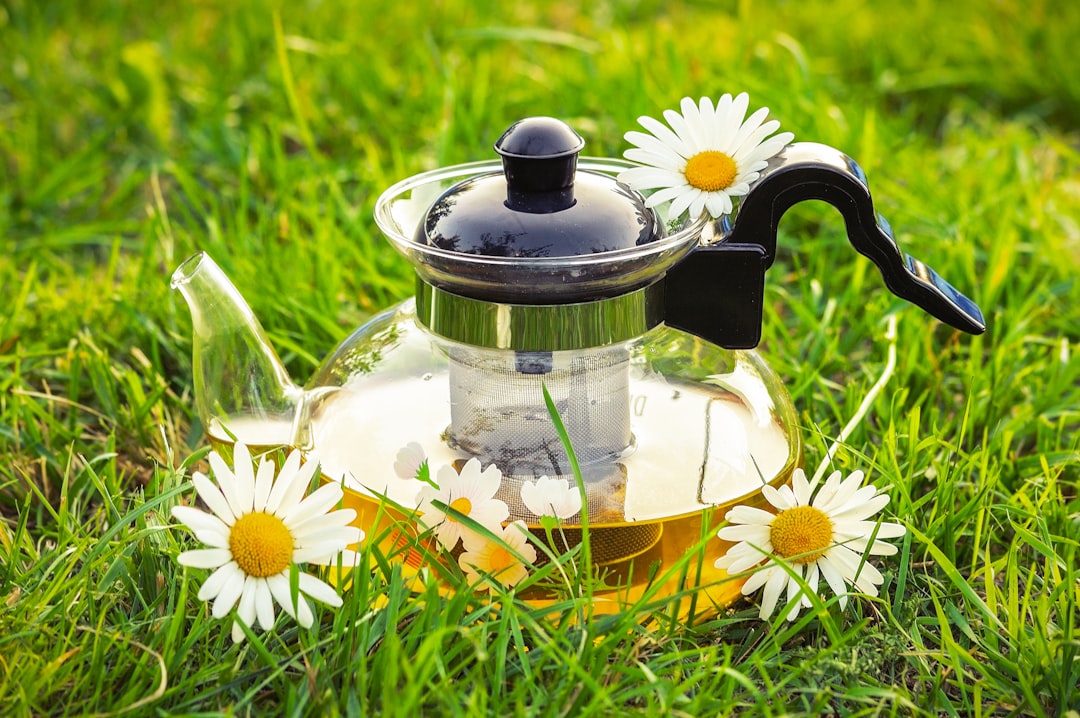
    Chamomile tea, made from the dried flowers of the chamomile plant, has been used for centuries as a natural remedy for anxiety and insomnia. Its mild sedative effects are attributed to the presence of apigenin, an antioxidant that binds to receptors in the brain, promoting relaxation. Besides calming nerves, chamomile is also known for its anti-inflammatory properties, making it a holistic choice for overall well-being.

    Exploring Lavender Tea

    Lavender tea, brewed from the dried buds of the lavender plant, offers a fragrant escape from daily stress. Known for its soothing aroma, lavender tea has compounds like linalool and linalyl acetate, which are believed to impact neurotransmitters in the brain, reducing anxiety and fostering a sense of calm. Lavender’s potential to alleviate headaches and improve mood makes it a versatile option for those navigating stressful environments.

    Chamomile Tea vs Lavender Tea for Anxiety — A Head-to-Head Comparison

    Taste and Aroma

    Both teas offer unique sensory experiences. Chamomile tea is known for its sweet, apple-like flavor, which many find comforting and easy to drink. In contrast, lavender tea has a strong floral aroma that can be more polarizing. For those who enjoy floral notes, lavender offers a refreshing taste, while chamomile provides a subtler, more universally appealing option.

    Effectiveness in Reducing Anxiety

    Chamomile tea has a long-standing reputation for its calming effects. Studies have shown that regular consumption can significantly decrease symptoms of generalized anxiety disorder. Lavender tea, meanwhile, is particularly effective for its aromatic properties, which contribute to reducing anxiety levels through inhalation as well as ingestion. Individuals who respond well to aromatherapy might find lavender more effective.

    Additional Health Benefits

    Beyond anxiety relief, chamomile tea offers digestive support and can aid in reducing inflammation. Its soothing properties make it an excellent choice for those with gastrointestinal issues. Lavender, on the other hand, is praised for its ability to improve sleep quality and alleviate headaches. If you’re dealing with insomnia or tension headaches, lavender might offer additional relief.

    Availability and Ease of Use

    Both teas are widely available in supermarkets and health food stores, often in bagged or loose leaf forms. Chamomile is generally more common and available in a variety of blends, which can be more appealing for those who like experimentation. Lavender tea, while available, might require a bit more searching in specialty stores or online, particularly for high-quality options.

    Verdict — Choosing the Right Tea for You

    For those seeking a classic, gentle way to unwind, chamomile tea is a tried-and-true option. Its mild flavor and proven anxiety-reducing effects make it suitable for most people, especially those who also suffer from digestive issues. Lavender tea, with its potent aroma and additional benefits for sleep and headaches, might be the better choice for individuals who respond well to aromatherapy and need a more robust solution for stress.

    Ultimately, the choice between Chamomile Tea vs Lavender Tea for anxiety depends on personal preference and specific needs. If you’re new to herbal teas, starting with chamomile might be a gentler introduction. However, if you’re intrigued by the therapeutic potential of aroma and need help with sleep, lavender could be the perfect fit. Whichever you choose, incorporating these natural teas into your routine can be a soothing way to manage anxiety and enhance your well-being.

    Photo by Vitolda Klein on Unsplash

  • Combining Herbal and Breathing Techniques for Anxiety

    Combining Herbal and Breathing Techniques for Anxiety

    Combining herbal and breathing techniques for anxiety provides a comprehensive approach to managing stress and enhancing well-being. With interest growing in natural remedies, this blend of methods offers a practical solution for those seeking effective anxiety relief. As we explore this topic, we address common questions that illuminate how these techniques can be integrated into daily life for sustainable mental health improvements.

    Understanding Herbal and Breathing Techniques for Anxiety

    How can herbal remedies be used to combat anxiety?

    Herbal remedies work by leveraging the calming properties of plants like chamomile, lavender, and passionflower. These herbs can be consumed as teas, taken as supplements, or used in aromatherapy to soothe the nervous system and reduce anxiety symptoms. By incorporating these herbs into your routine, you can create a natural barrier against stress.

    What are the benefits of integrating breathing exercises with herbal remedies?

    Combining breathing exercises with herbal remedies enhances the effectiveness of both approaches. Breathing techniques such as deep breathing or the 4-7-8 method activate the body’s relaxation response, which complements the calming effects of herbs. This synergy can lead to a more profound and immediate sense of peace and reduced anxiety.

    Which breathing techniques are most effective for anxiety relief?

    Some effective breathing techniques for anxiety include diaphragmatic breathing, box breathing, and alternate nostril breathing. Each of these methods focuses on mindful, controlled breathing, which helps lower heart rate and reduces stress. Practicing these techniques regularly can build resilience against anxiety.

    Can you provide an example of a daily routine incorporating these techniques?

    A balanced routine could start with a morning meditation using deep breathing exercises, followed by a cup of chamomile tea. Throughout the day, taking breaks to practice box breathing can help maintain calm. In the evening, using lavender oil for aromatherapy during a wind-down routine can further enhance relaxation.

    How do I choose the right herbs for my anxiety symptoms?

    Choosing the right herbs depends on individual symptoms and preferences. For example, if sleep disturbances are a concern, valerian root might be beneficial. If daytime anxiety is prevalent, lemon balm or ashwagandha could be more suitable. Consulting with a healthcare provider or herbalist can provide personalized recommendations.

    Are there any safety concerns when using herbal remedies and breathing techniques together?

    While generally safe, it’s important to use these methods cautiously, especially if taking other medications. Some herbs can interact with prescription drugs, while certain breathing techniques may not be suitable for individuals with specific medical conditions. It’s advisable to consult a healthcare professional before beginning any new regimen.

    How quickly can one expect to see results from these techniques?

    Results can vary based on consistency and individual response. Some may notice immediate relief from a single breathing session, while others might experience cumulative benefits over weeks. Herbal remedies often require consistent use over time to notice significant changes in anxiety levels.

    What are some common misconceptions about herbal and breathing techniques for anxiety?

    A common misconception is that these techniques offer a “quick fix” for anxiety. While they can provide immediate relief, they are most effective when used as part of a holistic lifestyle approach. Another myth is that all herbs are safe for everyone, which is not true, as individual reactions can vary.

    Conclusion

    By combining herbal and breathing techniques for anxiety, individuals can create a powerful toolkit for managing stress and enhancing overall well-being. These natural methods provide not only immediate relief but also contribute to long-term emotional balance. As you explore these techniques, remember to tailor them to your needs and consult with professionals to ensure safety and efficacy. Through consistent practice, you can cultivate a more peaceful and resilient state of mind.

    Photo by Lilia Negura on Unsplash

  • Herbal Teas vs Essential Oils for Anxiety in 2026

    Herbal Teas vs Essential Oils for Anxiety in 2026

    In the evolving landscape of anxiety management, individuals are increasingly turning to natural remedies to find relief. Among these, the discussion of herbal teas vs essential oils for anxiety has gained significant traction. Both options promise tranquility, yet they deliver it through different mechanisms. This comparison aims to shed light on which might be more effective for you in 2026, whether you’re a busy professional seeking calm during hectic days or someone exploring holistic wellness options.

    Understanding Herbal Teas for Anxiety

    Herbal teas have been a staple in traditional medicine for centuries. Known for their calming properties, they are often brewed from ingredients like chamomile, lavender, and lemon balm. These teas offer a soothing ritual that can be incorporated into daily routines, providing both physical and mental relaxation. The act of brewing and sipping itself can be meditative, adding an extra layer of comfort.

    Exploring Essential Oils for Anxiety

    Essential oils are concentrated plant extracts that capture the aromatic compounds of herbs and flowers. Oils like lavender, bergamot, and ylang-ylang are popular for their anxiety-reducing effects. They can be used in a variety of ways, including aromatherapy, topical application, or even in diffusers. Essential oils provide a potent and direct way to benefit from the calming properties of plants, often working quickly to soothe the mind.

    Herbal Teas vs Essential Oils for Anxiety — A Comparative Analysis

    Absorption and Effectiveness

    Herbal teas are absorbed through the digestive system, which means their effects are gradual and often longer-lasting. This makes them ideal for sustained anxiety management. In contrast, essential oils, when inhaled, are absorbed quickly into the bloodstream through the lungs, offering immediate relief. Those who need fast-acting solutions during acute stress might find essential oils more beneficial.

    Ease of Use

    Preparing herbal tea involves brewing, which can be seen as a therapeutic process but might be inconvenient for some. Essential oils, on the other hand, offer versatility and convenience. They can be inhaled directly from the bottle or used in a diffuser without much preparation, making them more accessible for quick use throughout the day.

    Sensory Experience

    Both herbal teas and essential oils engage the senses, but in different ways. Herbal teas provide a multi-sensory experience involving taste, warmth, and aroma. Essential oils primarily engage through scent, which can be powerful for those who are olfactory-oriented. Choosing between them may depend on which sensory experience you find more soothing.

    Cost and Accessibility

    Herbal teas generally tend to be more affordable and easily available at grocery stores or online. Essential oils can be pricier, especially for high-quality, pure extracts. However, a small bottle can last a long time due to the small amounts needed per use. Consider your budget and how often you plan to use these remedies when making a decision.

    Who Should Choose Herbal Teas

    Herbal teas are perfect for those who appreciate a calming ritual and enjoy the taste and warmth of a brewed cup. They are also suitable for individuals looking for a gentle, long-term approach to anxiety management. If you enjoy taking the time to unwind with a cup of tea, this might be your preferred method.

    Who Should Opt for Essential Oils

    If you require immediate anxiety relief or prefer a more versatile option, essential oils are the way to go. They are especially beneficial for people who respond well to aromatherapy or who need quick solutions during stressful situations. Their portability also makes them ideal for use at work or on-the-go.

    Ultimately, the choice between herbal teas vs essential oils for anxiety hinges on your personal preferences and lifestyle. Both offer unique benefits and can even be used together for a comprehensive approach to managing anxiety. Whether you choose the soothing ritual of herbal tea or the potent aroma of essential oils, integrating natural remedies into your routine can support your journey toward better mental health.

    Photo by Stan Georgiev on Unsplash

  • Best Free Guided Meditation Apps for Anxiety in 2026

    Best Free Guided Meditation Apps for Anxiety in 2026

    Managing anxiety can feel like an uphill battle, especially when you’re juggling a busy lifestyle. Fortunately, technology offers a helping hand. There are many free guided meditation apps for anxiety that can be seamlessly integrated into your daily routine, providing a cost-effective and accessible way to find calm amidst chaos. These apps are perfect for those who seek natural paths to anxiety relief without breaking the bank.

    If you’re looking for the best option, Calm stands out for its comprehensive library of meditations and user-friendly interface. Its range of tailored programs makes it an excellent choice for both beginners and seasoned meditators alike.

    1. Calm

    The Calm app offers an impressive array of guided meditations specifically designed to alleviate anxiety. With a soothing interface and a broad selection of sessions ranging from quick 3-minute breaths to longer 30-minute immersions, Calm excels in versatility. It also includes a unique feature called “The Daily Calm,” which presents a fresh meditation each day, ensuring you never run out of content to explore. The app’s sleep stories and mindful movement exercises add to its holistic approach, making it a top choice for comprehensive anxiety management.

    Key Features —

    • Daily new meditation sessions
    • Sleep stories to help with restful sleep
    • Mindful movement and stretching exercises

    2. Insight Timer

    Insight Timer boasts the largest free library of guided meditations, with over 100,000 options available. This app is particularly well-suited for those who appreciate variety and community. It includes hundreds of meditation teachers so you can find voices and styles that resonate with you. Insight Timer’s social features, like community discussion groups and live events, provide a sense of connection that can be comforting when dealing with anxiety.

    Key Features —

    • Extensive free meditation library
    • Community discussion groups
    • Live events and workshops

    3. Smiling Mind

    Developed by psychologists and educators, Smiling Mind is a fantastic resource for all ages, from children to adults. The app’s mission is to provide accessible mindfulness tools to improve mental health. Its structured programs are designed to fit into everyday life, focusing on stress reduction and emotional balance. Smiling Mind is particularly appealing because of its thoughtful approach to mental wellness education, making it a valuable tool for families and schools.

    Key Features —

    • Programs for different age groups
    • Focus on educational settings
    • Evidence-based mindfulness practices

    4. MyLife Meditation

    MyLife Meditation stands out for its personalized approach. Every time you log in, the app asks you “How are you feeling?” and uses your response to recommend meditations tailored to your current state. This customization ensures that the meditations are relevant and effective. The app offers a variety of meditation styles, from breathing techniques to body scans, catering to different needs and preferences.

    Key Features —

    • Personalized meditation suggestions
    • Tracks emotional progress
    • Variety of meditation styles

    5. Aura

    Aura uses artificial intelligence to tailor meditations to your moods, learning from your interactions to better suit your needs over time. This app is perfect for those who want a quick uplift, offering 3-minute meditations that fit into any schedule. Aura’s community of therapists and coaches contributes to a rich database of content, ensuring that users can always find guidance that speaks to them.

    Key Features —

    • AI-driven personalized meditations
    • Quick, 3-minute sessions
    • Content from therapists and coaches

    Choosing the Right App for You

    Each of these free guided meditation apps for anxiety offers its own unique benefits. If you prefer a structured and educational approach, Smiling Mind could be your go-to. For a vast array of options and community support, Insight Timer is a strong contender. Those seeking personalization might gravitate towards MyLife Meditation or Aura. No matter your choice, these apps offer valuable tools to help you manage anxiety naturally and effectively, fitting seamlessly into your lifestyle.

    Photo by Vitaly Gariev on Unsplash