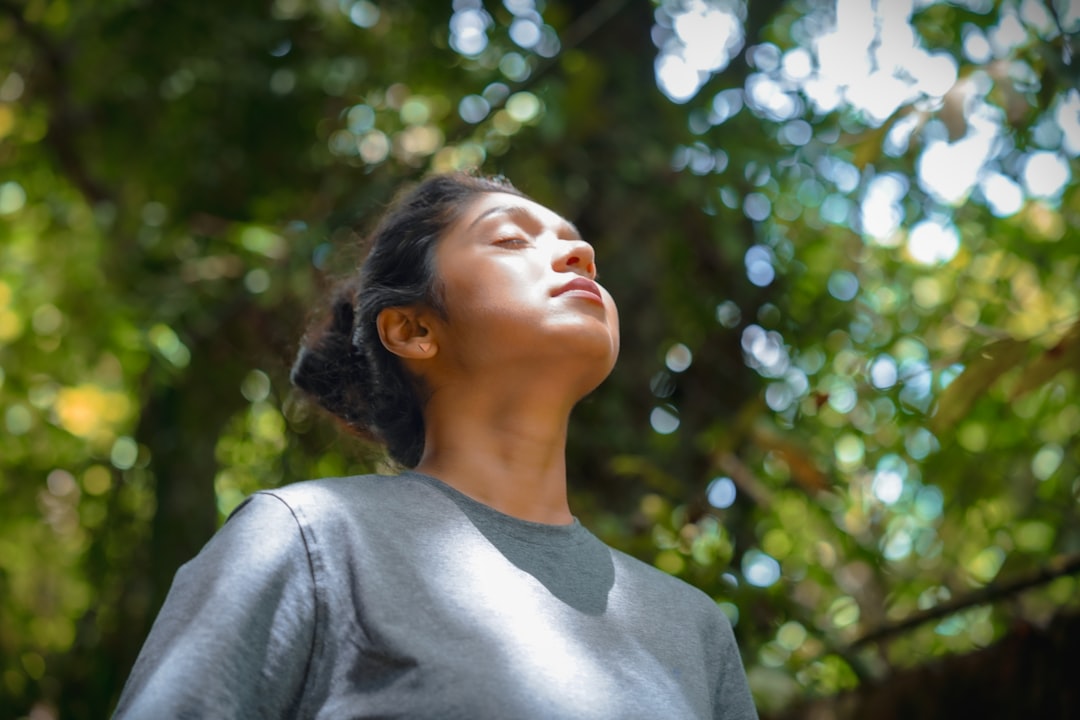
Finding ways to manage anxiety without meditation can be a relief for those who aren’t drawn to traditional meditative practices. For some, sitting still and focusing inward just doesn’t resonate. Luckily, there are breathing techniques for anxiety that don’t require meditation, offering a practical solution for immediate stress reduction without the need to clear your mind or sit in silence.
If you’re seeking a quick answer, here it is: specific breathing techniques can effectively reduce anxiety by regulating the nervous system and promoting calmness, all without the need for meditation. These methods offer a straightforward, accessible approach to easing anxiety whenever it arises.
Understanding Breathing Techniques for Anxiety Without Meditation
Before diving into the techniques, it helps to understand why breathing exercises can be effective. When we breathe deeply and deliberately, we signal the parasympathetic nervous system to calm the body. This process reduces the stress-induced fight-or-flight response, making it an essential tool for managing anxiety on the spot.
What You Need to Get Started
There’s no special equipment required for these breathing techniques. All you need is a comfortable place to sit or stand and a few minutes of your time. The beauty of these exercises is their simplicity and accessibility, making them easy to incorporate into your daily routine.
Step-by-Step Guide to Breathing Techniques
- Box Breathing: Find a comfortable seated position. Inhale deeply through your nose for a count of four. Hold your breath for another count of four. Then exhale slowly through your mouth for four counts. Finally, pause and hold the breath out for a count of four. Repeat this cycle four times.
- 4-7-8 Breathing: Begin by sitting or lying down comfortably. Inhale quietly through the nose for a count of four. Hold your breath for a count of seven. Then, exhale completely through your mouth for a count of eight. This technique works well as a quick reset during stressful moments.
- Diaphragmatic Breathing: Lie on your back with your knees bent, or sit comfortably. Place one hand on your chest and the other on your belly. Inhale deeply through your nose, allowing your diaphragm to move and your belly to rise. Exhale slowly and feel your belly fall. Aim for five to ten minutes of this breathing to feel the calming effects.
- Lion’s Breath: This energetic release can help relieve tension. Sit comfortably and inhale deeply through your nose. As you exhale, open your mouth wide, stick out your tongue, and audibly exhale with a “ha” sound. Repeat this three to five times.
Common Mistakes and Tips for Success
While these techniques are simple, there are a few things to keep in mind:
- Avoid Rushing: Take your time with each breath. The slower and more deliberate, the better the effect.
- Stay Comfortable: If a particular position feels uncomfortable, adjust it. The goal is relaxation, not discomfort.
- Practice Regularly: Like any skill, the more you practice, the more effective it becomes. Try incorporating these exercises into your daily routine.
- Listen to Your Body: If you feel dizzy or lightheaded, pause and return to normal breathing.
Conclusion — Embrace Non-Meditative Breathing Techniques
Now that you’ve learned these breathing techniques for anxiety without meditation, you’re equipped to handle stress whenever it arises. These exercises provide a practical and immediate way to calm your nerves, making them a valuable addition to your wellness toolkit. By practicing these techniques regularly, you can cultivate a sense of peace and balance in your daily life.
Photo by sidath vimukthi on Unsplash
Leave a Reply