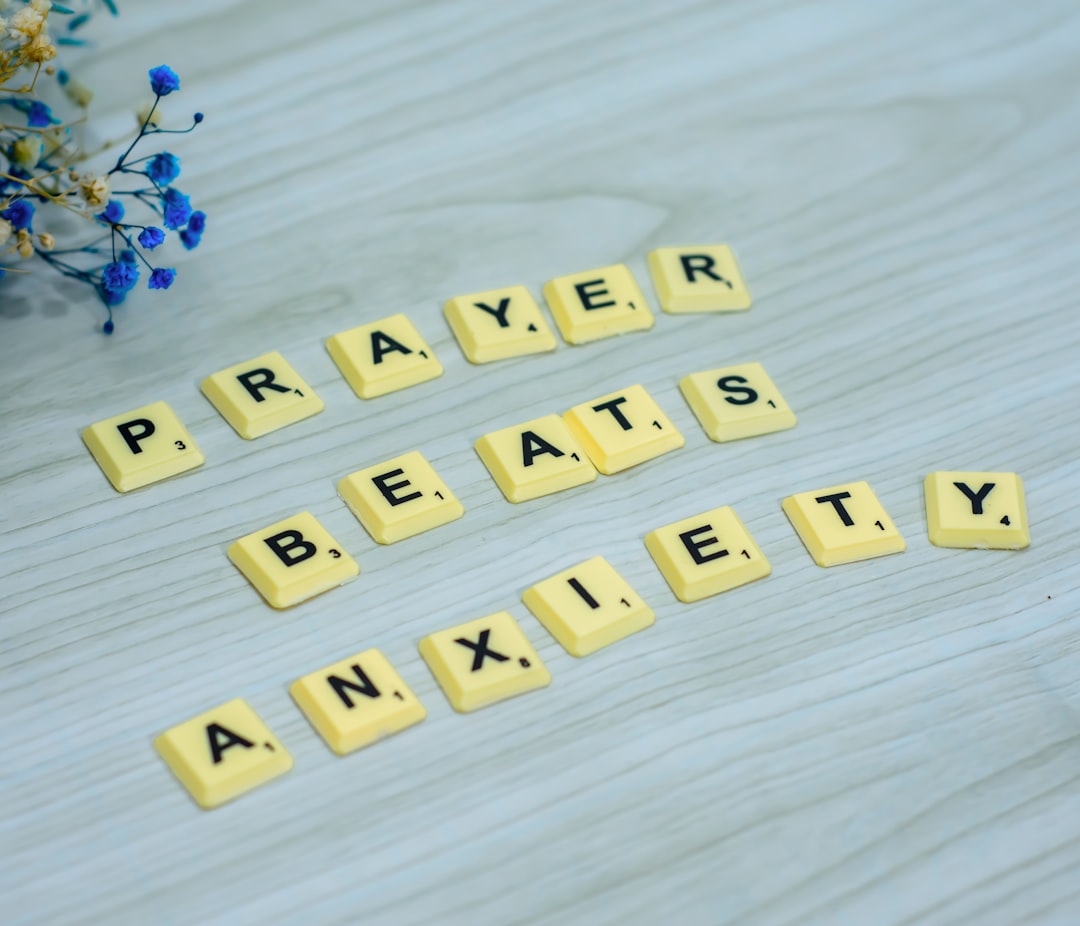
Anxiety is a complex emotional state that many individuals experience at varying levels of intensity. As more people seek effective natural solutions, understanding how to evaluate and integrate these remedies becomes crucial. This guide explores the efficacy of combining various natural anxiety relief strategies for a holistic approach to mental well-being.
Understanding Natural Anxiety Relief
Natural anxiety relief encompasses a range of strategies, including herbal supplements, mindfulness practices, dietary adjustments, and lifestyle changes. These approaches aim to reduce anxiety symptoms without relying on pharmaceuticals, which can sometimes come with undesirable side effects.
The Science Behind Holistic Approaches
Holistic approaches to anxiety relief focus on addressing the root causes of anxiety by considering the interconnectedness of body, mind, and spirit. Research shows that combining multiple strategies can enhance overall effectiveness. For instance, a study published in the Journal of Clinical Psychology found that individuals who practiced mindfulness meditation alongside regular exercise experienced a more significant reduction in anxiety symptoms compared to those who practiced either method alone.
Evaluating Herbal Supplements
Herbal supplements like Valeriana officinalis (valerian root), Passiflora incarnata (passionflower), and Piper methysticum (kava kava) are popular choices for natural anxiety relief. Each offers unique benefits:
- Valerian Root: Known for its calming properties, valerian root can promote relaxation and improve sleep quality.
- Passionflower: This herb may help reduce anxiety by increasing levels of gamma-aminobutyric acid (GABA) in the brain.
- Kava Kava: Traditionally used in Pacific cultures, kava kava is effective in reducing anxiety without impairing cognitive function.
When evaluating these supplements, consider potential interactions with other medications and consult with a healthcare provider to ensure safety and efficacy.
Incorporating Mindfulness and Meditation
Mindfulness and meditation are powerful tools for managing anxiety. These practices encourage individuals to focus on the present moment, thereby reducing anxious thoughts about the future. A practical example is the use of guided meditation apps like Headspace or Calm, which offer structured programs to help users cultivate mindfulness over time.
Case Study — Mindfulness in Action
Consider the experience of a busy professional who integrated a daily 10-minute mindfulness routine into their morning schedule. Over a three-month period, they reported a noticeable decrease in overall anxiety levels and improved concentration at work. This demonstrates the potential impact of consistent mindfulness practice on anxiety management.
Diet and Lifestyle Adjustments
Diet plays a crucial role in mental health. A balanced diet rich in omega-3 fatty acids, antioxidants, and B vitamins can support brain health and reduce anxiety symptoms. For instance, incorporating foods like fatty fish, nuts, seeds, and leafy greens into your diet can help stabilize mood and improve cognitive function.
Additionally, regular physical activity has been shown to significantly reduce anxiety. A study from the American Journal of Psychiatry highlights that individuals engaging in moderate exercise experienced a 30% reduction in anxiety symptoms compared to those with a sedentary lifestyle.
Creating a Personalized Anxiety Relief Plan
To effectively manage anxiety naturally, it’s essential to develop a personalized plan that considers individual preferences and lifestyle. Start by selecting one or two strategies that resonate with you, such as incorporating a herbal supplement and starting a mindfulness practice. Gradually introduce other elements, like dietary changes or physical activity, as you become more comfortable.
Regularly assess the effectiveness of each component and adjust your plan based on what works best for you. Remember, the key is consistency and patience, as natural remedies may take time to show results.
The Importance of Professional Guidance
While natural remedies can be effective, it’s important to seek professional guidance when necessary. A healthcare provider or mental health professional can offer valuable insights and ensure that your approach is safe and suitable for your needs.
Ultimately, evaluating and integrating natural anxiety relief strategies requires a comprehensive understanding of your unique situation. By taking a holistic approach, you can create a sustainable plan that not only alleviates anxiety symptoms but also enhances overall well-being.
Photo by Alex Shute on Unsplash
Leave a Reply