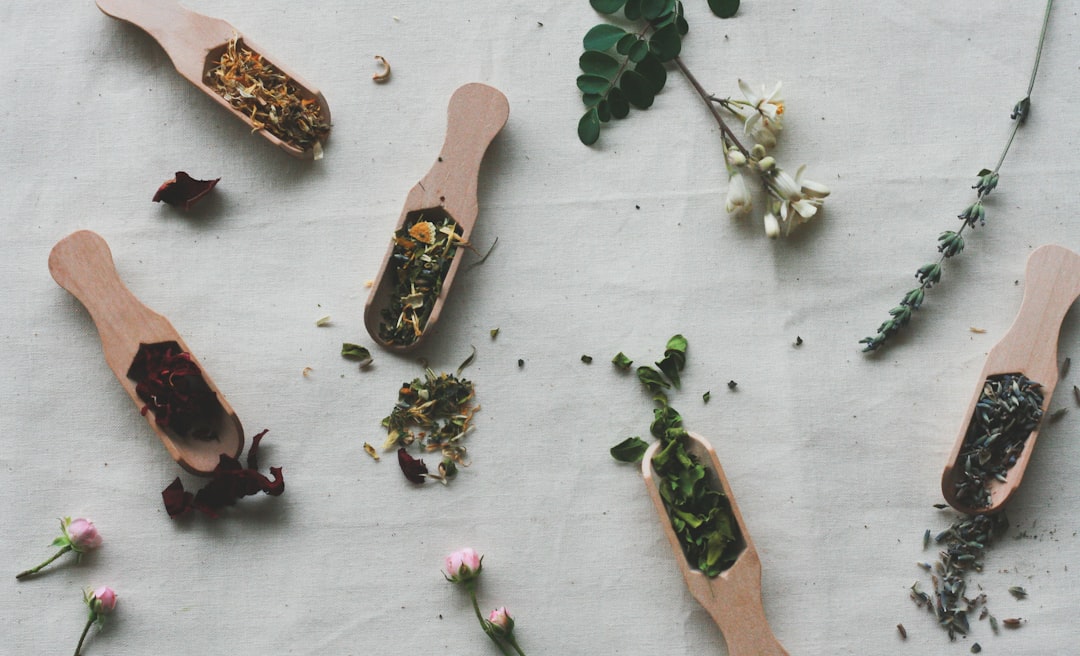
Have you ever wondered why certain herbs have such a calming effect, especially when it comes to easing anxiety? Let’s dive into the world of herbal constituents and explore how these natural compounds can offer relief.
The Science Behind Herbal Remedies
Herbs have been used for centuries to treat a variety of ailments, and anxiety is no exception. But what exactly in these plants makes them effective? The answer lies in their constituents—specific compounds that interact with our body’s chemistry to produce calming effects.
Key Constituents in Anxiety-Relieving Herbs
Various herbs have unique profiles of active compounds. Here, we’ll explore some common herbs and the constituents believed to provide anxiety relief:
- Valerian Root: Known for its sedative properties, valerian contains valerenic acid and valerenol, which are thought to increase the amount of gamma-aminobutyric acid (GABA) in the brain. GABA helps to calm nervous activity and reduce anxiety.
- Chamomile: This gentle herb is rich in apigenin, a flavonoid that binds to benzodiazepine receptors in the brain, which can help to ease anxiety and promote relaxation.
- Lavender: Often used in aromatherapy, lavender contains linalool and linalyl acetate, compounds that have been shown to have sedative effects and reduce levels of anxiety.
- Passionflower: This beautiful flower is packed with vitexin and chrysin, which may help increase GABA levels, contributing to its calming effects.
How These Constituents Work
It’s one thing to list out these constituents, but understanding how they work is crucial. Let’s break down their action mechanisms:
Interaction with Neurotransmitters
Many of these herbal constituents interact with neurotransmitters—chemical messengers in the brain. For instance, by increasing GABA, they help slow down brain activity, which in turn can reduce feelings of anxiety. This is somewhat similar to how prescription anti-anxiety medications work, but with fewer side effects.
Antioxidant Properties
Another fascinating aspect is their antioxidant capabilities. Anxiety can be exacerbated by oxidative stress, where harmful molecules damage cells. Compounds like flavonoids in chamomile not only calm the mind but also combat oxidative stress, promoting overall well-being.
Real-Life Applications
Now, let’s talk about how you can integrate these herbal remedies into your life. Here are a few practical examples:
- Evening Tea Ritual: Consider brewing a cup of valerian or chamomile tea an hour before bed. This simple routine can help ease the transition from a busy day to a restful night.
- Aromatherapy with Lavender: Use a few drops of lavender essential oil in a diffuser to create a calming environment in your home or workspace.
- Passionflower Supplements: Available in capsules or tinctures, passionflower supplements can be a convenient way to include this herb in your daily regimen.
Safety and Considerations
While herbal remedies can be effective, it’s important to use them wisely. Always start with a small dose to see how your body reacts and consult with a healthcare professional, especially if you are pregnant, nursing, or taking other medications.
Remember, natural doesn’t always mean risk-free. Some herbs can interact with medications or cause allergic reactions. It’s crucial to research and choose high-quality products from reputable sources.
Building a Personalized Plan
Everyone’s experience with anxiety is unique, and what works for one person might not work for another. Start by experimenting with different herbs and note how each affects your anxiety levels. Keeping a journal can help track which remedies are most effective for you.
Incorporating these natural options into your routine could offer a gentle yet powerful way to manage anxiety. As you explore these herbal remedies, remember to listen to your body and make adjustments as needed.
Ultimately, the goal is to create a personalized, sustainable self-care plan that fits seamlessly into your lifestyle, helping you manage anxiety in a way that feels both natural and effective.
Photo by Carmen Grobler on Unsplash
Leave a Reply