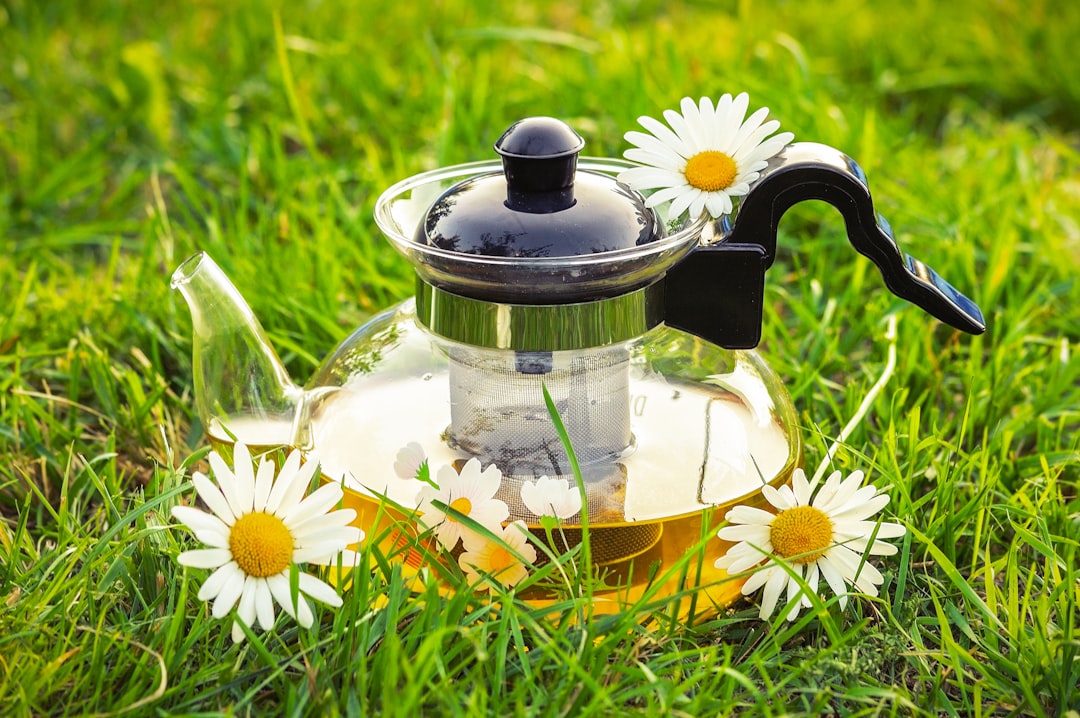
When it comes to managing anxiety, many people seek natural remedies that fit seamlessly into their daily routines. Two popular options are chamomile tea and lavender tea, both known for their calming effects. This comparison of Chamomile Tea vs Lavender Tea for anxiety is particularly relevant for those looking to soothe their nerves without pharmaceuticals. Understanding the unique benefits of each can help you decide which one might be the best fit for your lifestyle in 2026.
Understanding Chamomile Tea
Chamomile tea, made from the dried flowers of the chamomile plant, has been used for centuries as a natural remedy for anxiety and insomnia. Its mild sedative effects are attributed to the presence of apigenin, an antioxidant that binds to receptors in the brain, promoting relaxation. Besides calming nerves, chamomile is also known for its anti-inflammatory properties, making it a holistic choice for overall well-being.
Exploring Lavender Tea
Lavender tea, brewed from the dried buds of the lavender plant, offers a fragrant escape from daily stress. Known for its soothing aroma, lavender tea has compounds like linalool and linalyl acetate, which are believed to impact neurotransmitters in the brain, reducing anxiety and fostering a sense of calm. Lavender’s potential to alleviate headaches and improve mood makes it a versatile option for those navigating stressful environments.
Chamomile Tea vs Lavender Tea for Anxiety — A Head-to-Head Comparison
Taste and Aroma
Both teas offer unique sensory experiences. Chamomile tea is known for its sweet, apple-like flavor, which many find comforting and easy to drink. In contrast, lavender tea has a strong floral aroma that can be more polarizing. For those who enjoy floral notes, lavender offers a refreshing taste, while chamomile provides a subtler, more universally appealing option.
Effectiveness in Reducing Anxiety
Chamomile tea has a long-standing reputation for its calming effects. Studies have shown that regular consumption can significantly decrease symptoms of generalized anxiety disorder. Lavender tea, meanwhile, is particularly effective for its aromatic properties, which contribute to reducing anxiety levels through inhalation as well as ingestion. Individuals who respond well to aromatherapy might find lavender more effective.
Additional Health Benefits
Beyond anxiety relief, chamomile tea offers digestive support and can aid in reducing inflammation. Its soothing properties make it an excellent choice for those with gastrointestinal issues. Lavender, on the other hand, is praised for its ability to improve sleep quality and alleviate headaches. If you’re dealing with insomnia or tension headaches, lavender might offer additional relief.
Availability and Ease of Use
Both teas are widely available in supermarkets and health food stores, often in bagged or loose leaf forms. Chamomile is generally more common and available in a variety of blends, which can be more appealing for those who like experimentation. Lavender tea, while available, might require a bit more searching in specialty stores or online, particularly for high-quality options.
Verdict — Choosing the Right Tea for You
For those seeking a classic, gentle way to unwind, chamomile tea is a tried-and-true option. Its mild flavor and proven anxiety-reducing effects make it suitable for most people, especially those who also suffer from digestive issues. Lavender tea, with its potent aroma and additional benefits for sleep and headaches, might be the better choice for individuals who respond well to aromatherapy and need a more robust solution for stress.
Ultimately, the choice between Chamomile Tea vs Lavender Tea for anxiety depends on personal preference and specific needs. If you’re new to herbal teas, starting with chamomile might be a gentler introduction. However, if you’re intrigued by the therapeutic potential of aroma and need help with sleep, lavender could be the perfect fit. Whichever you choose, incorporating these natural teas into your routine can be a soothing way to manage anxiety and enhance your well-being.
Photo by Vitolda Klein on Unsplash
Leave a Reply