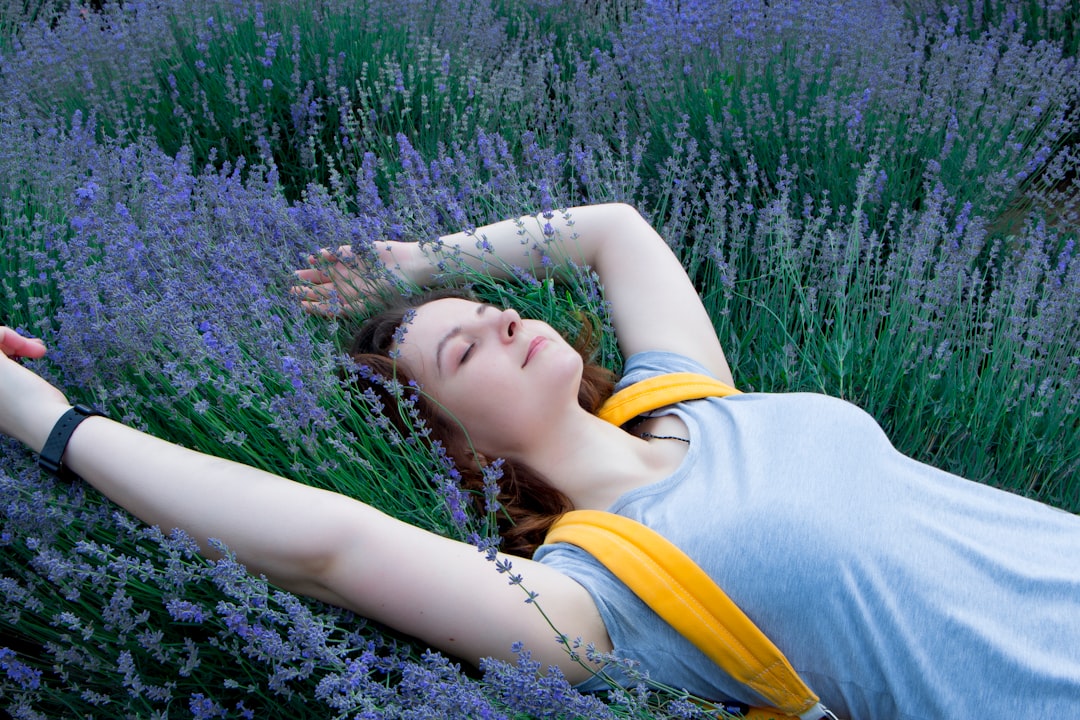
Combining herbal and breathing techniques for anxiety provides a comprehensive approach to managing stress and enhancing well-being. With interest growing in natural remedies, this blend of methods offers a practical solution for those seeking effective anxiety relief. As we explore this topic, we address common questions that illuminate how these techniques can be integrated into daily life for sustainable mental health improvements.
Understanding Herbal and Breathing Techniques for Anxiety
How can herbal remedies be used to combat anxiety?
Herbal remedies work by leveraging the calming properties of plants like chamomile, lavender, and passionflower. These herbs can be consumed as teas, taken as supplements, or used in aromatherapy to soothe the nervous system and reduce anxiety symptoms. By incorporating these herbs into your routine, you can create a natural barrier against stress.
What are the benefits of integrating breathing exercises with herbal remedies?
Combining breathing exercises with herbal remedies enhances the effectiveness of both approaches. Breathing techniques such as deep breathing or the 4-7-8 method activate the body’s relaxation response, which complements the calming effects of herbs. This synergy can lead to a more profound and immediate sense of peace and reduced anxiety.
Which breathing techniques are most effective for anxiety relief?
Some effective breathing techniques for anxiety include diaphragmatic breathing, box breathing, and alternate nostril breathing. Each of these methods focuses on mindful, controlled breathing, which helps lower heart rate and reduces stress. Practicing these techniques regularly can build resilience against anxiety.
Can you provide an example of a daily routine incorporating these techniques?
A balanced routine could start with a morning meditation using deep breathing exercises, followed by a cup of chamomile tea. Throughout the day, taking breaks to practice box breathing can help maintain calm. In the evening, using lavender oil for aromatherapy during a wind-down routine can further enhance relaxation.
How do I choose the right herbs for my anxiety symptoms?
Choosing the right herbs depends on individual symptoms and preferences. For example, if sleep disturbances are a concern, valerian root might be beneficial. If daytime anxiety is prevalent, lemon balm or ashwagandha could be more suitable. Consulting with a healthcare provider or herbalist can provide personalized recommendations.
Are there any safety concerns when using herbal remedies and breathing techniques together?
While generally safe, it’s important to use these methods cautiously, especially if taking other medications. Some herbs can interact with prescription drugs, while certain breathing techniques may not be suitable for individuals with specific medical conditions. It’s advisable to consult a healthcare professional before beginning any new regimen.
How quickly can one expect to see results from these techniques?
Results can vary based on consistency and individual response. Some may notice immediate relief from a single breathing session, while others might experience cumulative benefits over weeks. Herbal remedies often require consistent use over time to notice significant changes in anxiety levels.
What are some common misconceptions about herbal and breathing techniques for anxiety?
A common misconception is that these techniques offer a “quick fix” for anxiety. While they can provide immediate relief, they are most effective when used as part of a holistic lifestyle approach. Another myth is that all herbs are safe for everyone, which is not true, as individual reactions can vary.
Conclusion
By combining herbal and breathing techniques for anxiety, individuals can create a powerful toolkit for managing stress and enhancing overall well-being. These natural methods provide not only immediate relief but also contribute to long-term emotional balance. As you explore these techniques, remember to tailor them to your needs and consult with professionals to ensure safety and efficacy. Through consistent practice, you can cultivate a more peaceful and resilient state of mind.
Photo by Lilia Negura on Unsplash
Leave a Reply