Author: Calm Health Team

  • The Science Behind Natural Anxiety Remedies

    The Science Behind Natural Anxiety Remedies

    Anxiety can feel like a persistent storm cloud hovering just overhead, but there are ways to calm the skies. While traditional treatments like therapy and medication are effective, many people explore natural remedies as complementary approaches. But what’s the science behind these natural solutions? Let’s dive in and explore how they work and why they might be worth considering.

    Understanding Anxiety and Its Impact

    Before we explore natural remedies, it’s helpful to understand what anxiety is. Essentially, anxiety is the body’s natural response to stress. It’s a feeling of fear or apprehension about what’s to come. While it’s a normal part of life, chronic anxiety can affect your quality of life, impacting everything from your sleep patterns to your ability to concentrate.

    The Science of Natural Remedies

    Navigating through the world of natural anxiety remedies can be overwhelming. However, some options are backed by scientific research, making them worth considering as part of a holistic approach to managing anxiety. Here’s a closer look at a few that stand out.

    Herbal Remedies

    Herbs like valerian root, lavender, and passionflower have been used for centuries to promote relaxation. Valerian root, for instance, is often referred to as ‘nature’s Valium’ and has shown promise in reducing anxiety symptoms in several studies. A study published in the Journal of Phytotherapy Research found that participants who took valerian reported significantly reduced anxiety levels compared to a placebo group.

    Lavender is another herb with a growing body of evidence supporting its use in anxiety treatment. A study published in the International Journal of Psychiatry in Clinical Practice found that oral lavender oil preparation was as effective as the pharmaceutical lorazepam in reducing anxiety.

    Meditation and Mindfulness

    Meditation isn’t just about sitting still and emptying your mind. It’s a practice that can help you focus on the present moment, reducing stress and anxiety. Studies, like one from Harvard University, show that mindfulness meditation can physically change the brain and may improve emotional regulation. Participants in the study who practiced mindfulness meditation showed a decrease in the density of gray matter in the amygdala, a brain region involved in stress response.

    Diet and Nutrition

    What you eat can have a profound effect on your mental health. Nutrients like omega-3 fatty acids, magnesium, and probiotics are thought to influence brain health and mood. For example, omega-3s, found in fatty fish, have anti-inflammatory properties that may ease anxiety. A study in the Journal of Clinical Psychiatry found that people with generalized anxiety disorder who took omega-3 supplements experienced a significant reduction in symptoms.

    Exercise

    Physical activity is a powerful anxiety fighter. Regular exercise can help lower stress and anxiety by releasing endorphins, which improve mood and act as natural painkillers. The Anxiety and Depression Association of America notes that even a brisk walk or short run can help in reducing anxiety.

    Integrating Natural Remedies into Your Routine

    It’s important to remember that while natural remedies can be effective, they should be considered as part of a broader strategy for managing anxiety. Here are a few practical ways to integrate them into your life:

    • Start small: Begin with one change at a time. This might be adding a daily meditation practice or incorporating omega-3-rich foods into your diet.
    • Consult with a healthcare provider: Especially if you’re currently taking medication, as some supplements and herbs can interact with pharmaceuticals.
    • Track your progress: Keeping a journal can help you identify what works best for you and monitor improvements over time.

    Real-Life Scenarios

    Consider Sarah, a busy professional who found herself overwhelmed with anxiety. By incorporating a nightly lavender tea and practicing meditation, she managed to reduce her anxiety levels significantly. Similarly, Mark, who struggled with anxiety for years, found that adding regular exercise into his routine greatly improved his mental health.

    The Takeaway

    Navigating anxiety is an individual journey, and what works for one person may not work for another. However, exploring natural remedies backed by science can provide additional tools for your anxiety management toolkit. Remember, the goal is to find a balance that works for you, and integrating these natural remedies might just be the first step in calming the storm.

    Photo by Gus Ruballo on Unsplash
  • 5 DIY Herbal Teas to Soothe Anxiety

    5 DIY Herbal Teas to Soothe Anxiety

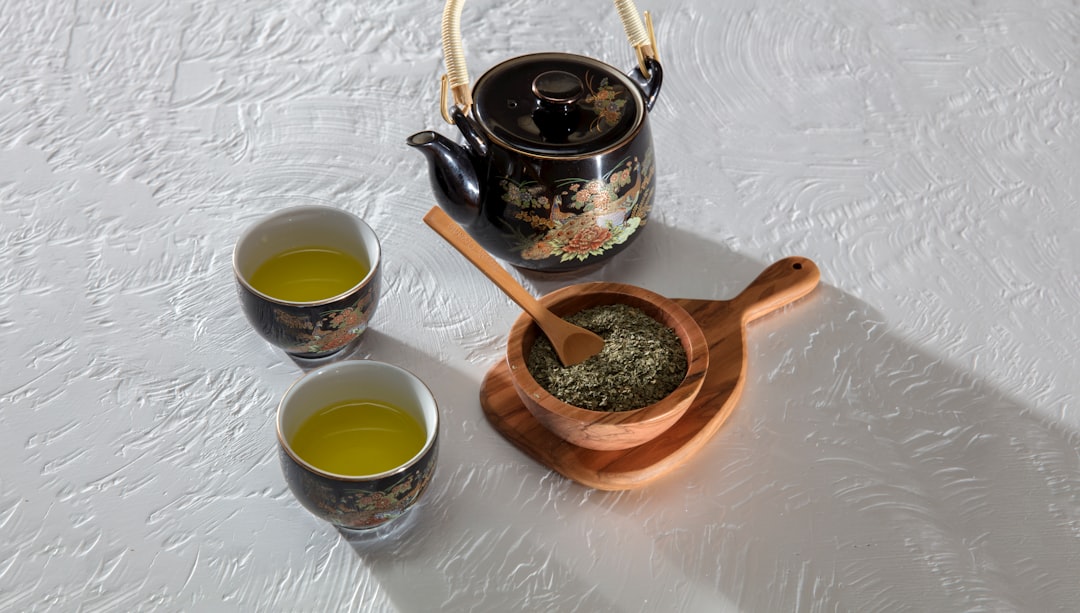
    Imagine curling up with a steaming cup of herbal tea. The aroma is soothing, the warmth comforting, and the herbs—well, they might just be your new best friends in the battle against anxiety. Herbal teas have been cherished for centuries, not just for their flavors but for their potential calming effects. Let’s explore how you can easily create these anxiety-soothing brews at home.

    Chamomile Calm

    Chamomile tea is like a gentle hug in a mug. Known for its calming properties, this herbal tea can help reduce anxiety and promote relaxation. Chamomile contains an antioxidant called apigenin, which binds to certain receptors in your brain that might decrease anxiety and help induce sleep.

    Recipe: Steep 2 teaspoons of dried chamomile flowers in a cup of boiling water for about 5 minutes. Strain and enjoy it with a touch of honey or a slice of lemon for added flavor.

    For those who have trouble sleeping due to anxiety, sipping on chamomile tea an hour before bedtime might be a delightful routine to incorporate.

    Lemon Balm Bliss

    Lemon balm, a member of the mint family, is known for its mild sedative effects. It has been used since the Middle Ages to reduce stress and anxiety, promote sleep, and improve appetite.

    Recipe: Use about 1 tablespoon of dried lemon balm leaves per cup of boiling water. Let it steep for 10 minutes, strain, and enjoy the citrusy, refreshing taste. This tea pairs wonderfully with a bit of honey.

    Lemon balm tea is perfect for sipping throughout the day, especially when you’re feeling overwhelmed and need a moment to regroup.

    Lavender Lull

    Popular for its fragrant scent, lavender isn’t just for essential oils. Its calming effects extend to tea as well. Lavender tea can help reduce anxiety levels and relax your mind.

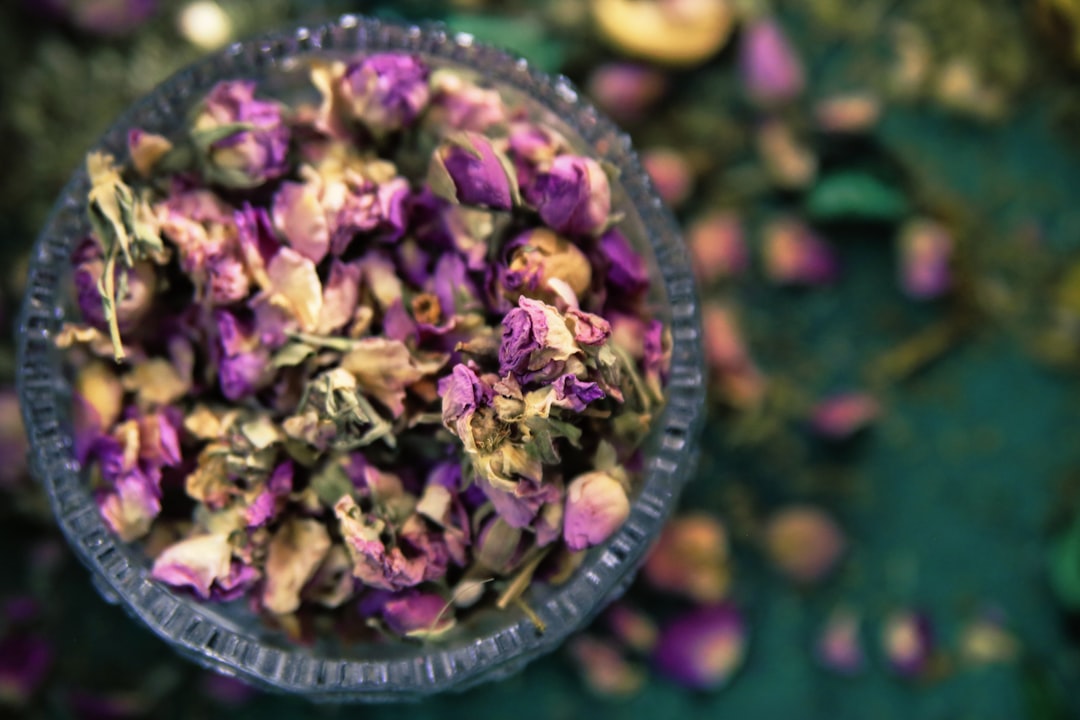
    Recipe: Add 1 teaspoon of dried lavender buds to a cup of hot water. Let it steep for about 5 minutes, strain, and savor the floral aroma. Feel free to mix with chamomile for a more complex flavor.

    Lavender tea is a wonderful choice for winding down in the evening, helping to set the stage for a restful night’s sleep.

    Passionflower Peace

    Passionflower is often used as a natural remedy for anxiety. It’s believed to increase levels of gamma-aminobutyric acid (GABA) in the brain, which lowers brain activity and may help you relax and sleep better.

    Recipe: Use 1 teaspoon of dried passionflower herb for each cup of boiling water. Steep for 5-10 minutes, strain, and perhaps add a dash of cinnamon or honey to enhance the flavor.

    This tea is particularly useful if your anxiety is affecting your ability to concentrate or relax during the day.

    Valerian Root Rest

    Valerian root has been used for centuries as a sleep aid and is known for its potential to ease anxiety. It might not have the most pleasant aroma, but its effects can be quite beneficial.

    Recipe: Steep 1 teaspoon of dried valerian root in a cup of hot water for 10-15 minutes. Strain and drink it about an hour before bed for the best results.

    Valerian root tea may be an acquired taste, so feel free to mix in a bit of lemon balm or chamomile to mellow the flavor.

    Creating Your Own Ritual

    Brewing your own herbal tea is more than just a method to soothe anxiety. It’s a ritual, an opportunity to pause and practice mindfulness. When you’re preparing your tea, focus on each step—the sound of the water boiling, the aroma of the herbs as they steep, the warmth of the mug in your hands. This mindfulness can be a powerful tool against anxiety.

    Remember, while these teas are wonderful complements to a healthy lifestyle, they aren’t a replacement for professional medical advice or treatment. If anxiety is significantly impacting your daily life, consider consulting a healthcare professional.

    Incorporating these teas into your routine can be a delicious step toward a calmer, more centered you. So, which one will you try first?

    Photo by Randy Fath on Unsplash

  • A Beginner’s Guide to Aromatherapy for Anxiety Relief

    A Beginner’s Guide to Aromatherapy for Anxiety Relief

    Feeling anxious? You’re not alone. Anxiety is a common experience that can range from a minor inconvenience to a major disruption in our daily lives. While there are various ways to manage anxiety, aromatherapy offers a natural and accessible option that many find helpful. In this guide, we’ll explore how essential oils can be used to alleviate anxiety symptoms, providing a beginner-friendly approach to incorporating aromatherapy into your wellness routine.

    Understanding Aromatherapy

    Aromatherapy uses natural plant extracts, typically in the form of essential oils, to promote physical and emotional well-being. These oils are extracted from plants and have been used for centuries in various cultures for their therapeutic properties. When inhaled, the aroma of these oils can have a positive effect on your mind and body, influencing your mood and reducing stress.

    Essential Oils for Anxiety Relief

    While there are numerous essential oils, certain ones are particularly effective at calming anxiety. Here are a few you might consider:

    • Lavender: Known for its calming and relaxing effects, lavender oil is a popular choice for reducing anxiety and promoting sleep.
    • Bergamot: With its refreshing citrus scent, bergamot oil can help uplift your mood and relieve tension.
    • Chamomile: Often used in teas, chamomile oil can also be inhaled to provide a sense of calm and relaxation.
    • Ylang Ylang: This sweet-scented oil is used to reduce stress and promote a sense of well-being.

    How to Use Essential Oils for Anxiety

    Incorporating essential oils into your daily routine doesn’t have to be complicated. Here are a few methods you can try:

    Inhalation

    One of the simplest ways to use essential oils is through inhalation. You can add a few drops of your chosen oil to a diffuser, or simply inhale directly from the bottle. For a quick and easy method, try adding a few drops to a tissue or cotton ball and breathing in deeply.

    Topical Application

    Essential oils can also be applied to the skin, though it’s important to dilute them with a carrier oil (like coconut or jojoba oil) to avoid irritation. Apply the mixture to pulse points such as your wrists, temples, or the back of your neck for a calming effect.

    Bath Soak

    Adding essential oils to your bath is a luxurious way to unwind. Mix a few drops with Epsom salts or a carrier oil before adding to your bath water to help disperse the oil evenly. This method not only helps with relaxation but also soothes muscles and softens skin.

    Creating a Personalized Aromatherapy Routine

    Start by identifying when your anxiety tends to peak. Is it during work hours, in the evenings, or perhaps when you wake up? Tailor your aromatherapy routine to these moments. For instance, if mornings are stressful, try diffusing lavender or bergamot while getting ready for the day. If evenings bring anxiety, consider a calming chamomile bath before bed.

    Real-Life Successes

    Consider the story of Jenna, a busy advertising executive who found herself constantly stressed from long hours and tight deadlines. She began using aromatherapy as part of her self-care routine, opting for a mix of lavender and ylang ylang oils. By diffusing these oils in her home office and during her evening yoga sessions, Jenna noticed a significant reduction in her anxiety levels, feeling more at ease both at work and during her downtime.

    Things to Keep in Mind

    While aromatherapy is generally safe, it’s important to remember a few key points:

    • Quality Matters: Choose high-quality, pure essential oils from reputable sources to ensure safety and effectiveness.
    • Allergies and Sensitivities: Test for allergies by applying a small amount of diluted oil to your skin and waiting 24 hours to see if any reaction occurs.
    • Consulting Professionals: If you’re pregnant, nursing, or have a medical condition, consult with a healthcare professional before using essential oils.

    Taking the First Step

    Embarking on your aromatherapy journey doesn’t require a massive investment or a lot of time. Start small, experiment with different oils and methods, and pay attention to what works best for you. Remember, the goal is to create a routine that fits seamlessly into your life and brings you closer to a state of calm and balance.

    For more insights on improving your mental health and wellness, explore additional resources and join the calmhealth.blog community, where we prioritize practical, science-backed solutions for a healthier, more balanced life.

    Photo by CRYSTALWEED cannabis on Unsplash

  • Creating Your Own Herbal Anxiety Relief Kit

    Creating Your Own Herbal Anxiety Relief Kit

    Imagine walking into your home after a long day, feeling the weight of anxiety slowly lifting as you brew a calming cup of herbal tea. This isn’t just a fantasy—it’s the kind of transformation you can experience with your own personalized herbal anxiety relief kit. Let’s explore how you can create an effective, natural remedy kit tailored to your needs.

    Why Herbal Remedies?

    Herbal remedies have been used for centuries across various cultures to soothe anxiety naturally. They offer a gentle alternative to pharmaceuticals, often without the risk of side effects. While scientific support varies, many people find relief through the calming properties of herbs. Plus, crafting your own kit can be a mindful activity in itself, providing a sense of control and personal care.

    Getting Started with Your Kit

    Before you dive into your kit creation, it’s essential to understand your personal needs and preferences. Are you looking for something to help with sleep, or do you need daytime relief? Consider keeping a journal for a week to pinpoint when your anxiety peaks and what triggers it. This insight will guide your herb selection.

    Essential Herbs for Anxiety Relief

    Here are some herbs renowned for their calming effects. You may not need them all, but they’re a great starting point:

    • Chamomile: Known for its soothing properties, chamomile tea can be particularly helpful at bedtime.
    • Lemon Balm: This herb has a refreshing citrus scent and is excellent for daytime use to uplift your mood.
    • Lavender: Often used in aromatherapy, lavender can be included in your kit as an essential oil or dried for tea.
    • Valerian Root: Known for its sleep-inducing properties, valerian root is best used in the evening.
    • Passionflower: This herb may help reduce stress and improve sleep quality.

    Assembling Your Kit

    Now, let’s put together your personalized kit. Here’s a practical approach:

    1. Select Your Herbs: Choose a few herbs based on your needs. If you’re unsure, start with chamomile and lavender, as they’re versatile and easy to find.
    2. Gather Supplies: You’ll need airtight containers for your herbs, a kettle for brewing, and a strainer. Consider adding a small notebook for journaling your experiences.
    3. Create Herbal Blends: Experiment with different combinations. A mix of chamomile and lemon balm can be refreshing, while lavender and valerian make a calming evening brew.
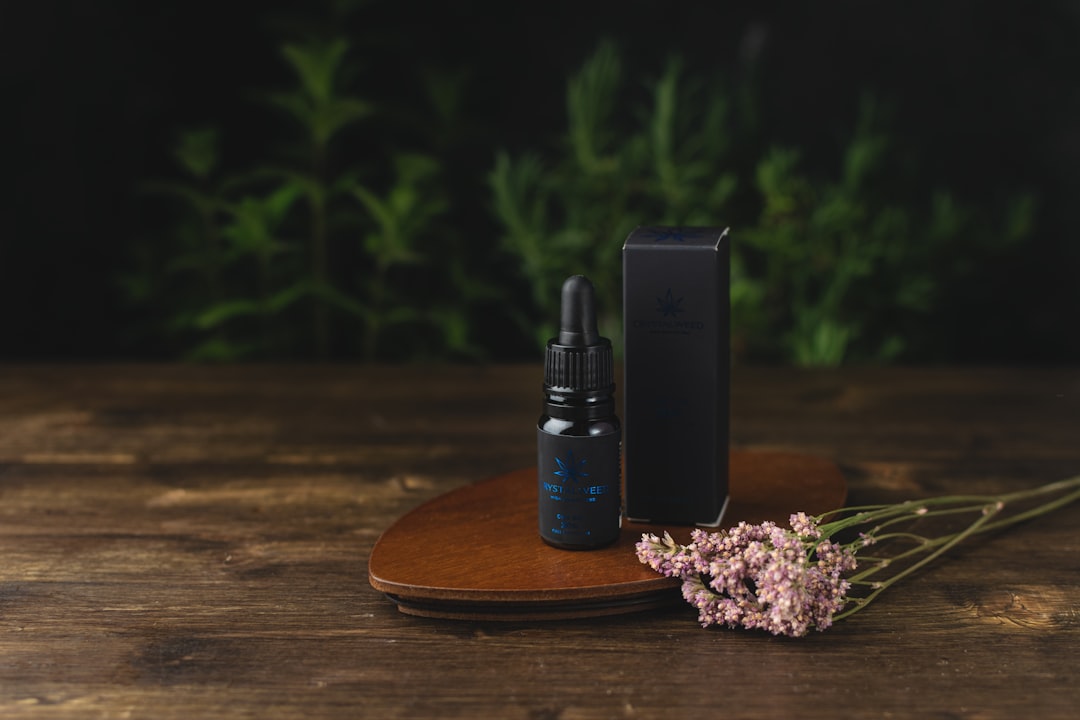
    4. Include Aromatherapy: Add a small vial of lavender essential oil. A few drops on your pillow or in a diffuser can enhance the soothing effect.

    Practical Usage Tips

    Once your kit is ready, incorporate it into your daily routine. Here’s how:

    • Morning Boost: Start your day with a cup of lemon balm tea to set a positive tone.
    • Midday Break: Take a break with chamomile tea if stress peaks in the afternoon.
    • Evening Wind-Down: Brew a blend of lavender and valerian root to help transition into a restful evening.
    • Aromatherapy: Use lavender oil during meditation or before bed for added relaxation.

    Real-Life Case Study

    Consider Sarah, a busy marketing executive who struggled with anxiety due to her hectic schedule. After assembling her herbal kit, she found that a routine of chamomile tea in the afternoon and lavender oil at night significantly reduced her anxiety levels. She also kept a journal to track her mood and tweak her herb combinations.

    Monitoring Your Progress

    Keep track of how each herb affects your mood and anxiety levels. Adjust your kit as needed, adding new herbs or trying different blends. Remember, the goal is to create a kit that fits your unique lifestyle and needs.

    Creating your herbal anxiety relief kit isn’t just about finding a quick fix. It’s about engaging in a mindful practice that prioritizes your well-being. With patience and experimentation, you’ll discover what works best for you, leading to a more serene and balanced life.

    Photo by EJ Li on Unsplash

  • Understanding Herbal Remedies for Anxiety

    Understanding Herbal Remedies for Anxiety

    Have you ever found yourself in the middle of a hectic day, your mind racing, heart pounding, and feeling like there’s no escape from the anxiety swirling inside? You’re not alone. Many people are seeking natural ways to manage anxiety, and herbal remedies are gaining popularity as a viable option. Let’s dive into how you can use these natural allies to help calm your nerves.

    Understanding the Power of Herbs

    Herbs have been used for centuries in various cultures to promote relaxation and reduce anxiety. The beauty of herbal remedies lies in their ability to support the body’s natural processes without the harsh side effects often associated with prescription medications. However, it’s essential to approach them with an open mind and a bit of caution, as not all herbs are suitable for everyone.

    Valerian Root — Nature’s Tranquilizer

    Valerian root, often referred to as nature’s tranquilizer, is known for its calming properties. It’s commonly used to improve sleep quality and reduce the time it takes to fall asleep, which can be particularly beneficial for those whose anxiety keeps them tossing and turning at night. Picture this: you’re lying in bed, the world is quiet, and instead of being caught in a whirlwind of thoughts, your mind gently drifts off, soothed by valerian’s calming effects.

    Passionflower — A Gentle Calming Aid

    Imagine a flower that not only pleases the eye but also calms the mind. Passionflower is that plant. This herb is often used to alleviate anxiety and stress, and it might just be the gentle nudge you need to unwind after a long day. It works by increasing levels of gamma-aminobutyric acid (GABA) in the brain, a neurotransmitter that helps reduce brain activity, leading to relaxation.

    Chamomile — More Than Just a Soothing Tea

    Chamomile is a household name, often associated with calming teas. But did you know it can also be an effective remedy for anxiety? Studies suggest that chamomile can significantly reduce symptoms of generalized anxiety disorder (GAD). Imagine sipping a warm cup of chamomile tea, feeling the warmth spread through your body, and experiencing an easing of your anxious thoughts.

    How to Incorporate Herbal Remedies into Your Routine

    Incorporating herbal remedies into your life doesn’t have to be complicated. Here are some practical ways to start:

    • Teas and Infusions: One of the simplest ways to enjoy herbs is through teas. You can find pre-packaged herbal teas or make your own blends. Try sipping on passionflower or chamomile tea in the evening to help wind down.
    • Supplements: Herbal supplements are widely available in capsule form. However, it’s crucial to consult with a healthcare provider before starting any new supplement, especially if you’re on other medications.
    • Aromatherapy: Essential oils made from these herbs can be used in diffusers or applied to the skin (when diluted). The scent of lavender or chamomile can create a calming environment.

    Real-World Success Stories

    Consider Sarah, a busy professional who found herself overwhelmed by stress and anxiety. After trying various methods, she decided to explore herbal remedies. By integrating chamomile tea into her nightly routine and using a valerian supplement, Sarah noticed a significant reduction in her anxiety levels and an improvement in her sleep quality. Her story is a testament to how these natural remedies can make a meaningful difference.

    Proceed with Caution

    While herbal remedies offer many benefits, it’s essential to use them wisely. Always start with a small dose to see how your body reacts, and consult with a healthcare professional, especially if you’re pregnant, nursing, or have existing medical conditions. Remember, what works for one person may not work for another, so patience and perseverance are key.

    Incorporating herbal remedies into your wellness routine can be a gentle and effective way to manage anxiety. As you explore these options, listen to your body and give yourself the grace to find what truly works for you.

    Want to learn more about natural ways to manage anxiety? Explore our blog for additional resources and support on your journey to better mental health.

    Photo by Graphe Tween on Unsplash

  • Advanced Breathing Techniques for Deep Anxiety Relief

    Advanced Breathing Techniques for Deep Anxiety Relief

    When anxiety hits, it can feel like an uninvited guest that just won’t leave. Many of us have learned to tackle this intruder with the help of simple breathing techniques, but what if you’re ready to take your practice to the next level? Let’s dive into some advanced breathing techniques that can help you achieve a deeper sense of calm and relief from anxiety.

    Why Advanced Breathing Techniques?

    You’ve probably heard about basic breathing exercises like box breathing or the 4-7-8 technique. But as you become more experienced, you might find that these methods don’t quite cut it anymore. Advanced techniques offer a deeper, more nuanced approach to anxiety relief. They’re not just about changing the way you breathe; they’re about transforming your entire state of being.

    The Power of Diaphragmatic Breathing

    Let’s start with diaphragmatic breathing, also known as belly breathing. This technique focuses on the diaphragm, a powerful muscle that helps draw air deep into your lungs.

    How to Practice Diaphragmatic Breathing

    Lie on your back with your knees bent or sit comfortably in a chair. Place one hand on your chest and the other on your belly. Breathe in slowly through your nose, letting your belly push your hand up. Your chest should remain relatively still. Exhale slowly through pursed lips, feeling your belly lower. Aim for 5-10 minutes of practice daily.

    Resonant Breathing for Balance

    Resonant breathing, or coherent breathing, helps synchronize your heart rate and breath. This technique can bring a profound calmness and is often used in yoga and meditation practices.

    Mastering Resonant Breathing

    Start by inhaling and exhaling gently through your nose, aiming for a rate of five breaths per minute. This means each inhale and exhale should last about six seconds. Use a timer or metronome app to keep track of your pace. As you get comfortable, you’ll find a natural rhythm that brings peace.

    Ujjayi Breathing — The Victorious Breath

    Ujjayi breathing, often called the ‘ocean breath’ for its sound, is a yogic technique that can help control your breath and focus your mind.

    Steps to Practice Ujjayi Breathing

    Sit comfortably and inhale deeply through your nose, partially closing your throat as if fogging a mirror. Exhale slowly through your nose while maintaining the slight throat constriction. The sound should resemble ocean waves. Practice this breath for 5-10 minutes, focusing on the sound and sensation.

    Combining Techniques for Deep Relief

    Advanced practitioners can benefit from combining these techniques. For instance, start with diaphragmatic breathing to relax your body, move into resonant breathing to find a steady rhythm, and finish with Ujjayi to deepen focus and calm.

    Real-Life Application

    Consider the case of Sarah, a busy professional who struggled with anxiety. By integrating these advanced breathing techniques into her daily routine, she found that her anxiety attacks became less frequent and less intense. She dedicated 20 minutes each morning to practice, which helped set a calm tone for her day.

    Final Thoughts

    Remember, the key to mastering these techniques is patience and consistency. Like building a muscle, developing your breath control takes time. Don’t get discouraged if you don’t see immediate results. Keep practicing, and over time, you’ll likely notice a significant improvement in how you manage anxiety.

    For more in-depth guides and resources, consider exploring Calm Health Blog for practical wellness strategies tailored for your busy lifestyle.

    Photo by Hanna Lazar on Unsplash

  • Breathing Techniques for Anxiety: Common Mistakes to Avoid

    Breathing Techniques for Anxiety: Common Mistakes to Avoid

    Breathing is something we do without thinking, yet when anxiety creeps in, our breath can become shallow and erratic, amplifying our stress levels. While breathing exercises are a popular tool to combat anxiety, many people unknowingly make mistakes that can lessen their effectiveness—or even worsen their symptoms. Let’s dive into some common pitfalls and how to sidestep them, all while keeping calm and collected.

    The Importance of Breathing Techniques

    Breathing techniques are more than just taking deep breaths. They can be a bridge between our mind and body, helping us to regulate our physiological state. When practiced correctly, they engage the parasympathetic nervous system, promoting a sense of calm. However, doing them wrong can lead to frustration and anxiety, defeating their purpose.

    Common Mistakes to Avoid

    Even the most well-intentioned practices can miss the mark if you fall into these common traps:

    Rushing the Process

    One of the biggest mistakes is rushing through breathing exercises, expecting immediate results. Remember, it’s called ‘practice’ for a reason. Just like learning any new skill, becoming proficient at breathing techniques takes time and patience. Consistent practice over time can lead to significant benefits.

    Ignoring Posture

    Posture plays a crucial role in how effectively you can breathe. Slouching or hunching over can compress your lungs, reducing their capacity and making it harder to breathe deeply. Try sitting or standing tall, with your shoulders relaxed and your chest open, to allow full breaths.

    Shallow Breathing

    Many people mistake taking quick, shallow breaths for deep breathing. Effective breathing techniques require inhaling deeply into the diaphragm rather than just the chest. A simple way to check this is to place one hand on your belly and one on your chest; your belly should rise more than your chest as you inhale.

    Overloading with Complexity

    There are various breathing techniques out there—box breathing, belly breathing, alternate nostril breathing, to name a few. While it’s tempting to try them all, starting with too many techniques can be overwhelming. Begin with one simple method and stick with it until you’re comfortable before exploring others.

    Practical Tips for Effective Breathing

    Now that we’ve identified common mishaps, let’s talk about how to enhance your breathing practice:

    Set a Consistent Schedule

    Just like any other self-care practice, consistency is key. Try setting aside a few minutes each morning or evening to practice. Over time, these moments will become a part of your routine, making it easier to tap into them when anxiety strikes.

    Use Guided Breathing Sessions

    If you’re new to breathing exercises, consider using guided sessions available through apps or online resources. These can provide structure and help keep your mind focused, especially when starting out.

    Incorporate Mindfulness

    Mindfulness enhances breathing exercises by helping you stay present and aware. As you breathe, pay attention to the sensation of air entering and leaving your body, the rise and fall of your chest, and the feeling of calm washing over you. This mindfulness can deepen the effectiveness of your practice.

    Real-Life Example — Jenna’s Journey

    Meet Jenna, a busy marketing executive who often found herself overwhelmed with anxiety. She initially turned to breathing techniques but struggled to notice any difference. After some research, she realized she was rushing through her exercises at her desk, often with poor posture. By setting a dedicated time and space for her practice, using guided sessions, and focusing on her posture, she began to feel the calming effects she had hoped for.

    Conclusion — Embrace the Calm

    Breathing exercises can be a powerful tool for managing anxiety, but only if practiced correctly. By slowing down, paying attention to posture, and incorporating mindfulness, you can transform these simple exercises into a cornerstone of your self-care routine. Remember, the goal is not to eliminate anxiety entirely, but to find effective ways to manage it. Start small, stay consistent, and watch as your practice evolves, bringing more calm into your daily life.

    Photo by Chermiti Mohamed on Unsplash

  • Case Study: Transforming Anxiety Through Breathing Practices

    Case Study: Transforming Anxiety Through Breathing Practices

    Breathing is something we do every moment without giving it much thought. Yet, when harnessed consciously, it can become a powerful tool for managing anxiety. Let’s dive into a real-life story of how one person transformed their anxious moments into calmness through the art of breathing.

    Meet Emma — A Journey from Anxiety to Calm

    Emma, a 34-year-old marketing professional, lived in a constant state of stress. Her high-pressure job often left her feeling overwhelmed and anxious. The demands of work, coupled with personal responsibilities, created a perfect storm for anxiety to thrive.

    Emma’s anxiety would manifest in various ways: a racing heart, sweaty palms, and a feeling of impending doom. These experiences were not only disturbing but also started impacting her work and personal life. Seeking a change, Emma stumbled upon breathing techniques as a potential solution.

    Discovering the Power of Breath

    Emma’s journey began with a simple realization: breathing could be more than just a physiological necessity. Through research and attending a workshop on stress management, she learned about the science behind breathing techniques and their impact on the parasympathetic nervous system—the part of our nervous system that promotes relaxation.

    Understanding the Science

    The science behind breathing techniques lies in their ability to activate the body’s relaxation response. When we’re anxious, our sympathetic nervous system takes over, preparing us for ‘fight or flight.’ Conscious breathing helps switch the control to the parasympathetic system, which calms the body and mind.

    Emma’s Breathing Routine

    Emma decided to integrate structured breathing exercises into her daily routine. Here’s a glimpse into the practices she adopted:

    • 4-7-8 Breathing: Inhaling quietly through the nose for a count of four, holding the breath for a count of seven, and exhaling completely through the mouth for a count of eight. This technique helped slow her heart rate and promote relaxation.
    • Diaphragmatic Breathing: Also known as belly breathing, this technique involves inhaling deeply so that the diaphragm expands, rather than shallow chest breathing. Emma practiced this for 5-10 minutes each morning to start her day with calmness.
    • Box Breathing: Inhale for four seconds, hold the breath for four seconds, exhale for four seconds, and pause for another four seconds before the next breath. This technique was particularly useful during stressful work meetings.

    The Transformation

    Over the course of several weeks, Emma noticed a significant reduction in her anxiety levels. The physical symptoms of anxiety, like her racing heart and sweaty palms, began to diminish. More importantly, she felt an overall sense of calm and control, allowing her to approach her work and personal life with a clearer mind.

    This transformation wasn’t an overnight miracle but a gradual shift that required consistency and commitment. Emma found that setting aside dedicated time for her breathing exercises was essential. Even on busy days, she ensured to incorporate at least a few minutes of focused breathing, which made a substantial difference.

    Practical Insights for Your Own Journey

    Emma’s story offers a valuable lesson: the journey to managing anxiety effectively is deeply personal and requires patience. Here are some actionable insights for those looking to explore breathing as a tool for anxiety management:

    • Start Small: Begin with just a few minutes a day. Gradually increase as you become more comfortable with the techniques.
    • Consistency is Key: Make it a part of your daily routine, much like brushing your teeth. Regular practice leads to better results.
    • Find What Works for You: Experiment with different techniques and find the ones that resonate most with your body and mind.
    • Incorporate Mindfulness: Pairing breathing exercises with mindfulness can enhance their effectiveness, helping you stay present and reduce anxiety triggers.

    Conclusion — Breathing Your Way to Calm

    Emma’s story is a testament to the power of simple, mindful practices in transforming our mental health. Breathing techniques offer a practical, accessible way to manage anxiety, providing a tool that can be used anytime, anywhere. Whether you’re at the office, home, or on the move, your breath is always with you, ready to guide you back to calm.

    Explore these techniques and see how they can fit into your life. Remember, each breath is an opportunity to reset and find peace amidst the chaos.

    Photo by Markus Winkler on Unsplash

  • Top 5 Breathing Exercises for Beginners

    Top 5 Breathing Exercises for Beginners

    Have you ever found yourself in the middle of a hectic day, feeling like you’re on the brink of an anxiety spiral? It might be a packed schedule or an unexpected challenge that throws you off balance. In these moments, breathing exercises can be your secret weapon. Let’s dive into five beginner-friendly breathing techniques that are not just effective but also easy to incorporate into your daily routine.

    The Power of Breath — Why It Matters

    Breathwork is more than just a buzzword in wellness circles. It’s a scientifically-backed method that activates the parasympathetic nervous system, helping to calm your body and mind. When you’re anxious, your breath tends to become shallow, depriving your body of oxygen and escalating feelings of stress. By practicing controlled breathing, you can counteract this process and restore a sense of calm.

    Five Breathing Exercises to Try Today

    4-7-8 Breathing

    This technique is a favorite among beginners for its simplicity and effectiveness. Start by inhaling quietly through your nose to a mental count of four. Hold your breath for a count of seven. Then, exhale completely through your mouth for a count of eight. Repeat this cycle four times. Many people find this method helpful before bedtime as it can ease the transition into sleep by lowering your heart rate.

    Box Breathing

    Also known as square breathing, this technique is commonly used by athletes and Navy SEALs for its ability to increase focus and relieve stress. Picture a box as you practice: inhale for a count of four, hold your breath for four, exhale for four, and pause for another four counts before inhaling again. This structured approach can be particularly grounding during high-pressure situations.

    Diaphragmatic Breathing

    Sometimes called belly breathing, this exercise emphasizes deep, full breaths. Lie down or sit comfortably and place one hand on your chest and the other on your belly. Breathe in slowly through your nose, letting your belly rise, not your chest. Exhale through pursed lips and feel your belly fall. This method is great for reducing tension and promoting relaxation.

    Alternate Nostril Breathing

    This technique, rooted in yoga practice, is excellent for balancing the mind and reducing stress. Using your thumb, close your right nostril and inhale deeply through the left nostril. Close the left nostril with your ring finger, open the right nostril, and exhale through it. Inhale through the right nostril, close it, and exhale through the left. Continue alternating for 5-10 cycles. Many practitioners find this balancing and calming, especially during moments of anxiety.

    Resonant or Coherent Breathing

    This practice involves breathing at a rate of five breaths per minute, which is believed to maximize heart rate variability and improve overall well-being. Inhale for a count of five and exhale for five, maintaining a steady rhythm. This can be particularly useful during meditation or as a standalone practice to enhance relaxation.

    Real-Life Success Story

    Meet Sarah, a busy professional who struggled with anxiety during her morning commute. She began incorporating 4-7-8 breathing into her routine, practicing it while riding the bus to work. Over time, she noticed a significant decrease in her anxiety levels and found herself arriving at work feeling more centered and less frazzled. This small change made a big impact on her daily life.

    Making Breathing Exercises a Habit

    Consistency is key when it comes to reaping the benefits of these exercises. Try integrating them into your daily routine—perhaps as part of your morning ritual or as a midday break. Set reminders on your phone or write them into your planner. Remember, the goal is not perfection but progress. Even a few minutes a day can make a difference.

    By taking the time to learn and practice these breathing techniques, you’re equipping yourself with tools to manage anxiety more effectively. So, next time you’re feeling overwhelmed, take a moment to pause and breathe. Your mind and body will thank you.

    Photo by Farshid Zabbahi on Unsplash

  • Step-by-Step Guide to the 4-7-8 Breathing Technique

    Step-by-Step Guide to the 4-7-8 Breathing Technique

    Ever find yourself caught in a whirlwind of anxious thoughts? It’s like being stuck in a fast-spinning hamster wheel with no way to hop off. But what if I told you there’s a simple technique that can help you hit the brakes and find calm? Meet the 4-7-8 breathing technique. It might sound like a secret code, but it’s actually a straightforward, science-backed method to help ease anxiety and stress.

    Understanding the 4-7-8 Breathing Technique

    The 4-7-8 breathing technique, popularized by Dr. Andrew Weil, is a form of pranayama, an ancient yogic practice of breath control. This technique is designed to help you regulate your breath, which in turn can help soothe your nervous system. Here’s how it breaks down:

    • 4 – Inhale through your nose for four seconds.
    • 7 – Hold your breath for seven seconds.
    • 8 – Exhale completely through your mouth for eight seconds, making a whooshing sound.

    Why It Works

    Breathing affects your entire body. Proper breathing can help regulate your heart rate, blood pressure, and even your stress response. The 4-7-8 technique works by promoting a state of relaxation in your body. It activates the parasympathetic nervous system, which is responsible for rest and digest functions, helping to counteract the fight-or-flight response often triggered by stress and anxiety.

    Step-by-Step Guide to Practicing 4-7-8 Breathing

    Find Your Space

    First things first, find a comfortable spot. You don’t need a yoga mat or a meditation cushion, just a place where you can sit or lie down comfortably. Whether it’s your office chair or your bed, make sure you’re in a position that allows you to breathe deeply.

    Set the Scene

    Close your eyes and try to clear your mind. It’s normal for thoughts to wander in, but gently bring your focus back to your breath. You might find it helpful to visualize a wave coming in and out with each breath.

    Begin the Cycle

    Start by exhaling completely through your mouth, making a whooshing sound. Now, close your mouth and inhale quietly through your nose for a count of four. Hold your breath for a count of seven. Finally, exhale completely through your mouth, making that whooshing sound again, this time for a count of eight. This completes one breath cycle.

    Repeat

    Repeat this cycle at least four times. You might feel a little lightheaded at first, and that’s perfectly normal. As you practice, this feeling will diminish, and you’ll start feeling more relaxed.

    Incorporating 4-7-8 Into Your Daily Routine

    Consistency is key when it comes to reaping the benefits of the 4-7-8 breathing technique. Consider integrating it into your daily routine, perhaps as part of your morning ritual or before bed to help wind down. You might also find it useful during particularly stressful moments – think of it as a tool in your anxiety-busting toolkit.

    Real-Life Example — Emily’s Journey

    Consider Emily, a busy marketing manager who often found herself overwhelmed by the demands of her job. She decided to try the 4-7-8 breathing technique after reading about its benefits. Initially skeptical, Emily started practicing it every morning before starting her workday and noticed a significant reduction in her stress levels. Not only did the technique help her manage her anxiety, but it also improved her focus and productivity.

    Tips for Success

    Here are a few tips to help you succeed with the 4-7-8 technique:

    • Practice Regularly: Just like any new habit, the more you practice, the more effective it becomes.
    • Be Patient: It might take a few tries to get the timing just right. Don’t rush it; let your breath find its rhythm.
    • Adapt to Your Needs: If eight seconds feels too long initially, start with shorter exhalations and gradually increase as you become more comfortable.

    Final Thoughts

    The 4-7-8 breathing technique is a simple yet powerful tool to help manage anxiety and stress. By incorporating it into your daily routine, you may find yourself more equipped to handle life’s challenges with a calm, composed mindset. Remember, every breath is a step towards a more relaxed and centered you.

    Photo by Europeana on Unsplash