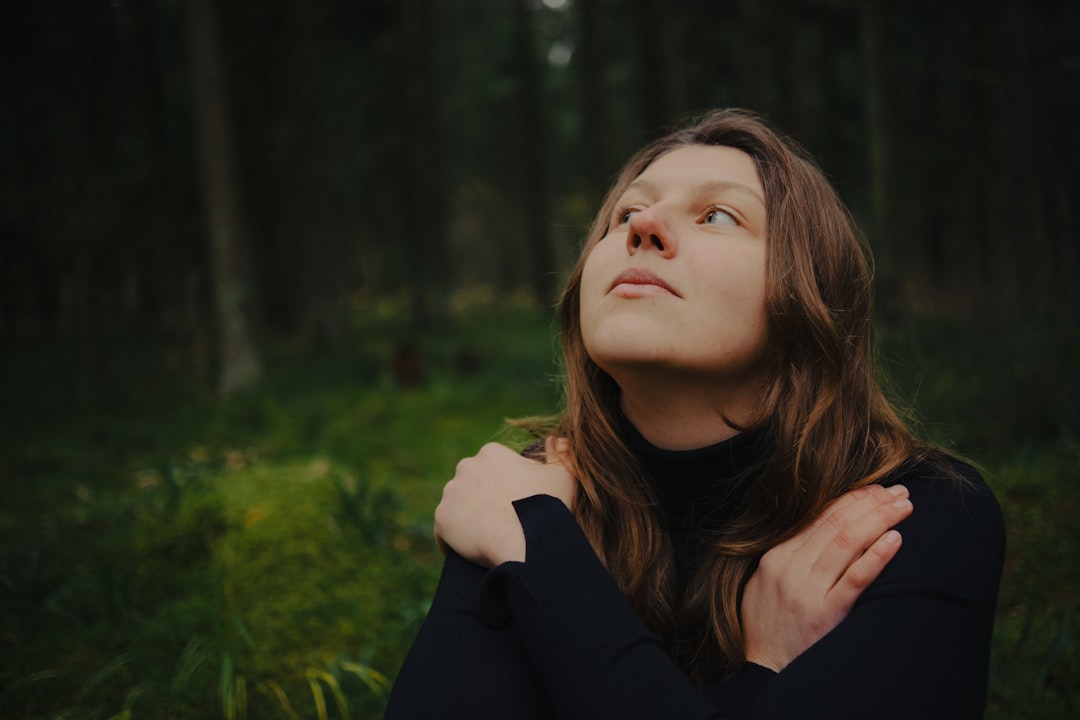
When anxiety hits, it can feel like an uninvited guest that just won’t leave. Many of us have learned to tackle this intruder with the help of simple breathing techniques, but what if you’re ready to take your practice to the next level? Let’s dive into some advanced breathing techniques that can help you achieve a deeper sense of calm and relief from anxiety.
Why Advanced Breathing Techniques?
You’ve probably heard about basic breathing exercises like box breathing or the 4-7-8 technique. But as you become more experienced, you might find that these methods don’t quite cut it anymore. Advanced techniques offer a deeper, more nuanced approach to anxiety relief. They’re not just about changing the way you breathe; they’re about transforming your entire state of being.
The Power of Diaphragmatic Breathing
Let’s start with diaphragmatic breathing, also known as belly breathing. This technique focuses on the diaphragm, a powerful muscle that helps draw air deep into your lungs.
How to Practice Diaphragmatic Breathing
Lie on your back with your knees bent or sit comfortably in a chair. Place one hand on your chest and the other on your belly. Breathe in slowly through your nose, letting your belly push your hand up. Your chest should remain relatively still. Exhale slowly through pursed lips, feeling your belly lower. Aim for 5-10 minutes of practice daily.
Resonant Breathing for Balance
Resonant breathing, or coherent breathing, helps synchronize your heart rate and breath. This technique can bring a profound calmness and is often used in yoga and meditation practices.
Mastering Resonant Breathing
Start by inhaling and exhaling gently through your nose, aiming for a rate of five breaths per minute. This means each inhale and exhale should last about six seconds. Use a timer or metronome app to keep track of your pace. As you get comfortable, you’ll find a natural rhythm that brings peace.
Ujjayi Breathing — The Victorious Breath
Ujjayi breathing, often called the ‘ocean breath’ for its sound, is a yogic technique that can help control your breath and focus your mind.
Steps to Practice Ujjayi Breathing
Sit comfortably and inhale deeply through your nose, partially closing your throat as if fogging a mirror. Exhale slowly through your nose while maintaining the slight throat constriction. The sound should resemble ocean waves. Practice this breath for 5-10 minutes, focusing on the sound and sensation.
Combining Techniques for Deep Relief
Advanced practitioners can benefit from combining these techniques. For instance, start with diaphragmatic breathing to relax your body, move into resonant breathing to find a steady rhythm, and finish with Ujjayi to deepen focus and calm.
Real-Life Application
Consider the case of Sarah, a busy professional who struggled with anxiety. By integrating these advanced breathing techniques into her daily routine, she found that her anxiety attacks became less frequent and less intense. She dedicated 20 minutes each morning to practice, which helped set a calm tone for her day.
Final Thoughts
Remember, the key to mastering these techniques is patience and consistency. Like building a muscle, developing your breath control takes time. Don’t get discouraged if you don’t see immediate results. Keep practicing, and over time, you’ll likely notice a significant improvement in how you manage anxiety.
For more in-depth guides and resources, consider exploring Calm Health Blog for practical wellness strategies tailored for your busy lifestyle.
Photo by Hanna Lazar on Unsplash
Leave a Reply