Category: Natural Remedies

  • How to Make Herbal Anxiety Remedies at Home Without Special Equipment

    How to Make Herbal Anxiety Remedies at Home Without Special Equipment

    In today’s fast-paced world, managing anxiety effectively can be a challenge, especially when time and resources are limited. Fortunately, you can make herbal anxiety remedies at home using common household items, allowing you to create calming solutions without the need for specialized equipment. This guide provides practical, step-by-step instructions to help you harness the anxiety-reducing power of herbs in the comfort of your own kitchen.

    Quick Answer: You can make herbal anxiety remedies at home by using readily available kitchen items to create teas, infusions, and tinctures that soothe your mind and body.

    What You’ll Need

    Before you begin, gather the following items to ensure a smooth process:

    • Herbs: Chamomile, lavender, and lemon balm are excellent choices for anxiety relief.
    • Water: Essential for creating teas and infusions.
    • Basic kitchen tools: Saucepan, strainer, measuring cup, and a jar with a lid.
    • Optional: Honey or lemon for added flavor and benefits.

    How to Make Herbal Anxiety Remedies at Home

    Follow these steps to create simple yet effective herbal remedies that promote relaxation and peace of mind.

    1. Select Your Herbs: Begin by choosing herbs known for their calming properties. Chamomile, with its mild sedative effects, is a great starting point. Lavender and lemon balm are also popular for their soothing qualities.

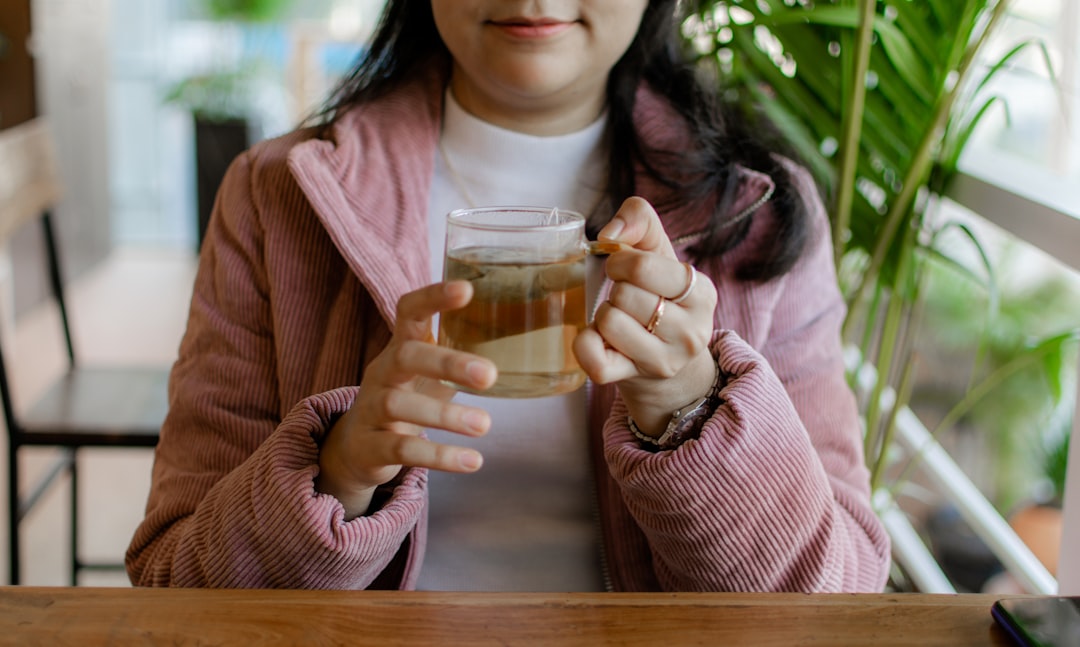
    2. Prepare Your Base: Boil water in a saucepan. Use fresh, filtered water to ensure the best-tasting brew. Once boiling, pour it over your chosen herbs in a heat-resistant jar, using about one tablespoon of dried herbs per cup of water.

    3. Steep the Herbs: Allow the herbs to steep for 5 to 10 minutes. Cover the jar with a lid to trap the steam and preserve the essential oils. The longer the steeping time, the stronger the infusion.

    4. Strain and Serve: Use a strainer to remove the herbs from the liquid, pouring the infusion into a cup. Add honey or a slice of lemon for additional flavor and health benefits.

    5. Store Leftovers: If you have extra infusion, store it in the refrigerator for up to 24 hours. Reheat as needed, but avoid boiling to preserve the herbal properties.

    Tips and Common Mistakes

    • Tip: Experiment with different herb combinations to find your preferred flavor and effect.
    • Common Mistake: Avoid using too many herbs at once, as this can lead to an overpowering taste and reduce effectiveness.
    • Tip: Always start with small amounts of herbs to gauge your body’s reaction, especially if you are new to herbal remedies.
    • Common Mistake: Don’t steep the herbs for too long as it can result in a bitter taste.

    By following these simple steps, you can effectively make herbal anxiety remedies at home, enhancing your stress management routine without the need for complex equipment or processes. This approach not only empowers you to take charge of your well-being but also integrates seamlessly into a busy lifestyle. Now, you can enjoy the calming benefits of herbal infusions whenever you need them, using ingredients you likely already have in your kitchen.

    Photo by Vitaly Gariev on Unsplash
  • Freelancer Salary Guide 2026: Maximizing Income with Herbal Expertise

    Freelancer Salary Guide 2026: Maximizing Income with Herbal Expertise

    The herbal industry is blossoming with opportunities for freelancers, particularly those with expertise in anxiety remedies. As we look towards 2026, understanding how to maximize income in this niche can be a game-changer. This guide will explore the freelancer salary potential in the herbal industry for 2026, offering insights into leveraging herbal expertise for better pay.

    Understanding the Herbal Industry Landscape

    Before diving into freelancer salary specifics, it’s crucial to grasp the broader context of the herbal industry. The global market for herbal supplements and remedies is expected to continue its growth trajectory, driven by increasing consumer interest in natural health solutions. This trend is particularly pronounced in the realm of mental health and anxiety management, where herbal remedies offer a compelling alternative to pharmaceuticals.

    Key Drivers of Growth

    • Consumer Demand: A growing number of people are turning to herbal solutions for anxiety, seeking natural, side-effect-free options.
    • Scientific Validation: Increasing research supports the efficacy of herbs like ashwagandha, valerian root, and passionflower in managing anxiety.
    • Regulatory Support: Many countries are recognizing the importance of herbal solutions, providing a supportive regulatory environment that encourages market growth.

    Freelancer Salary in the Herbal Industry 2026

    Freelancers with expertise in herbal remedies, particularly those focused on anxiety, are poised to benefit from this expanding market. Let’s discuss how to maximize your income potential in this niche as we approach 2026.

    Leveraging Expertise for Better Pay

    Specializing in herbal anxiety solutions can set you apart in a crowded marketplace. Here are some strategies to enhance your earning potential:

    • Diversify Your Services: Offer a range of services such as consultation, content creation, and product development advice to tap into different revenue streams.
    • Build a Strong Portfolio: Showcase your previous work and success stories in managing anxiety with herbal remedies to attract high-paying clients.
    • Network Within the Industry: Attend industry conferences, engage with online communities, and collaborate with other professionals to increase your visibility and opportunities.

    Setting Competitive Rates

    To set competitive rates, freelancers should consider the following:

    • Market Rates: Research what other freelancers in the herbal industry are charging to ensure your rates are competitive yet rewarding.
    • Experience and Expertise: Charge a premium for specialized knowledge in herbal anxiety solutions, particularly if supported by certifications or significant experience.
    • Value-Based Pricing: Instead of charging by the hour, consider value-based pricing that reflects the outcomes and benefits your expertise brings to clients.

    Challenges and Opportunities

    While the potential is significant, freelancers in the herbal industry may face challenges such as regulatory changes and market saturation. However, these challenges also present opportunities for those who can adapt and innovate.

    Adapting to Regulatory Changes

    Stay informed about changes in regulations affecting herbal products. This knowledge not only helps you advise clients accurately but also positions you as a trusted expert who can navigate complex legal landscapes.

    Innovating to Stay Ahead

    Innovation is key in maintaining a competitive edge. Experiment with new formats for your services, such as virtual workshops or personalized herbal remedy kits, to meet evolving consumer needs.

    Conclusion — Positioning Yourself for Success in 2026

    As we look towards 2026, the potential for freelancers in the herbal industry, especially those with expertise in anxiety solutions, is bright. By understanding the market dynamics, leveraging your expertise, and staying adaptable, you can maximize your freelancer salary in this burgeoning field. Embrace the opportunities that lie ahead and position yourself as a leader in herbal anxiety management, ensuring a rewarding and impactful career.

    Photo by Katie Harp on Unsplash

  • Herbal Tea vs Capsules for Anxiety: What Works Better in 2026?

    Herbal Tea vs Capsules for Anxiety: What Works Better in 2026?

    In the quest for natural anxiety relief, many people find themselves choosing between herbal tea and capsules. Understanding the benefits and drawbacks of each can be crucial for those seeking effective solutions. This comparison is designed for individuals looking to manage anxiety through herbal remedies, providing clarity on which option might better suit their lifestyle and needs.

    Understanding Herbal Tea vs Capsules for Anxiety

    Herbal Tea: Herbal teas have been used for centuries as a natural remedy for calming nerves and reducing anxiety. The process of brewing and sipping a warm cup of tea itself is a mindful practice that can promote relaxation. Common ingredients like chamomile, lavender, and lemon balm are known for their calming properties, making them popular choices for anxiety relief.

    Herbal Capsules: Capsules offer a convenient and efficient way to consume herbal remedies. They often contain concentrated extracts of herbs, ensuring that you get a potent dose without the need to prepare a tea. Ashwagandha and valerian root are examples of herbs commonly found in capsule form, known for their effectiveness in alleviating anxiety symptoms.

    Convenience and Accessibility

    When it comes to convenience, herbal capsules are generally more accessible. They are pre-measured and easy to carry, making them ideal for busy individuals who may not have time to brew tea. On the other hand, preparing herbal tea requires time and equipment, which might not be feasible for everyone, especially those with hectic schedules.

    Absorption and Efficacy

    The absorption rate of herbal remedies can differ significantly between teas and capsules. The warm liquid of herbal teas can facilitate faster absorption and immediate calming effects due to the act of drinking hot liquid. Capsules, while potent, may take longer to digest and metabolize, potentially delaying their effects. However, the concentration in capsules often leads to more consistent dosing and potentially stronger results over the long term.

    Sensory Experience

    Herbal teas offer a sensory experience that capsules simply cannot replicate. The aroma and warmth of a freshly brewed tea can enhance the relaxation experience, benefiting not just the body but also the mind. This ritualistic aspect of tea drinking can be particularly soothing for those who enjoy taking a moment to unwind. Conversely, capsules are more straightforward and lack the sensory engagement that tea provides.

    Cost and Availability

    In terms of cost and availability, herbal teas are often more affordable and widely available. They can be purchased in most grocery stores and even prepared at home using bulk herbs. Capsules, while available in health food stores and online, tend to be more expensive due to their concentrated nature and the processing required to produce them.

    Verdict — Choosing Between Herbal Tea and Capsules

    Ultimately, the choice between herbal tea and capsules for anxiety relief depends on individual preferences and lifestyle. If you value the sensory experience and have the time to enjoy a calming ritual, herbal tea might be the best option for you. However, if convenience and consistent dosing are more important, capsules could be the way to go. Each option has its strengths, and the decision should align with your personal needs and daily routine.

    In conclusion, both herbal tea and capsules offer viable pathways to anxiety relief. Whether you prefer the meditative process of brewing tea or the ease of popping a capsule, each serves a purpose in helping manage anxiety naturally. By understanding the differences, you can make an informed choice that aligns with your lifestyle, ensuring you reap the maximum benefits of herbal remedies for anxiety.

    Photo by Pramod Tiwari on Unsplash

  • How to Use Herbal Oils for Anxiety Without Side Effects

    How to Use Herbal Oils for Anxiety Without Side Effects

    Anxiety can be a challenging companion, often demanding attention when we least want it. For those seeking natural ways to manage this overwhelming emotion, herbal oils offer a promising solution. Learning how to use herbal oils for anxiety can provide relief without the side effects commonly associated with pharmaceuticals.

    For individuals eager to explore this path, the quick answer is that herbal oils can be safely used for anxiety relief by selecting high-quality oils, using them in appropriate doses, and incorporating them into daily routines thoughtfully.

    What You Need to Start

    • Essential Oils: Choose oils known for their calming properties, such as lavender, chamomile, and bergamot.
    • Carrier Oils: Jojoba or coconut oil are excellent for diluting essential oils to prevent skin irritation.
    • A Diffuser: Useful for aromatic benefits.
    • Roller Bottles: Handy for creating personalized blends for on-the-go use.
    • Knowledge of Essential Oil Safety: Essential for minimizing risks and maximizing benefits.

    Step-by-Step Guide to Using Herbal Oils for Anxiety

    1. Select Your Oils: Start by choosing oils that are reputed for their calming effects. Lavender is popular for its soothing qualities, while chamomile is known for its ability to reduce stress and promote relaxation.
    2. Test for Allergies: Before applying any oil to your skin, conduct a patch test. Mix a drop of essential oil with a carrier oil and apply it to a small area of your skin. Wait 24 hours to ensure there’s no adverse reaction.
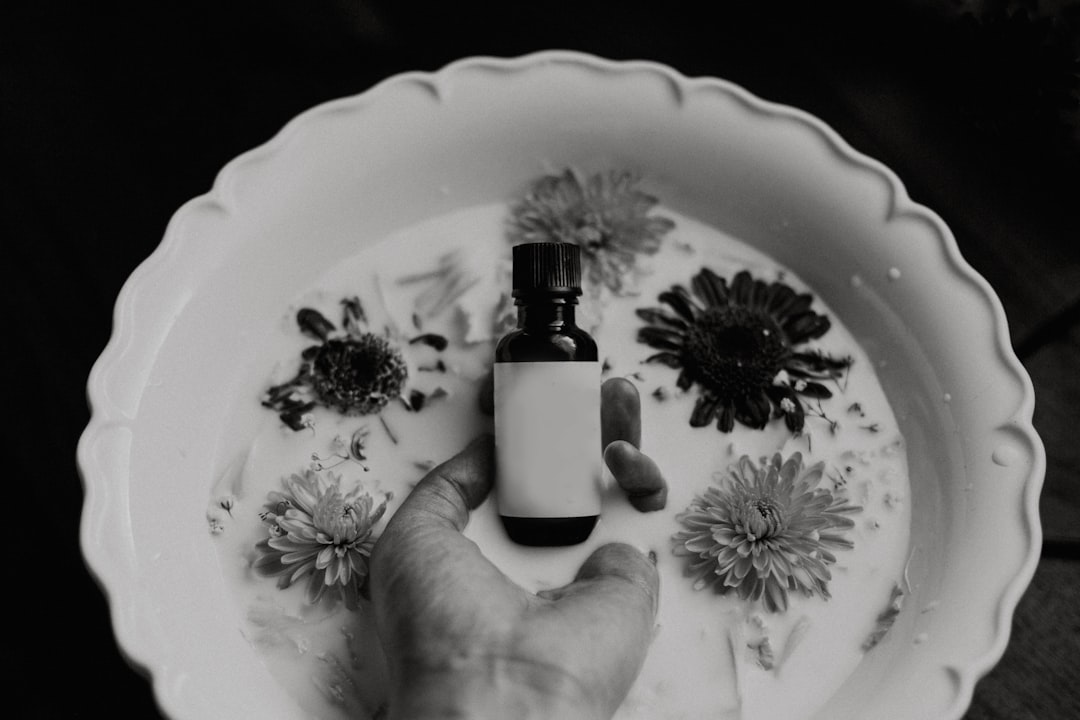
    3. Create Your Blend: In a small roller bottle, combine 10-15 drops of essential oil with a carrier oil. This dilution is crucial to avoid skin irritation.
    4. Apply to Pulse Points: Use your blend on pulse points such as wrists, temples, and behind the ears. These areas help disperse the aroma, offering a calming effect that can help manage anxiety.
    5. Utilize a Diffuser: Add a few drops of your chosen oil to a diffuser. Let the aromatic mist fill your space, creating a tranquil environment that supports relaxation and stress reduction.
    6. Incorporate into Your Routine: Use your oils during moments of stress or as part of a daily ritual, such as before meditation or bedtime, to help maintain a consistent state of calm.

    Tips and Common Mistakes to Avoid

    • Avoid Overuse: Essential oils are potent. Overuse can lead to sensitization or adverse reactions. Stick to recommended doses.
    • Don’t Skip Dilution: Always dilute essential oils with a carrier oil before applying them to your skin to prevent irritation.
    • Mind the Quality: Not all oils are created equal. Invest in high-quality, therapeutic-grade oils for the best results.
    • Be Cautious with Internal Use: Never ingest essential oils unless under the guidance of a certified aromatherapist.

    By understanding how to use herbal oils for anxiety, you can harness their natural properties to improve your emotional well-being. The steps outlined provide a practical framework for integrating these oils safely and effectively into your daily life. With this knowledge, you’re better equipped to manage anxiety, creating a calmer, more balanced existence.

    Photo by Priscilla Du Preez 🇨🇦 on Unsplash

  • Best Free Herbal Apps for Anxiety Management in 2026

    Best Free Herbal Apps for Anxiety Management in 2026

    In today’s fast-paced world, managing anxiety effectively is crucial for maintaining mental well-being. While there are numerous approaches to anxiety management, herbal remedies have gained significant attention for their natural and holistic benefits. With the proliferation of mobile apps, finding the best free herbal apps for anxiety can offer convenient access to these remedies and support your wellness journey.

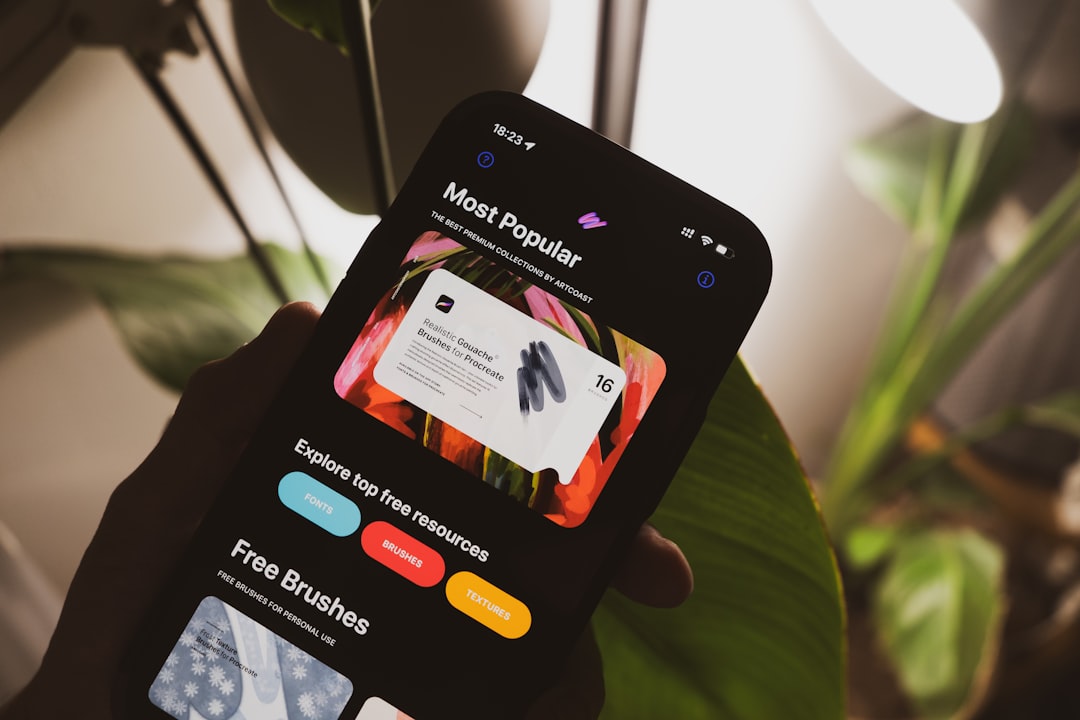
    For those seeking a quick solution, HerbWell stands out as a top choice. This app combines user-friendly features with comprehensive information on a wide range of herbs, making it an excellent starting point for anyone looking to explore herbal anxiety solutions.

    Top 5 Best Free Herbal Apps for Anxiety

    1. HerbWell

    HerbWell provides an extensive database of herbs known for their calming effects, such as lavender, chamomile, and valerian root. The app offers detailed profiles, including scientific studies and user testimonials, to help you understand each herb’s potential benefits. What sets HerbWell apart is its personalized recommendations based on your anxiety levels and preferences, ensuring a tailored approach to your needs.

    2. CalmHerb

    CalmHerb focuses on simplicity and ease of use, offering a streamlined interface that allows users to quickly access information about various herbs. It includes guided tutorials on preparing herbal infusions and tinctures, making it a practical tool for beginners. The app also features a community forum where users can share experiences and tips, fostering a supportive environment for those managing anxiety.

    3. PlantMind

    PlantMind integrates herbal knowledge with mindfulness practices, offering a unique approach to anxiety management. The app provides guided meditation sessions that incorporate the use of specific herbs to enhance relaxation. With its holistic focus, PlantMind encourages users to cultivate a balanced lifestyle, blending herbal remedies with mindfulness techniques for comprehensive anxiety relief.

    4. NatureEase

    NatureEase is designed for those who appreciate data-driven insights. The app features a robust collection of scientific articles and research studies on herbal treatments for anxiety. Users can explore the latest findings and track their progress using the app’s personalized tracking tools. NatureEase’s emphasis on evidence-based information makes it a valuable resource for anyone interested in the science behind herbal remedies.

    5. HerbConnect

    HerbConnect offers an interactive experience by allowing users to connect with herbalists and wellness experts. The app hosts live Q&A sessions and webinars where users can learn from professionals and ask questions about specific herbal remedies. HerbConnect’s community-driven approach ensures that users receive expert guidance and support as they navigate their anxiety management journey.

    App Key Feature Unique Selling Point
    HerbWell Personalized recommendations Comprehensive herb profiles
    CalmHerb Guided tutorials User community forum
    PlantMind Mindfulness integration Guided meditation sessions
    NatureEase Scientific articles Evidence-based insights
    HerbConnect Expert connections Live Q&A sessions

    Choosing the right app depends on your personal preferences and needs. If you value a comprehensive understanding of herbs, HerbWell is an excellent choice. For those new to herbal remedies, CalmHerb offers practical guidance and community support. If you’re interested in blending mindfulness with herbal treatments, PlantMind provides a synergistic approach. For data enthusiasts, NatureEase offers a wealth of scientific knowledge, while HerbConnect is perfect for those seeking expert advice and community interaction. No matter your choice, these apps can serve as valuable tools in your journey towards anxiety management through natural herbal solutions.

    Photo by Dmitry Mashkin on Unsplash

  • Advanced Herbal Blending Techniques for Anxiety Relief

    Advanced Herbal Blending Techniques for Anxiety Relief

    Hey there, fellow wellness explorer! If you’ve ever felt the jittery claws of anxiety, you’re in good company. And if you’re looking for natural ways to ease those nerves, herbal remedies might just be your new best friend. Today, we’re diving into the realm of advanced herbal blending techniques for anxiety relief. It’s all about crafting your personalized herbal concoctions to help manage anxiety. Let’s get started!

    Understanding the Basics of Herbal Remedies

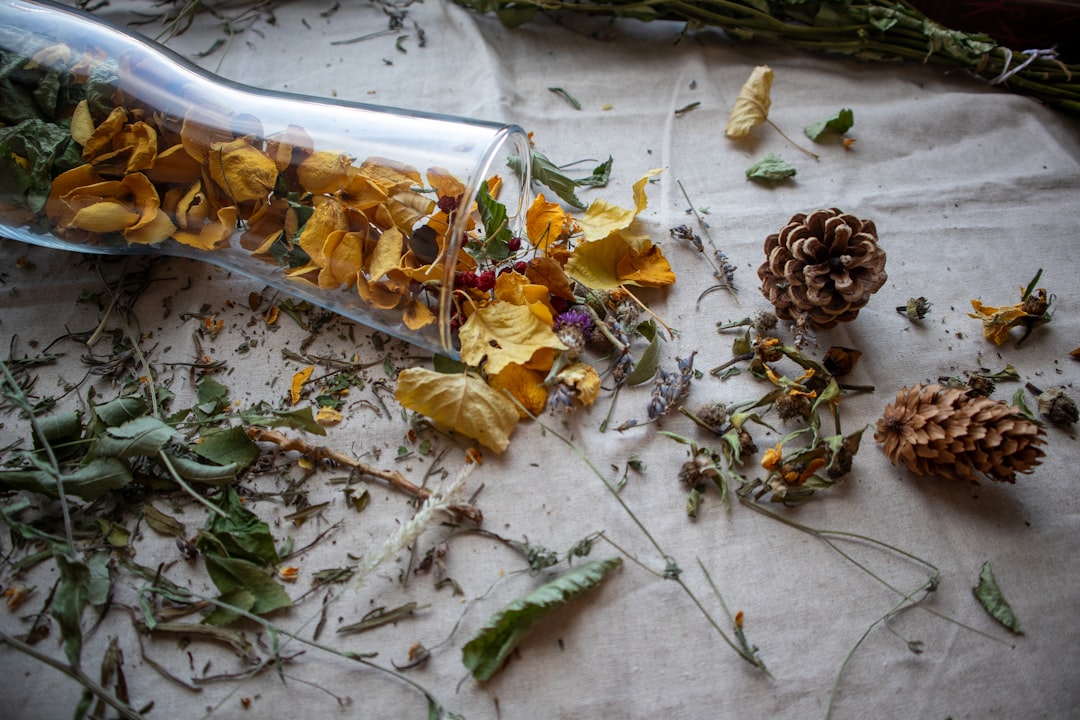
    Before we jump into the art of blending, let’s take a moment to understand what makes herbs such potent allies in combating anxiety. Herbs have been used for centuries across various cultures for their calming properties. Think of them as nature’s gentle healers. Some common herbs known for their anxiety-soothing effects include chamomile, lavender, valerian root, and passionflower.

    The Science Behind Herbal Blends

    So, why blend? Each herb has unique properties, and when combined, they can complement each other to enhance their overall effectiveness. This is similar to how different notes in a perfume create a harmonious scent. In herbalism, this synergy is called the ‘entourage effect.’ Essentially, the right blend can amplify the calming effects of each individual herb, providing a more comprehensive approach to anxiety relief.

    Getting Started with Herbal Blending

    Ready to mix your first blend? Here are some steps to guide you:

    1. Identify Your Needs

    Start by understanding your specific anxiety triggers. Is it work-related stress or social anxiety? Knowing the root cause helps in picking the right herbs.

    2. Choose Your Base Herb

    Select a base herb known for its calming effects. Chamomile and lavender are great starting points due to their gentle nature and wide acceptance.

    3. Add Complementary Herbs

    Next, choose one or two complementary herbs that specifically address your anxiety type. For instance, if you experience anxiety that disrupts sleep, valerian root can be a great addition.

    4. Experiment with Ratios

    Start with a simple ratio, such as 2:1 for your base to complementary herbs. Adjust based on how your body responds. Remember, herbal blending is both an art and a science.

    Practical Blending Examples

    Let’s make this concrete with a few examples. Here are sample blends for different anxiety scenarios:

    • For General Anxiety: 2 parts chamomile, 1 part passionflower
    • For Social Anxiety: 2 parts lavender, 1 part lemon balm
    • For Anxiety-Induced Insomnia: 2 parts valerian, 1 part hops

    How to Use Your Herbal Blend

    Once you’ve crafted your blend, there are several ways to incorporate it into your daily routine:

    Herbal Teas

    One of the simplest methods is to brew your blend as a tea. Pour hot water over your herbs and let them steep for about 10 minutes. Sip slowly and enjoy the calming ritual.

    Tinctures

    If you prefer something more potent, consider making a tincture. This involves soaking your herbs in alcohol or glycerin for several weeks to extract their active compounds.

    Herbal Baths

    For a soothing end to a stressful day, add your herbal blend to a bath. The steam will help release the herbs’ calming properties, creating a spa-like experience at home.

    Safety Considerations and Final Thoughts

    While herbal remedies are generally safe, it’s crucial to consult with a healthcare provider, especially if you’re pregnant, nursing, or taking medication. Remember, everyone’s body reacts differently, so what works for one person might not work for another.

    Herbal blending is a personal journey. It’s about finding what resonates with you and tailoring it to your needs. With patience and a bit of experimentation, you’ll craft blends that bring you peace and calm. Here’s to a more serene, balanced life!

    Photo by Rita K on Unsplash

  • Case Study: Success Stories Using Herbal Remedies for Anxiety

    Case Study: Success Stories Using Herbal Remedies for Anxiety

    Imagine a world where anxiety doesn’t dictate your day-to-day life. For many, this world exists through the use of herbal remedies. In this piece, we’ll explore real-life stories of individuals who have harnessed the power of herbs to manage their anxiety effectively. These stories offer not just hope, but actionable insights into how you might incorporate similar strategies into your own wellness journey.

    Discovering Herbal Pathways to Calm

    Before diving into these personal accounts, let’s set the stage. Herbal remedies have been used for centuries across diverse cultures to address a range of mental health issues, including anxiety. Herbs like chamomile, lavender, and valerian root are often cited for their calming properties. But how do they work in real life? Let’s find out.

    Emily’s Journey with Passionflower

    Meet Emily, a 35-year-old marketing executive who found herself constantly on edge. Her high-stress job coupled with personal challenges led to sleepless nights and persistent anxiety. After trying traditional routes with limited success, Emily turned to passionflower, a herb known for its calming effects.

    “I was skeptical at first,” Emily admits. “But after a few weeks of taking a passionflower supplement, I noticed a significant drop in my anxiety levels. I felt more at peace and could finally get a good night’s sleep.”

    Emily’s experience underscores the potential benefits of integrating herbal supplements into one’s routine. She now combines passionflower with meditation and reports a more balanced life.

    John’s Success with Ashwagandha

    Next, let’s talk about John, a 28-year-old software developer who struggled with anxiety, particularly during project deadlines. John chose to try ashwagandha, an adaptogen known for its stress-reducing properties.

    John shares, “The effect wasn’t immediate, but over a few months, I noticed I handled stress better. I was more focused and less prone to panic. Ashwagandha became a key part of my stress management toolkit.”

    John’s story highlights how patience and consistency with herbal remedies can yield positive outcomes. He also emphasizes the importance of consulting with a healthcare provider before starting any new supplement.

    Sarah’s Lavender Infusion

    For Sarah, a 42-year-old teacher, anxiety was an unwelcome companion that often followed her into the classroom. She opted for lavender, a herb widely recognized for its soothing properties.

    Sarah started using lavender essential oil in a diffuser during her evening routines. “It became a ritual,” she explains. “The scent helped me unwind after a long day, and I noticed a calmer start to the next day.”

    Sarah’s approach shows how small habitual changes can lead to significant improvements in managing anxiety. She also experimented with lavender-infused teas, further integrating the herb into her daily life.

    Key Takeaways from Their Stories

    • Start with Research: Before diving into any herbal remedy, it’s crucial to understand its properties and potential interactions with other medications.
    • Consult a Professional: Always check with a healthcare provider to ensure that the chosen herb is safe and appropriate for your specific needs.
    • Be Patient: Herbal remedies often take time to manifest their full benefits. Consistency and patience are key.
    • Combine with Lifestyle Changes: Herbs can be more effective when combined with other healthy lifestyle practices like exercise, mindfulness, and proper nutrition.

    Conclusion — A Personal Path to Peace

    These stories of Emily, John, and Sarah illustrate the diverse ways herbal remedies can be integrated into a wellness routine to manage anxiety. While herbs are not a one-size-fits-all solution, they offer a natural alternative that many find beneficial. Whether you’re considering trying herbs or are already using them, remember that managing anxiety is a personal journey. The key is finding what works best for you.

    For those interested in exploring these options further, resources like calmhealth.blog provide a wealth of information on creating sustainable self-care systems. Remember, the journey to mental wellness is uniquely yours, and every step forward is a victory.

    Photo by Ashley Inguanta on Unsplash

  • DIY Herbal Infusions: Recipes for Reducing Anxiety

    DIY Herbal Infusions: Recipes for Reducing Anxiety

    Have you ever felt like the stress of daily life is too much to handle? You’re not alone. Many people experience anxiety, and while there are numerous ways to manage it, sometimes the simplest solutions are the most effective. Today, let’s explore the world of DIY herbal infusions, which are a natural and soothing way to ease anxiety.

    Understanding Herbal Infusions

    Herbal infusions are essentially teas made from herbs that are known for their therapeutic properties. Unlike regular tea, these infusions often involve steeping the herbs longer to extract more beneficial compounds. The result? A potent, aromatic brew that can help calm your mind and body.

    Why Choose Herbal Infusions for Anxiety?

    Going herbal means embracing a holistic approach to wellness. Many herbs have been used for centuries to support mental health, and there’s a growing body of scientific evidence to back up their effectiveness. Herbal infusions are easy to make, affordable, and offer a gentle, natural way to soothe anxiety without the side effects of some medications.

    Top DIY Herbal Infusions to Try

    1. Chamomile Calm

    Chamomile is one of the most popular herbs for relaxation. It’s known for its mild sedative effects, making it perfect for winding down after a stressful day.

    • Ingredients: 2 teaspoons of dried chamomile flowers, 1 cup of boiling water
    • Instructions: Steep the chamomile flowers in boiling water for 5-10 minutes. Strain and enjoy warm.

    Tip: Add a slice of lemon or a teaspoon of honey for added flavor and benefits.

    2. Lavender Serenity

    Lavender isn’t just for your pillow. Its soothing properties make it a great addition to your anxiety-reducing toolkit.

    • Ingredients: 1 teaspoon of dried lavender buds, 1 cup of boiling water
    • Instructions: Steep the lavender buds in boiling water for about 5 minutes. Strain and sip slowly.

    Note: Lavender can be potent, so start with a small amount and adjust to taste.

    3. Passionflower Peace

    Known for its calming effects, passionflower is often used to treat anxiety and insomnia. It’s perfect for an evening infusion.

    • Ingredients: 1 teaspoon of dried passionflower, 1 cup of boiling water
    • Instructions: Let the passionflower steep in boiling water for 10 minutes. Strain and relax with each sip.

    Important: Consult with a healthcare provider if you’re pregnant or on medication, as passionflower can interact with certain drugs.

    Making the Most of Your Herbal Infusions

    To get the most out of your herbal infusions, create a calming ritual around your tea time. Set aside a quiet moment, perhaps with a book or some gentle music, to truly unwind. Savor the aroma and taste, and let the herbs work their magic.

    Experiment and Personalize

    Feel free to mix and match different herbs to create a blend that suits your personal preferences and needs. Some popular combinations include chamomile and mint for cooling relaxation or lavender and lemon balm for a fragrant twist.

    Conclusion

    DIY herbal infusions offer a simple yet effective way to manage anxiety. By incorporating these natural remedies into your routine, you can create a personalized approach to wellness that supports your mental health. Remember, the journey to calmness is personal, and with a bit of experimentation, you can find the perfect brew that brings peace to your busy life.

    Ready to start your journey with herbal infusions? Visit Calm Health Blog for more tips and recipes on natural wellness.

    Photo by Elena Leya on Unsplash

  • Herbal Anxiety Relief: Myths vs. Facts

    Herbal Anxiety Relief: Myths vs. Facts

    Feeling anxious? You’re not alone. Many people turn to herbal remedies for relief, hoping to find a natural solution to their anxiety. But how effective are these herbs really? Today, we’re diving deep into the world of herbal anxiety relief to separate the myths from the facts. Let’s explore what works, what doesn’t, and why.

    Understanding the Appeal of Herbal Remedies

    Herbal remedies have been used for centuries across different cultures, promising a natural path to calmness and peace. They often appeal to those who prefer to avoid pharmaceuticals and their potential side effects. But are these remedies truly effective, or are they just part of a longstanding tradition? To answer this, we need to dissect some of the most popular herbs used for anxiety relief.

    Commonly Used Herbs — Myth vs. Fact

    Valerian Root

    Valerian root is often touted as a miracle herb for anxiety and sleep issues. It’s said to work by increasing levels of a neurotransmitter called gamma-aminobutyric acid (GABA) in the brain, which helps to calm nervous activity. But here’s the catch—while some studies suggest it can be mildly effective for improving sleep, its impact on anxiety is less clear. A study published in the journal *Complementary Therapies in Medicine* found only marginal benefits in reducing anxiety symptoms. So, while valerian root might help you catch some Z’s, it may not be the anxiety cure-all some claim it to be.

    Kava

    Kava has gained popularity as an anxiety-relieving herb, with some studies supporting its effectiveness. It works by affecting the limbic system, the part of the brain linked to emotions. According to a clinical trial published in the *Journal of Clinical Psychopharmacology*, kava can significantly reduce anxiety symptoms. However, there’s a significant caveat—kava has been associated with serious liver damage in some cases. Therefore, it’s crucial to approach this herb with caution and consult a healthcare provider before use.

    Passionflower

    Passionflower is often recommended for anxiety relief, with claims of effectiveness dating back to Native American tribes. The herb is believed to increase GABA levels in the brain, promoting relaxation. However, scientific evidence is mixed. A review in the *Journal of Clinical Pharmacy and Therapeutics* suggests that while passionflower may help with anxiety, more rigorous studies are needed to confirm its efficacy. It’s a classic case of ‘it might help, but don’t bank on it.’

    Herbal Myths — What to Watch Out For

    Myths about herbal remedies often arise from anecdotal evidence or historical use rather than scientific validation. Here are a few misconceptions that deserve a closer look:

    • All natural means safe: Just because something is natural doesn’t mean it’s safe. Herbs can interact with medications or have side effects. Always consult with a healthcare provider.
    • Herbs are quick fixes: Herbal remedies are not magic bullets. They might provide some relief, but they’re often more effective when used as part of a broader anxiety management plan.
    • One-size-fits-all solution: Just like with any treatment, what works for one person might not work for another. Effectiveness can vary greatly depending on individual factors.

    Integrating Herbal Remedies into a Holistic Plan

    So, should you ditch herbal remedies altogether? Not necessarily. When used mindfully and in conjunction with other anxiety management strategies, herbs can be a part of a holistic plan. Here’s how to do it right:

    • Start small: If you decide to try an herbal remedy, begin with a low dose and monitor how your body responds.
    • Combine with lifestyle changes: Integrate herbs with practices like mindfulness, regular exercise, and a balanced diet for a more comprehensive approach.
    • Consult professionals: Always discuss with a healthcare provider or a certified herbalist, especially if you are taking other medications.
    • Stay informed: Keep up with the latest research to understand what is scientifically supported and what remains speculative.

    Final Thoughts

    Herbal remedies for anxiety offer potential benefits, but they’re not a panacea. By understanding the myths and facts surrounding these natural treatments, you can make informed decisions about your mental health. Remember, the best approach is often a balanced one, combining herbs with other proven anxiety-relief techniques. So, take a deep breath, stay curious, and approach your anxiety management journey with an open mind and a critical eye.

    Photo by Peter Burdon on Unsplash

  • How to Safely Incorporate Herbal Remedies into Your Routine

    How to Safely Incorporate Herbal Remedies into Your Routine

    Imagine coming home after a long day, your mind buzzing like a hive of bees. You crave peace, a moment to breathe. This is where herbal remedies can play a gentle, supportive role in your routine. But before diving into the world of herbs, it’s essential to understand how to use them safely and effectively.

    Understanding Herbal Remedies

    Herbal remedies have been used for centuries across different cultures to support mental well-being. They are derived from plants and can come in various forms such as teas, tinctures, capsules, or essential oils. However, just because something is natural doesn’t automatically make it safe for everyone. It’s important to respect their power and potential interactions with other medications or conditions.

    Why Consider Herbal Remedies for Anxiety?

    Herbs can be a gentle way to complement other anxiety management strategies. They can help soothe your nervous system, promote relaxation, and even improve sleep quality. Some popular herbs known for their calming effects include lavender, chamomile, valerian root, and passionflower. Each of these has unique properties that can help ease anxiety symptoms.

    Steps to Safely Incorporate Herbal Remedies

    1. Do Your Research

    Before using any herbal remedy, research its effects, benefits, and potential side effects. Reliable sources like The National Center for Complementary and Integrative Health offer valuable information. Understanding the science behind a herb can help you make informed decisions.

    2. Consult with a Healthcare Provider

    It’s crucial to talk with a healthcare provider, especially if you’re already on medication or have a chronic condition. They can help ensure that the herbs you choose don’t interfere with your current treatments. For instance, St. John’s Wort is a common herb that may interact with various medications, potentially reducing their effectiveness.

    3. Start with a Single Herb

    Begin with one herb to monitor how your body reacts. This approach allows you to pinpoint any side effects or interactions. Starting with a single herb, like chamomile tea, can be a gentle introduction to herbal remedies.

    4. Choose the Right Form

    Herbs come in many forms, each offering different benefits. For example, teas are easy to prepare and provide a calming ritual, while tinctures are more concentrated and require careful dosing. Decide what fits best into your routine and lifestyle.

    5. Monitor Your Response

    After introducing an herb, pay attention to how you feel, both mentally and physically. Keep a journal to note any changes in your anxiety levels, sleep patterns, or mood. This record will help you assess the herb’s effectiveness.

    Real-Life Example — Emily’s Experience with Lavender

    Take Emily, a busy professional who struggled with evening anxiety. After consulting with her doctor, she decided to try lavender essential oil. She added a few drops to a diffuser in her bedroom each night. Over time, Emily noticed her sleep improved, and she felt less anxious at bedtime. This simple addition to her routine made a significant difference in her overall well-being.

    Potential Risks and Considerations

    While herbs can be beneficial, it’s essential to be aware of potential risks. Some herbs can cause allergic reactions or interact with medications. For example, kava, a herb used for its calming effects, has been linked to liver damage if used improperly. Always follow recommended dosages and consult a healthcare professional if in doubt.

    Final Thoughts — Integrating Herbs into Your Lifestyle

    Incorporating herbal remedies into your routine is about finding balance and listening to your body. It’s not about replacing conventional treatments but complementing them with nature’s help. By approaching herbal remedies thoughtfully and safely, you can nurture a more peaceful state of mind and improve your overall quality of life.

    Remember, the journey to wellness is personal. What works for one person might not be the perfect fit for another. Keep experimenting, stay informed, and always prioritize your health and safety.

    Photo by Luisa Brimble on Unsplash