Category: Natural Remedies

  • Best Free Herbal Blends for Quick Anxiety Relief in 2026

    Best Free Herbal Blends for Quick Anxiety Relief in 2026

    For those grappling with anxiety, finding quick and effective relief can feel like an uphill battle. The market is flooded with solutions, but many come with a hefty price tag. If you’re searching for natural and cost-effective ways to manage anxiety, exploring the best free herbal blends might be your answer. This guide will walk you through top herbal options that can offer fast, effective anxiety relief, using ingredients you may already have at home or can easily forage.

    Our top pick for anxiety relief is Chamomile and Lavender Tea. This blend combines the soothing effects of chamomile with the calming aroma of lavender, offering a powerful antidote to stress.

    Best Free Herbal Blends for Quick Anxiety Relief

    1. Chamomile and Lavender Tea

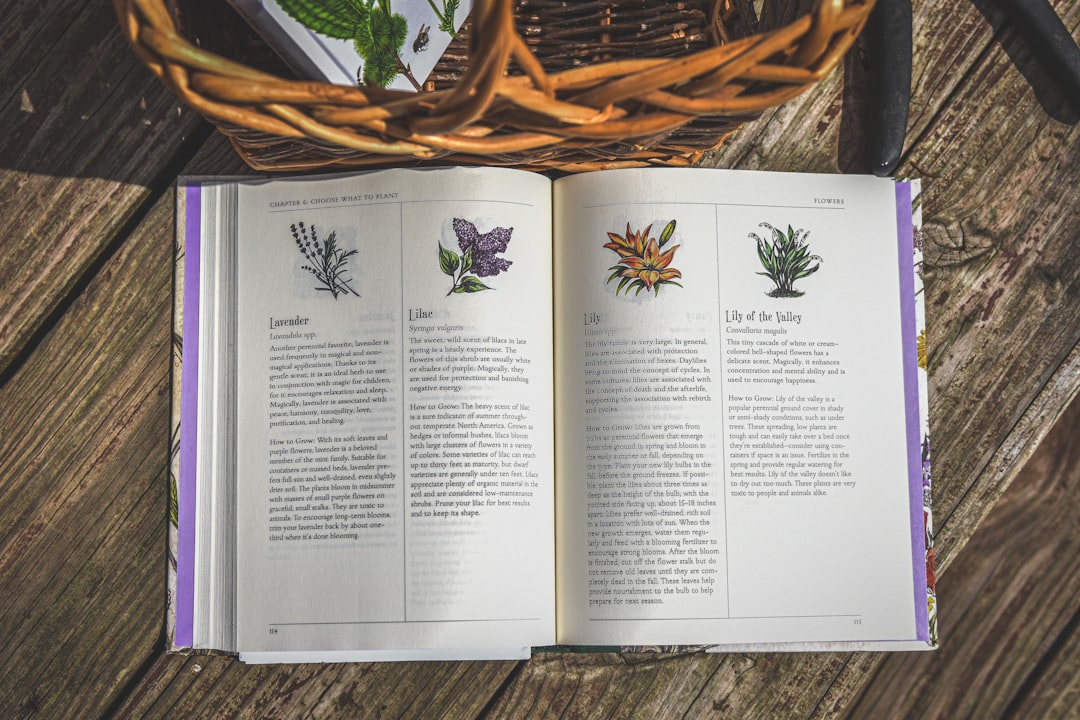
    This classic combination remains a favorite for a reason. Chamomile is renowned for its calming properties, helping to reduce stress and promote better sleep. Lavender, known for its soothing aroma, enhances relaxation and can alleviate tension headaches. To make this blend, simply steep chamomile flowers and a few lavender buds in hot water for about 5-10 minutes. Enjoy a cup before bed to unwind after a long day.

    2. Lemon Balm and Mint Infusion

    Lemon balm and mint are both herbs that thrive in many home gardens, making them an accessible option for those seeking anxiety relief. Lemon balm is known for its ability to reduce anxiety and improve mood, while mint offers a refreshing taste and aids digestion, which can sometimes be a stress trigger. Brew this blend by adding fresh lemon balm leaves and mint to hot water, letting it steep for 10 minutes. This infusion is perfect for a midday stress break.

    3. Passionflower and Valerian Root Decoction

    Passionflower is a powerful herb traditionally used to calm the mind and improve sleep quality. When combined with valerian root, which is often dubbed as nature’s tranquilizer, this blend can be particularly effective for anxiety-induced insomnia. To prepare, simmer passionflower and valerian root in water for about 20 minutes. This decoction is best enjoyed in the evening to help ease into a restful sleep.

    4. Holy Basil and Ginger Brew

    Holy basil, also known as tulsi, is an adaptogen that helps the body manage stress. Ginger, with its anti-inflammatory properties, complements holy basil by soothing the digestive system, which can be affected by stress. To create this brew, steep holy basil leaves and slices of ginger in boiling water for 15 minutes. This aromatic blend can be enjoyed at any time of day, particularly when you need a moment of calm.

    5. Rosemary and Sage Tea

    Both rosemary and sage are not only culinary herbs but are also known for their cognitive-enhancing properties, helping to improve focus and reduce mental fatigue. This combination is excellent for those who experience anxiety related to work or study stress. Simply steep a teaspoon each of dried rosemary and sage in hot water for 10 minutes. This invigorating tea can help clear your mind and improve mental resilience.

    Comparing the Best Free Herbal Blends for Anxiety

    Herbal Blend Key Benefits Best Time to Use
    Chamomile and Lavender Calms nerves, promotes sleep Evening
    Lemon Balm and Mint Improves mood, aids digestion Midday
    Passionflower and Valerian Reduces insomnia, relaxes mind Night
    Holy Basil and Ginger Manages stress, soothes digestion Anytime
    Rosemary and Sage Enhances focus, reduces fatigue Morning

    Choosing the right herbal blend depends on your specific needs and lifestyle. If you struggle with sleep, the Chamomile and Lavender or the Passionflower and Valerian blends might be ideal. For those needing a midday mood lift, Lemon Balm and Mint can be refreshing. Holy Basil and Ginger serve well as a general stress-reliever, suitable at any time. Lastly, Rosemary and Sage can sharpen your focus during demanding days. Whichever blend you choose, these free herbal options offer a natural, effective way to manage anxiety without breaking the bank.

    Photo by Zoshua Colah on Unsplash
  • Case Study — Achieving Anxiety Relief Through Herbal Blends in 2026

    Case Study — Achieving Anxiety Relief Through Herbal Blends in 2026

    In 2026, a groundbreaking approach to anxiety relief emerged, showcasing the power of personalized herbal blends. This method not only brought significant comfort to those struggling with anxiety but also underscored the importance of tailoring wellness strategies to individual needs. With more people seeking natural remedies, this case study highlights a successful journey towards achieving anxiety relief through customized herbal solutions.

    Understanding the Situation — The Starting Point of Personalized Herbal Blends

    In an era where stress and anxiety levels were at an all-time high, individuals like Emma, a 34-year-old marketing executive, began exploring alternative remedies. Traditional methods were not providing the relief she needed, and the side effects of medications were becoming overwhelming. Her journey began with a consultation at a holistic wellness center that specialized in herbal treatments.

    Identifying the Challenge — Why Traditional Methods Fell Short

    Emma’s primary challenge was managing persistent anxiety without the unwanted side effects of conventional medication. Despite trying several approaches, including therapy and mindfulness exercises, her anxiety often interfered with her daily life and professional responsibilities. The need for a natural, sustainable solution was evident as she sought an approach that could seamlessly integrate into her lifestyle.

    Implementing the Solution — Crafting a Personalized Herbal Blend

    With the expertise of a certified herbalist, Emma embarked on creating a custom herbal blend specifically designed for her anxiety symptoms. The process began with a thorough assessment of her lifestyle, dietary habits, stressors, and preferences. The herbalist recommended a combination of lavender, passionflower, and ashwagandha — herbs known for their calming properties.

    The Role of Each Herb

    • Lavender: Renowned for its soothing effects on the nervous system, lavender helped Emma unwind after a hectic day.
    • Passionflower: This herb was chosen for its ability to reduce mild anxiety and promote relaxation without causing drowsiness.
    • Ashwagandha: Known for balancing cortisol levels, ashwagandha played a crucial role in managing stress and improving overall mood.

    The herbalist provided Emma with a detailed plan on how to incorporate these herbs into her daily routine. This included specific dosages, the best times to consume them, and ways to prepare each herb to maximize its benefits.

    Measuring the Results — Achieving Noticeable Anxiety Relief

    Within six weeks, Emma began noticing significant improvements. Her anxiety levels reduced by approximately 40%, as measured by a standardized anxiety assessment. She reported better sleep quality, increased productivity at work, and improved mood, which her colleagues and family observed. The personalized herbal blend allowed her to manage her symptoms effectively without any adverse side effects.

    Key Takeaways — Lessons for Embracing Herbal Blends

    Emma’s success story offers valuable insights for anyone considering herbal blends for anxiety relief in 2026:

    • Personalization is Key: Tailoring herbal remedies to individual needs enhances effectiveness.
    • Professional Guidance Matters: Consulting with a certified herbalist ensures safe and appropriate use of herbs.
    • Patience Yields Results: Gradual improvements highlight the importance of consistency and patience in natural therapies.
    • Integration into Lifestyle: Making herbal remedies part of a daily routine increases their efficacy and sustainability.
    • Track Progress: Regularly assessing the impact of the herbal blend helps in making necessary adjustments.

    Concluding Thoughts — Embracing Herbal Blends for Anxiety Relief

    Emma’s journey highlights the promising potential of herbal blends for anxiety relief in 2026. By focusing on personalized, natural solutions, individuals can achieve significant improvements in their mental health without the drawbacks of conventional treatments. As interest in these remedies grows, embracing a tailored approach may offer the relief many are seeking in their quest for well-being.

    Photo by Yosafat Herdian on Unsplash

  • Opinion — Why Breathing Techniques Are Gaining Popularity for Anxiety Relief

    Opinion — Why Breathing Techniques Are Gaining Popularity for Anxiety Relief

    Breathing techniques have surged in popularity as a go-to strategy for anxiety relief. This rise isn’t just a passing trend. It’s a reflection of a broader cultural shift towards accessible, natural coping mechanisms. In an era where stress is almost ubiquitous, these techniques offer a simple, effective, and scientifically backed method for finding calm amidst chaos.

    Why Breathing Techniques Popularity Matters

    In today’s fast-paced world, mental health challenges like anxiety have become increasingly common. According to the World Health Organization, anxiety disorders affect nearly 264 million people globally. This staggering figure underscores the urgent need for effective, accessible solutions. The popularity of breathing techniques for anxiety relief is significant because it empowers individuals to manage their stress independently. Unlike pharmaceutical interventions, which can be costly and come with side effects, breathing exercises are free and can be practiced anywhere, anytime, offering immediate relief.

    Scientific Backing — The Power of Controlled Breath

    One of the key reasons breathing techniques are gaining traction is their solid scientific foundation. Research has shown that practices like diaphragmatic breathing or the 4-7-8 technique can activate the parasympathetic nervous system, which promotes relaxation. A study published in the Journal of Clinical Psychology found that participants who engaged in regular breathing exercises experienced reduced levels of anxiety and stress. These exercises help regulate the body’s fight-or-flight response, leading to a decrease in heart rate and blood pressure, which are often elevated during anxiety episodes.

    Accessibility and Ease of Integration

    Breathing techniques are inherently accessible. They require no special equipment or extensive training, making them an ideal solution for busy individuals seeking immediate anxiety relief. Apps like Headspace and Calm have capitalized on this by offering guided breathing sessions that users can easily fit into their daily routines. Moreover, these techniques can be integrated seamlessly into existing wellness practices, such as yoga and meditation, enhancing their overall efficacy in stress management.

    A Holistic Approach to Wellness

    Beyond their immediate benefits, breathing techniques align with a holistic approach to wellness. They encourage mindfulness, self-awareness, and a deeper connection with one’s body. This holistic perspective resonates with the growing number of people seeking to improve their overall well-being through natural and sustainable methods. In essence, breathing exercises are not just a tool for anxiety relief. They are a gateway to a more balanced and mindful lifestyle.

    Counter-Argument — The Placebo Effect?

    Critics might argue that the benefits of breathing techniques are largely due to the placebo effect. They claim that the sense of control and routine these exercises provide might be the true source of relief rather than any physiological change. While it’s true that the placebo effect can play a role, dismissing the techniques’ effectiveness overlooks the substantial body of research supporting their physiological benefits. Moreover, even if the sense of control contributes to their effectiveness, this psychological benefit should not be undervalued, as it still results in tangible improvements in mental health.

    Verdict — A Worthwhile Practice

    In conclusion, the popularity of breathing techniques for anxiety relief is well-deserved. These exercises offer a scientifically supported, accessible, and holistic method for managing anxiety. While some may question their efficacy, the evidence suggests that they provide genuine benefits, both physiologically and psychologically. For anyone seeking a natural and immediate way to combat anxiety, incorporating breathing techniques into daily life is a worthwhile endeavor.

    As we continue to navigate the complexities of modern life, embracing simple, effective solutions like breathing techniques could be a key factor in enhancing our overall well-being. Explore these techniques, and you might just find that a few moments of mindful breathing can transform your day.

    Photo by Anastasia Leonova on Unsplash

  • Herbal Anxiety Remedies — Frequently Asked Questions in 2026

    Herbal Anxiety Remedies — Frequently Asked Questions in 2026

    As we move into 2026, the interest in herbal anxiety remedies continues to grow. People are increasingly curious about how these natural solutions can fit into their mental wellness routines. This FAQ addresses common questions about herbal anxiety remedies, providing science-backed insights and practical tips to help you make informed decisions.

    Herbal Anxiety Remedies FAQ 2026

    What are the most popular herbal remedies for anxiety?

    The most popular herbal remedies for anxiety include lavender, chamomile, and valerian root. Lavender is known for its calming scent, often used in aromatherapy to reduce stress. Chamomile, commonly consumed as a tea, is praised for its soothing effects. Valerian root is frequently used to improve sleep and ease tension, making it a favorite for those with anxiety-related insomnia.

    How do these herbs work to alleviate anxiety?

    Herbal remedies work by interacting with the body’s chemistry to promote relaxation. Lavender, for example, contains compounds that may influence the brain’s limbic system, which controls emotions. Chamomile has antioxidative properties that can help reduce stress hormones. Valerian root increases levels of gamma-aminobutyric acid (GABA) in the brain, leading to a calming effect.

    Are there any side effects associated with these herbs?

    While generally considered safe, some herbs can cause side effects. Lavender may cause skin irritation for some when applied topically. Chamomile can trigger allergic reactions, particularly in those allergic to ragweed. Valerian root might cause drowsiness or headaches if taken in large doses. It is important to consult with a healthcare provider before starting any new herbal regimen.

    Can herbal remedies be combined with conventional anxiety treatments?

    Yes, herbal remedies can often be combined with conventional treatments, but it’s important to do so under the guidance of a healthcare professional. Some herbs might interact with medications, affecting their efficacy. For instance, valerian root can enhance the effects of sedatives, so monitoring by a professional is advised.

    How should I incorporate herbal remedies into my daily routine?

    Incorporating herbal remedies into your daily routine can be as simple as enjoying a cup of chamomile tea in the evening or using lavender essential oil in a diffuser. Consistency is key, so try to integrate these practices into your daily habits for optimal benefits. Start with lower doses and adjust based on your body’s response.

    What does current research say about the effectiveness of herbal remedies for anxiety?

    Current research supports the effectiveness of certain herbal remedies, though more extensive studies are needed. For example, a 2024 study published in the Journal of Clinical Psychopharmacology found that chamomile extract significantly reduced anxiety symptoms in participants over an eight-week period. However, it’s important to consider that individual responses can vary.

    Are there specific herbs that should be avoided for anxiety?

    Some herbs may exacerbate anxiety or interact negatively with medications. For instance, St. John’s Wort, though used for depression, can interact with a wide range of medications and may increase anxiety in some individuals. Always consult with a healthcare provider to ensure the herbs you choose are safe and appropriate for your specific needs.

    How do I choose quality herbal products?

    When selecting herbal products, look for those that are certified organic and free from fillers or synthetic additives. Reputable brands will provide transparency in their sourcing and manufacturing processes. Checking for third-party testing can also ensure the product’s potency and purity.

    Can herbal remedies alone effectively manage anxiety?

    While herbal remedies can be a valuable part of an anxiety management plan, they are most effective when used in conjunction with other strategies such as therapy, exercise, and mindfulness practices. Herbs can support your overall wellness plan but are unlikely to be a standalone solution for severe anxiety disorders.

    By now, you should have a clearer understanding of herbal anxiety remedies as we head into 2026. Whether you’re considering adding herbs to your routine or are simply curious about natural approaches to mental wellness, these insights can guide you in making informed choices. Always remember to consult with a healthcare professional to tailor any anxiety management plan to your specific needs.

    Photo by Dani Adkins on Unsplash

  • The Future of Anxiety Relief — Trends and Innovations in 2026

    The Future of Anxiety Relief — Trends and Innovations in 2026

    The future of anxiety relief in 2026 promises a landscape brimming with innovation and exploration, particularly in the realms of herbal and breathing methods. As society becomes increasingly aware of the mental health challenges faced daily, natural solutions are gaining traction. This shift is driven by a desire for holistic well-being and a preference for methods that integrate seamlessly into everyday life without the side effects often associated with pharmaceutical interventions.

    Emerging Trends in Herbal Remedies

    Herbs have long been used as natural anxiety relievers, and their popularity is set to grow as research continues to back their efficacy. By 2026, we expect to see an even broader acceptance of these remedies, supported by a growing body of scientific evidence. Herbs like lavender, chamomile, and valerian root are already well-known, but emerging research is likely to introduce more exotic options into mainstream use.

    Personalized Herbal Blends

    One significant trend in the future of anxiety relief is the development of personalized herbal blends. These blends are tailored to an individual’s unique physiology and stress profile, optimizing the calming effects of each component. Advances in genetic testing and digital health tools will allow for more precise personalization, helping users find the most effective combination of herbs for their specific needs.

    Technology-Enhanced Herb Usage

    In 2026, technology will play a crucial role in how we use herbs for anxiety relief. Apps that track mood patterns and recommend herbal interventions based on real-time data will become commonplace. These tools will provide users with customized advice on dosage, timing, and even preparation methods, ensuring the most efficient use of herbal remedies.

    Innovations in Breathing Techniques

    Breathing exercises have gained recognition for their ability to manage stress and anxiety effectively. By 2026, we will see novel breathing techniques and technologies that enhance these traditional practices, making them more accessible and effective.

    Virtual Reality for Guided Breathing

    Virtual reality (VR) will transform how we practice breathing exercises. Imagine immersing yourself in a calming virtual environment while a guided voice takes you through breathing sequences tailored to reduce anxiety. These VR experiences will offer an escape from the hustle of daily life, providing a serene space to practice mindfulness and relaxation.

    Smart Breathing Devices

    Another exciting development is the rise of smart devices designed to monitor and guide breathing. These wearable devices will track your breathing patterns, offering real-time feedback and personalized exercises to improve your technique. This technology aims to make correct breathing techniques easier to learn and maintain, providing users with an effective tool for managing their anxiety on the go.

    Integrating Herbal and Breathing Solutions

    As these innovations unfold, the integration of herbal remedies and breathing techniques will become more seamless. Programs and apps that combine both methods into a holistic approach to anxiety relief will emerge, offering users a comprehensive toolkit for mental wellness.

    Case Study — A Hybrid Approach

    Consider Sarah, a busy professional who struggles with chronic anxiety. By 2026, she’ll have access to a hybrid program that combines personalized herbal recommendations with guided breathing exercises delivered through her smartphone. This integrated approach will allow her to manage anxiety proactively, using her herbal blend in the morning and engaging in a VR-guided breathing session during her lunch break. Such comprehensive solutions will empower individuals to take control of their mental health with minimal disruption to their daily routines.

    Looking Ahead

    The future of anxiety relief in 2026 is poised to be dynamic and individualized, driven by technological advancements and a deeper understanding of natural remedies. As we continue to prioritize mental health, these innovations in herbal and breathing strategies will offer practical, effective solutions for those seeking holistic approaches to anxiety management. By incorporating these trends, individuals can look forward to a future where anxiety relief is more accessible and tailored to their unique needs.

    Photo by Matt Ridley on Unsplash

  • Herbal Remedies vs Breathing Techniques — What’s Best for Students in 2026?

    Herbal Remedies vs Breathing Techniques — What’s Best for Students in 2026?

    For students in 2026, managing anxiety can feel like an overwhelming part of daily life. Balancing academic pressures, social dynamics, and future planning demands effective coping strategies. Two popular methods, herbal remedies and breathing techniques, offer natural pathways to relief. This article explores the benefits and limitations of each, helping students decide which might suit their lifestyle best. Whether you’re drawn to the calming nature of herbs or the immediate relief of breathing exercises, understanding the pros and cons will empower you to make informed choices.

    Exploring Herbal Remedies for Anxiety

    Herbal remedies have been used for centuries to calm nerves and ease anxiety. Popular choices include lavender, chamomile, and valerian root, each known for its soothing properties. These herbs can be consumed as teas, capsules, or tinctures, offering flexibility in how they are used. For students, the appeal of herbal remedies often lies in their natural origins and the comfort of a warm cup of tea during study sessions. Research suggests that these herbs can reduce anxiety symptoms by influencing neurotransmitters in the brain, but it’s essential to understand their effects can vary from person to person.

    Understanding Breathing Techniques for Stress Management

    Breathing techniques, on the other hand, provide a hands-on approach to anxiety relief. Exercises such as diaphragmatic breathing, box breathing, and the 4-7-8 technique help regulate the nervous system, offering immediate relief. For students, these techniques can be practiced anytime, anywhere — making them ideal during high-stress moments like exams or presentations. The primary benefit of breathing exercises is their ability to provide quick calm without any need for special equipment or preparation.

    Herbal vs Breathing for Students — A Head-to-Head Comparison

    Ease of Integration into Daily Life

    Herbal remedies require some planning — whether it’s brewing a tea or remembering to take a capsule. While this can become a soothing ritual, it demands a certain level of consistency. Breathing exercises, however, are easily integrated into any part of the day. Students can practice them during breaks, before classes, or even while commuting.

    Immediate Effectiveness

    Breathing techniques often provide immediate relief from anxiety. A few minutes of focused breathing can significantly lower stress levels. Herbal remedies, while effective, may take longer to notice results, as they often require regular use to build up efficacy.

    Side Effects and Risks

    Herbal remedies can have side effects or interact with other medications. For instance, valerian root may cause drowsiness, affecting academic performance if consumed during the day. Breathing exercises carry no such risks, making them a safer choice for those concerned about potential interactions.

    Long-Term Benefits

    Both herbs and breathing techniques offer long-term benefits when used consistently. Herbs can help maintain a calmer baseline over time, while breathing exercises can enhance mindfulness and emotional regulation skills. Students focused on holistic well-being might benefit from combining both approaches for comprehensive support.

    Verdict — Who Should Choose Which Option?

    For students seeking immediate anxiety relief that can be practiced anywhere, breathing techniques are the clear winner. They’re accessible, effective, and risk-free, making them perfect for busy academic schedules. However, for those who appreciate the ritualistic aspect of self-care and have the time to explore herbal remedies, incorporating these into a daily routine can provide sustained calming effects. Ultimately, the choice depends on personal preferences and lifestyle needs.

    In conclusion, whether you lean towards herbal remedies or breathing techniques, the key is commitment and consistency. By understanding the benefits and limitations of each, students in 2026 can craft a personalized anxiety management plan that aligns with their academic and personal goals. Embrace the practice that resonates with you, and make it a part of your everyday self-care routine. The path to mental clarity and calm might just be a breath or a cup of tea away.

    Photo by Fotos on Unsplash

  • How to Create a Personalized Anxiety Relief Routine Without Spending a Fortune

    How to Create a Personalized Anxiety Relief Routine Without Spending a Fortune

    For many, the journey to managing anxiety is fraught with costly treatments and overwhelming choices. But what if you could craft a personalized anxiety relief routine without spending a fortune? By focusing on natural methods such as herbs and breathing exercises, you can create a sustainable plan that doesn’t break the bank.

    Quick answer: You can create a personalized anxiety relief routine by combining cost-effective natural methods like specific herbs and daily breathing exercises tailored to your lifestyle.

    Understanding Your Needs

    Before diving into the specifics, it’s vital to understand your own anxiety triggers and patterns. Reflect on times of day when anxiety peaks or situations that tend to increase stress. This insight will guide the personalization of your routine.

    Gathering Your Tools

    While some aspects of anxiety management require professional guidance, many tools are accessible and affordable. Here’s a shortlist of what you might need:

    • Herbal Teas: Chamomile and lavender are known for their calming properties.
    • Essential Oils: Lavender oil can be a great addition to a relaxation routine.
    • Breathing Apps: Free apps can guide you through effective exercises.
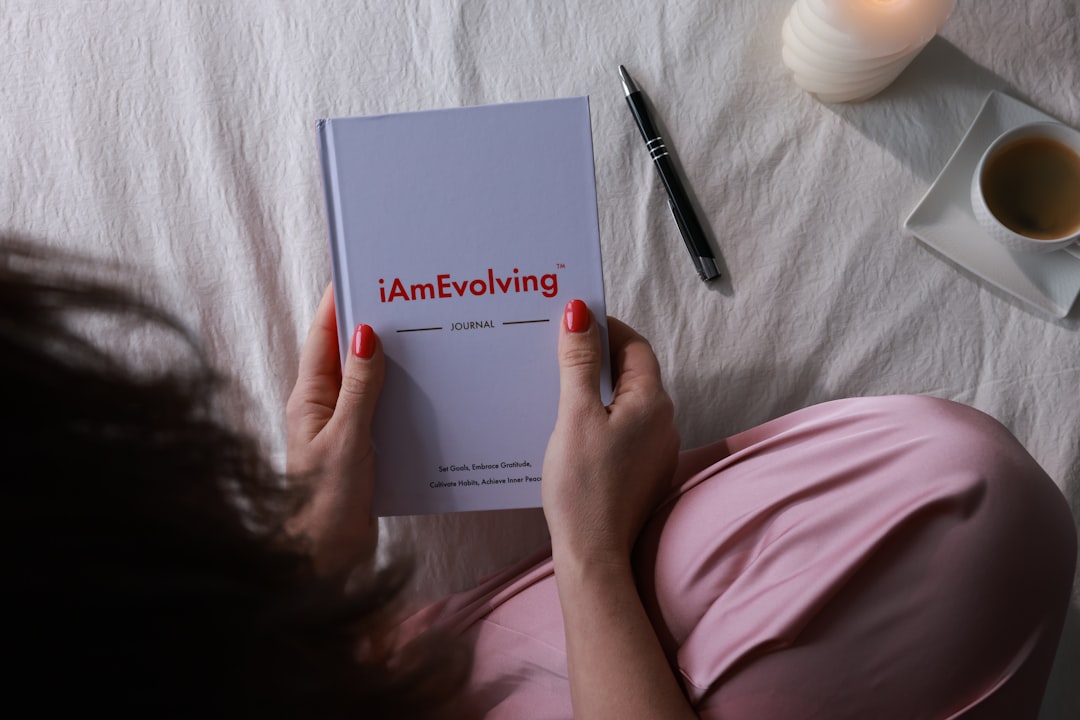
    • Journal: A notebook for tracking triggers and progress.

    Step-by-Step Guide to Crafting Your Routine

    1. Start with Research: Learn about different herbs and their effects. Chamomile, for example, is excellent for calming nerves before sleep, while holy basil can be invigorating.
    2. Choose Your Herbs Wisely: Select herbs based on your specific needs. If you’re new to herbal remedies, start with widely recognized ones like chamomile or valerian root.
    3. Integrate Breathing Exercises: Dedicate a few minutes each morning and evening to deep breathing. Techniques like the 4-7-8 method can be particularly effective.
    4. Track Your Progress: Use a journal to note which herbs and techniques work best for you. Record any changes in anxiety levels or overall mood.
    5. Adjust as Needed: Your routine should evolve. If one method isn’t working, don’t hesitate to try another. Flexibility is key to personalization.

    Common Pitfalls and How to Avoid Them

    When personalizing your anxiety relief routine, it’s easy to fall into a few common traps. Here’s how to steer clear:

    • Overloading with Techniques: Start simple. Incorporate one new herb or breathing exercise at a time to see how your body responds.
    • Neglecting Consistency: Regularity is more impactful than intensity. Five minutes of daily practice can be more effective than an hour once a week.
    • Ignoring Professional Advice: While natural methods are beneficial, they are not a substitute for professional mental health support if needed.

    Embrace Your Personalized Path

    Crafting a personalized anxiety relief routine tailored to your unique needs can be empowering and cost-effective. By integrating natural methods such as herbs and breathing exercises, you create a sustainable practice that enhances well-being. With consistency and a willingness to adapt, you can manage anxiety more effectively and affordably.

    Photo by iAm Evolving on Unsplash

  • Best Free Breathing Apps for Anxiety Relief in 2026

    Best Free Breathing Apps for Anxiety Relief in 2026

    In the fast-paced world we live in, anxiety can feel like an unwelcome companion. Finding effective ways to manage it is crucial for maintaining mental well-being. As we step into 2026, technology offers some remarkable solutions, particularly through apps that focus on guided breathing. Discovering the best free breathing apps 2026 can help you seamlessly integrate anxiety relief into your daily routine.

    Our Top Pick for 2026

    Among the various options available, Calm Breath stands out as a comprehensive tool. With its user-friendly interface and scientifically-backed techniques, it supports users with diverse needs and experiences.

    Top 5 Best Free Breathing Apps 2026

    1. Calm Breath

    Calm Breath offers guided sessions tailored to individual preferences, making it an ideal choice for anyone seeking personalized anxiety relief. The app provides a variety of breathing exercises, from simple deep breathing to more complex patterns, all backed by research. Its calming visuals and soothing audio enhance the experience, helping you unwind anytime, anywhere.

    2. Breathe2Relax

    Breathe2Relax, developed by the Department of Defense, is a powerful tool designed to help manage stress. Its straightforward approach focuses on diaphragmatic breathing, a technique proven to reduce anxiety levels. Users appreciate its easy navigation and clear, concise instructions, making it a go-to for quick stress relief.

    3. Prana Breath

    Prana Breath takes a holistic approach by integrating ancient breathing practices with modern technology. The app offers a variety of exercises, including pranayama, to enhance lung capacity and reduce stress. Its unique feature is the custom training mode, allowing users to tailor sessions according to their needs and progress.

    4. Breathing Zone

    For those who prefer simplicity, Breathing Zone is an excellent choice. This app focuses on reducing anxiety through slow breathing exercises. Its minimalistic design ensures that users can focus solely on their breathing without distractions. The app’s ability to sync with smartwatches makes it a convenient tool for on-the-go stress management.

    5. MyLife Meditation

    Formerly known as Stop, Breathe & Think, MyLife Meditation combines mindfulness with breathing techniques to address anxiety. Its personalized approach, based on daily emotional check-ins, helps users select exercises that match their current mental state. The app’s diverse content, including guided meditations and breathing practices, makes it a versatile choice for holistic mental health care.

    Summary of Differences

    App Unique Feature Best For
    Calm Breath Personalized guided sessions Comprehensive anxiety relief
    Breathe2Relax Diaphragmatic focus Quick stress management
    Prana Breath Custom training mode Advanced breathing techniques
    Breathing Zone Minimalistic design Simplicity and focus
    MyLife Meditation Emotional check-ins Mindfulness integration

    Choosing the Right App for You

    If you’re looking for a comprehensive tool that offers a wide range of exercises, Calm Breath is your best bet. For those who favor simplicity, Breathing Zone provides straightforward guidance without unnecessary frills. Meanwhile, Prana Breath caters to those interested in advanced breathing techniques. Whether you’re seeking a quick stress fix or a holistic approach, the best free breathing apps 2026 have something to offer everyone. Dive into these tools and discover the peace that comes through mindful breathing.

    Photo by Balázs Kétyi on Unsplash

  • Best Herbal Kits for Anxiety Relief in 2026: A Comprehensive Guide

    Best Herbal Kits for Anxiety Relief in 2026: A Comprehensive Guide

    In the fast-paced world of 2026, managing anxiety effectively is more important than ever. For those seeking natural solutions, exploring the best herbal kits for anxiety relief in 2026 can provide a holistic and practical approach. These kits are carefully curated to offer a blend of herbs that work synergistically to soothe anxiety, making them ideal for individuals who prefer a natural path to emotional well-being.

    After extensive research and testing, our top pick is the Calm & Focus Herbal Kit. This kit stands out due to its unique combination of adaptogens and calming herbs, designed to support both the mind and body in stressful situations.

    Top Herbal Kits for Anxiety Relief in 2026

    1. Calm & Focus Herbal Kit

    The Calm & Focus Herbal Kit is a comprehensive solution containing a blend of ashwagandha, chamomile, and lemon balm. These ingredients are well-known for their calming properties and ability to improve focus. Users report enhanced concentration and a noticeable reduction in stress levels, making it an excellent choice for those balancing demanding workloads.

    2. Serenity Herbal Blend

    This kit features a mix of passionflower, valerian root, and lavender. It’s perfect for those seeking tranquility after a long day. The Serenity Herbal Blend is particularly effective for evening use, promoting restful sleep and helping the mind unwind.

    3. Mindful Balance Kit

    With ingredients like holy basil, rhodiola, and peppermint, the Mindful Balance Kit is tailored for individuals who need to manage anxiety while maintaining energy. This kit is ideal for daytime use, as it helps maintain a calm yet alert state, perfect for navigating busy schedules without succumbing to stress.

    4. Stress-Free Herbal Pack

    Designed for convenience, the Stress-Free Herbal Pack contains pre-measured sachets of kava kava, lemon balm, and hops. This kit is great for on-the-go relief, offering a portable option that fits seamlessly into a hectic lifestyle. Its ease of use makes it a favorite among professionals and travelers.

    5. Tranquil Moments Herbal Set

    Featuring a soothing blend of skullcap, passionflower, and motherwort, the Tranquil Moments Herbal Set is crafted for those who prefer a gentle approach to anxiety management. It is especially beneficial for individuals who are new to herbal remedies, offering a mild yet effective introduction to natural anxiety relief.

    Comparison Table — Key Features of Top Herbal Kits

    Kit Main Ingredients Best For Unique Feature
    Calm & Focus Herbal Kit Ashwagandha, Chamomile, Lemon Balm Focus & Stress Management Enhances concentration
    Serenity Herbal Blend Passionflower, Valerian Root, Lavender Evening Relaxation Promotes restful sleep
    Mindful Balance Kit Holy Basil, Rhodiola, Peppermint Daytime Calm Maintains energy levels
    Stress-Free Herbal Pack Kava Kava, Lemon Balm, Hops On-the-go Relief Portable sachets
    Tranquil Moments Herbal Set Skullcap, Passionflower, Motherwort Gentle Anxiety Relief Beginner-friendly

    Choosing the right herbal kit depends on your lifestyle and needs. For those who juggle multiple tasks, the Calm & Focus Herbal Kit is a top recommendation due to its ability to enhance concentration while reducing stress. If evening relaxation is your priority, consider the Serenity Herbal Blend. The Mindful Balance Kit is perfect for maintaining calm energy throughout the day, while the Stress-Free Herbal Pack offers convenient on-the-go relief. Lastly, the Tranquil Moments Herbal Set is ideal for beginners to herbal remedies, providing a gentle yet effective introduction to anxiety management.

    Photo by Elsa Olofsson on Unsplash

  • Herbal Supplements vs Prescription Medications for Anxiety in 2026

    Herbal Supplements vs Prescription Medications for Anxiety in 2026

    As the dialogue around mental health continues to evolve, many individuals are exploring alternatives to traditional pharmaceuticals for managing anxiety. This brings us to a vital discussion: herbal supplements vs medications for anxiety. With increasing interest in holistic health practices, understanding the differences, benefits, and potential drawbacks of each option is crucial for anyone seeking to manage anxiety effectively.

    Understanding Herbal Supplements for Anxiety

    Herbal supplements have been used for centuries across various cultures to address a myriad of health concerns, including anxiety. Common herbs like chamomile, valerian root, and ashwagandha are praised for their calming effects. These supplements are often favored for their natural origin and perceived lower risk of side effects compared to pharmaceuticals. However, the efficacy and safety of herbal supplements can vary, and they are less regulated than prescription medications.

    Prescription Medications for Anxiety

    Prescription medications, including SSRIs and benzodiazepines, are commonly prescribed to manage anxiety disorders. These medications are scientifically tested and approved by health authorities like the FDA. They tend to have a more immediate and measurable impact on anxiety symptoms but can come with a spectrum of side effects and potential for dependency.

    Comparing Herbal Supplements and Prescription Medications

    Efficacy

    When it comes to efficacy, prescription medications often provide more immediate and reliable relief for severe anxiety symptoms. SSRIs, for instance, have been widely studied and are effective for long-term management. On the other hand, herbal supplements may take longer to show effects and often work best for mild to moderate anxiety. Their efficacy can be influenced by factors such as dosage, quality of the supplement, and individual differences in metabolism.

    Side Effects

    One of the significant advantages of herbal supplements is their generally milder side effect profile. While prescription medications can cause nausea, weight gain, and increased risk of dependency, herbs like chamomile and lavender are typically well-tolerated. However, it’s important to remember that ‘natural’ does not always mean ‘safe’ for everyone, as herbal supplements can interact with other medications and cause allergic reactions.

    Cost

    Cost is another important factor to consider. Herbal supplements are typically less expensive than prescription medications, which can be appealing for individuals without insurance coverage. However, the cost of supplements can add up over time, especially if high-quality or specialty products are chosen. Prescription medications, while potentially more costly upfront, may be covered by insurance, reducing out-of-pocket expenses.

    Regulation and Quality Control

    Prescription medications are subject to rigorous testing and quality control standards, ensuring their safety and effectiveness. Herbal supplements, meanwhile, are not as strictly regulated, which can lead to variations in quality and potency. Consumers must research and choose reputable brands to ensure they are getting a product that is both safe and effective.

    Who Should Choose Which Option?

    For individuals with severe anxiety, prescription medications may provide the most effective relief, especially when symptoms significantly impact daily functioning. These medications can be particularly beneficial when used in conjunction with therapy. Conversely, those with mild to moderate anxiety or individuals seeking a more holistic approach might benefit from herbal supplements. They can be integrated into a broader lifestyle strategy that includes mindfulness, exercise, and dietary changes.

    Ultimately, the choice between herbal supplements vs medications for anxiety depends on personal preferences, the severity of symptoms, and consultation with healthcare professionals. By weighing the benefits and drawbacks of each, individuals can make informed decisions that best support their mental health and well-being.

    Photo by Supliful – Supplements On Demand on Unsplash