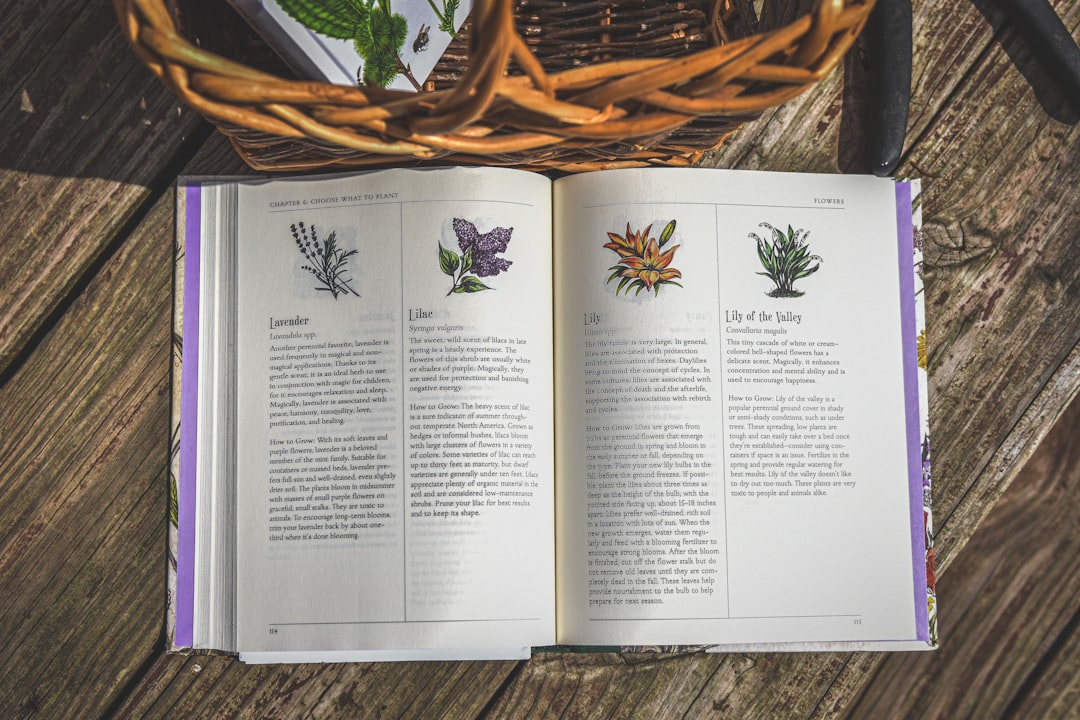
As we move into 2026, the interest in herbal anxiety remedies continues to grow. People are increasingly curious about how these natural solutions can fit into their mental wellness routines. This FAQ addresses common questions about herbal anxiety remedies, providing science-backed insights and practical tips to help you make informed decisions.
Herbal Anxiety Remedies FAQ 2026
What are the most popular herbal remedies for anxiety?
The most popular herbal remedies for anxiety include lavender, chamomile, and valerian root. Lavender is known for its calming scent, often used in aromatherapy to reduce stress. Chamomile, commonly consumed as a tea, is praised for its soothing effects. Valerian root is frequently used to improve sleep and ease tension, making it a favorite for those with anxiety-related insomnia.
How do these herbs work to alleviate anxiety?
Herbal remedies work by interacting with the body’s chemistry to promote relaxation. Lavender, for example, contains compounds that may influence the brain’s limbic system, which controls emotions. Chamomile has antioxidative properties that can help reduce stress hormones. Valerian root increases levels of gamma-aminobutyric acid (GABA) in the brain, leading to a calming effect.
Are there any side effects associated with these herbs?
While generally considered safe, some herbs can cause side effects. Lavender may cause skin irritation for some when applied topically. Chamomile can trigger allergic reactions, particularly in those allergic to ragweed. Valerian root might cause drowsiness or headaches if taken in large doses. It is important to consult with a healthcare provider before starting any new herbal regimen.
Can herbal remedies be combined with conventional anxiety treatments?
Yes, herbal remedies can often be combined with conventional treatments, but it’s important to do so under the guidance of a healthcare professional. Some herbs might interact with medications, affecting their efficacy. For instance, valerian root can enhance the effects of sedatives, so monitoring by a professional is advised.
How should I incorporate herbal remedies into my daily routine?
Incorporating herbal remedies into your daily routine can be as simple as enjoying a cup of chamomile tea in the evening or using lavender essential oil in a diffuser. Consistency is key, so try to integrate these practices into your daily habits for optimal benefits. Start with lower doses and adjust based on your body’s response.
What does current research say about the effectiveness of herbal remedies for anxiety?
Current research supports the effectiveness of certain herbal remedies, though more extensive studies are needed. For example, a 2024 study published in the Journal of Clinical Psychopharmacology found that chamomile extract significantly reduced anxiety symptoms in participants over an eight-week period. However, it’s important to consider that individual responses can vary.
Are there specific herbs that should be avoided for anxiety?
Some herbs may exacerbate anxiety or interact negatively with medications. For instance, St. John’s Wort, though used for depression, can interact with a wide range of medications and may increase anxiety in some individuals. Always consult with a healthcare provider to ensure the herbs you choose are safe and appropriate for your specific needs.
How do I choose quality herbal products?
When selecting herbal products, look for those that are certified organic and free from fillers or synthetic additives. Reputable brands will provide transparency in their sourcing and manufacturing processes. Checking for third-party testing can also ensure the product’s potency and purity.
Can herbal remedies alone effectively manage anxiety?
While herbal remedies can be a valuable part of an anxiety management plan, they are most effective when used in conjunction with other strategies such as therapy, exercise, and mindfulness practices. Herbs can support your overall wellness plan but are unlikely to be a standalone solution for severe anxiety disorders.
By now, you should have a clearer understanding of herbal anxiety remedies as we head into 2026. Whether you’re considering adding herbs to your routine or are simply curious about natural approaches to mental wellness, these insights can guide you in making informed choices. Always remember to consult with a healthcare professional to tailor any anxiety management plan to your specific needs.
Photo by Dani Adkins on Unsplash
Leave a Reply