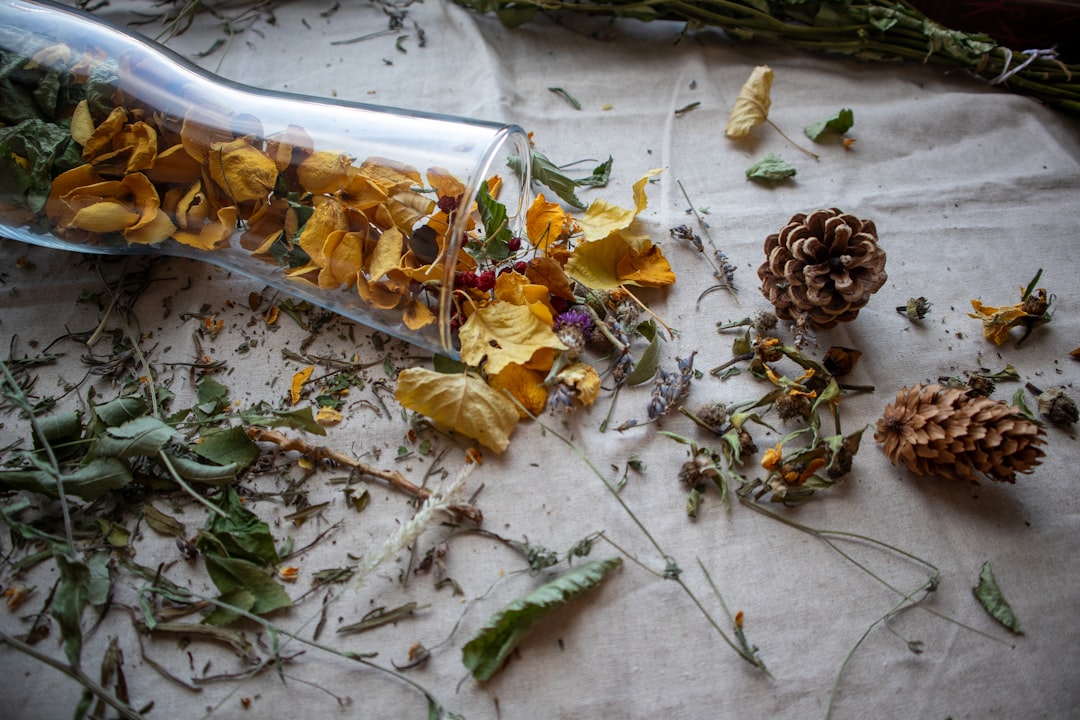
Hey there, fellow wellness explorer! If you’ve ever felt the jittery claws of anxiety, you’re in good company. And if you’re looking for natural ways to ease those nerves, herbal remedies might just be your new best friend. Today, we’re diving into the realm of advanced herbal blending techniques for anxiety relief. It’s all about crafting your personalized herbal concoctions to help manage anxiety. Let’s get started!
Understanding the Basics of Herbal Remedies
Before we jump into the art of blending, let’s take a moment to understand what makes herbs such potent allies in combating anxiety. Herbs have been used for centuries across various cultures for their calming properties. Think of them as nature’s gentle healers. Some common herbs known for their anxiety-soothing effects include chamomile, lavender, valerian root, and passionflower.
The Science Behind Herbal Blends
So, why blend? Each herb has unique properties, and when combined, they can complement each other to enhance their overall effectiveness. This is similar to how different notes in a perfume create a harmonious scent. In herbalism, this synergy is called the ‘entourage effect.’ Essentially, the right blend can amplify the calming effects of each individual herb, providing a more comprehensive approach to anxiety relief.
Getting Started with Herbal Blending
Ready to mix your first blend? Here are some steps to guide you:
1. Identify Your Needs
Start by understanding your specific anxiety triggers. Is it work-related stress or social anxiety? Knowing the root cause helps in picking the right herbs.
2. Choose Your Base Herb
Select a base herb known for its calming effects. Chamomile and lavender are great starting points due to their gentle nature and wide acceptance.
3. Add Complementary Herbs
Next, choose one or two complementary herbs that specifically address your anxiety type. For instance, if you experience anxiety that disrupts sleep, valerian root can be a great addition.
4. Experiment with Ratios
Start with a simple ratio, such as 2:1 for your base to complementary herbs. Adjust based on how your body responds. Remember, herbal blending is both an art and a science.
Practical Blending Examples
Let’s make this concrete with a few examples. Here are sample blends for different anxiety scenarios:
- For General Anxiety: 2 parts chamomile, 1 part passionflower
- For Social Anxiety: 2 parts lavender, 1 part lemon balm
- For Anxiety-Induced Insomnia: 2 parts valerian, 1 part hops
How to Use Your Herbal Blend
Once you’ve crafted your blend, there are several ways to incorporate it into your daily routine:
Herbal Teas
One of the simplest methods is to brew your blend as a tea. Pour hot water over your herbs and let them steep for about 10 minutes. Sip slowly and enjoy the calming ritual.
Tinctures
If you prefer something more potent, consider making a tincture. This involves soaking your herbs in alcohol or glycerin for several weeks to extract their active compounds.
Herbal Baths
For a soothing end to a stressful day, add your herbal blend to a bath. The steam will help release the herbs’ calming properties, creating a spa-like experience at home.
Safety Considerations and Final Thoughts
While herbal remedies are generally safe, it’s crucial to consult with a healthcare provider, especially if you’re pregnant, nursing, or taking medication. Remember, everyone’s body reacts differently, so what works for one person might not work for another.
Herbal blending is a personal journey. It’s about finding what resonates with you and tailoring it to your needs. With patience and a bit of experimentation, you’ll craft blends that bring you peace and calm. Here’s to a more serene, balanced life!
Leave a Reply