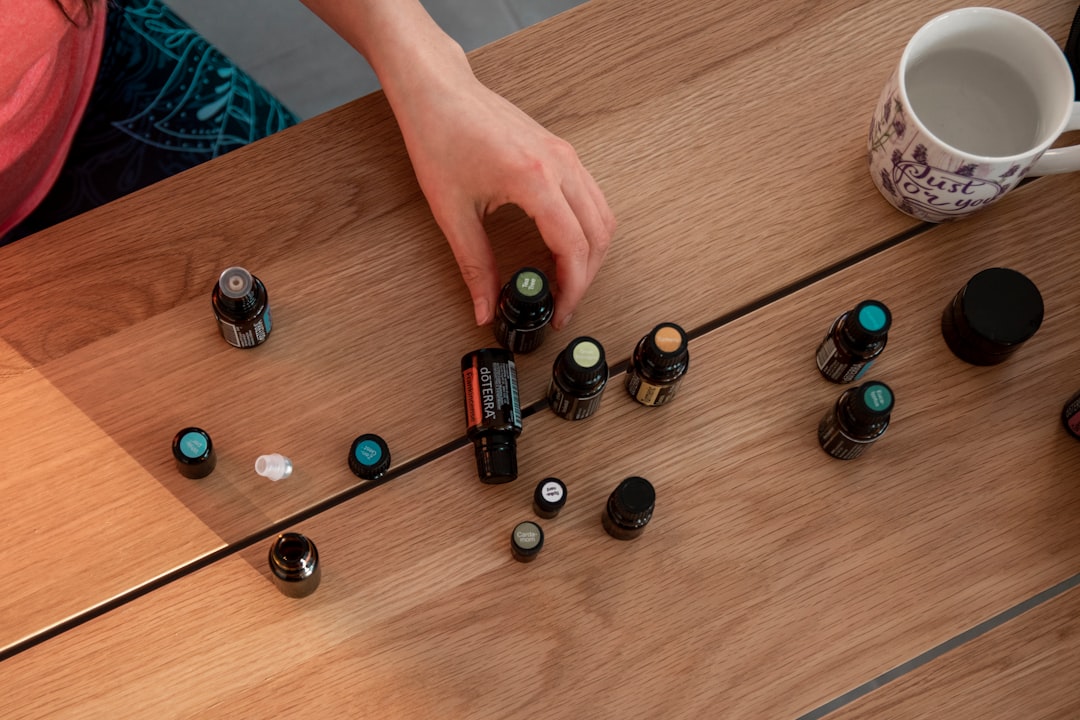
In the evolving landscape of anxiety management, individuals are increasingly turning to natural remedies to find relief. Among these, the discussion of herbal teas vs essential oils for anxiety has gained significant traction. Both options promise tranquility, yet they deliver it through different mechanisms. This comparison aims to shed light on which might be more effective for you in 2026, whether you’re a busy professional seeking calm during hectic days or someone exploring holistic wellness options.
Understanding Herbal Teas for Anxiety
Herbal teas have been a staple in traditional medicine for centuries. Known for their calming properties, they are often brewed from ingredients like chamomile, lavender, and lemon balm. These teas offer a soothing ritual that can be incorporated into daily routines, providing both physical and mental relaxation. The act of brewing and sipping itself can be meditative, adding an extra layer of comfort.
Exploring Essential Oils for Anxiety
Essential oils are concentrated plant extracts that capture the aromatic compounds of herbs and flowers. Oils like lavender, bergamot, and ylang-ylang are popular for their anxiety-reducing effects. They can be used in a variety of ways, including aromatherapy, topical application, or even in diffusers. Essential oils provide a potent and direct way to benefit from the calming properties of plants, often working quickly to soothe the mind.
Herbal Teas vs Essential Oils for Anxiety — A Comparative Analysis
Absorption and Effectiveness
Herbal teas are absorbed through the digestive system, which means their effects are gradual and often longer-lasting. This makes them ideal for sustained anxiety management. In contrast, essential oils, when inhaled, are absorbed quickly into the bloodstream through the lungs, offering immediate relief. Those who need fast-acting solutions during acute stress might find essential oils more beneficial.
Ease of Use
Preparing herbal tea involves brewing, which can be seen as a therapeutic process but might be inconvenient for some. Essential oils, on the other hand, offer versatility and convenience. They can be inhaled directly from the bottle or used in a diffuser without much preparation, making them more accessible for quick use throughout the day.
Sensory Experience
Both herbal teas and essential oils engage the senses, but in different ways. Herbal teas provide a multi-sensory experience involving taste, warmth, and aroma. Essential oils primarily engage through scent, which can be powerful for those who are olfactory-oriented. Choosing between them may depend on which sensory experience you find more soothing.
Cost and Accessibility
Herbal teas generally tend to be more affordable and easily available at grocery stores or online. Essential oils can be pricier, especially for high-quality, pure extracts. However, a small bottle can last a long time due to the small amounts needed per use. Consider your budget and how often you plan to use these remedies when making a decision.
Who Should Choose Herbal Teas
Herbal teas are perfect for those who appreciate a calming ritual and enjoy the taste and warmth of a brewed cup. They are also suitable for individuals looking for a gentle, long-term approach to anxiety management. If you enjoy taking the time to unwind with a cup of tea, this might be your preferred method.
Who Should Opt for Essential Oils
If you require immediate anxiety relief or prefer a more versatile option, essential oils are the way to go. They are especially beneficial for people who respond well to aromatherapy or who need quick solutions during stressful situations. Their portability also makes them ideal for use at work or on-the-go.
Ultimately, the choice between herbal teas vs essential oils for anxiety hinges on your personal preferences and lifestyle. Both offer unique benefits and can even be used together for a comprehensive approach to managing anxiety. Whether you choose the soothing ritual of herbal tea or the potent aroma of essential oils, integrating natural remedies into your routine can support your journey toward better mental health.
Photo by Stan Georgiev on Unsplash
Leave a Reply