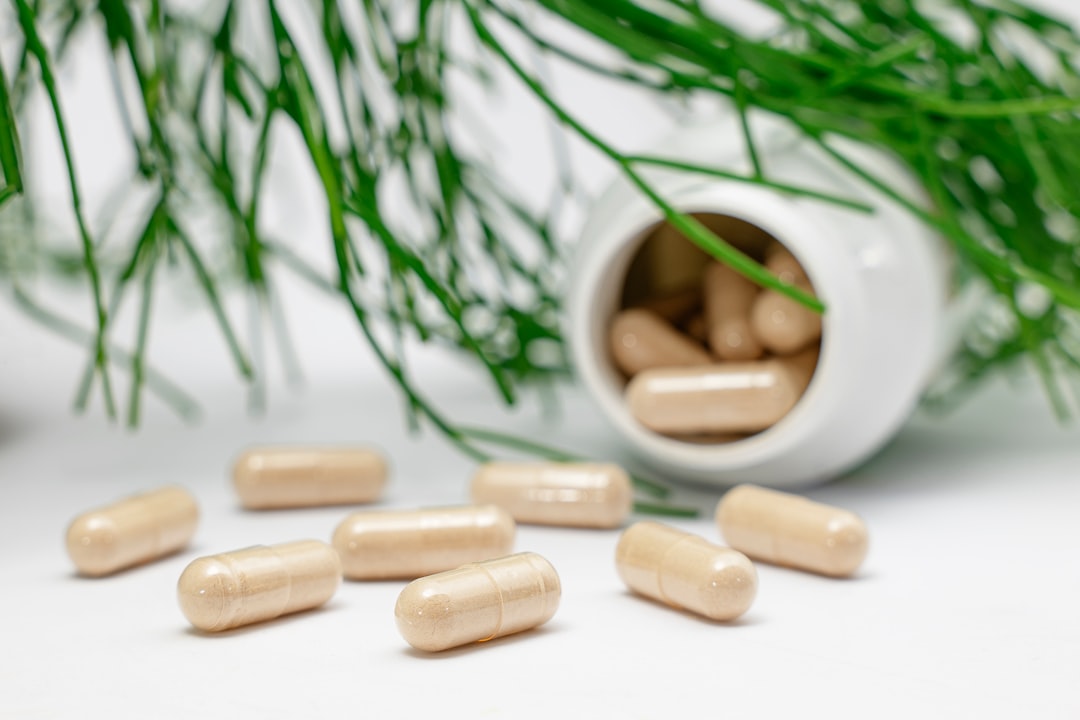
As the dialogue around mental health continues to evolve, many individuals are exploring alternatives to traditional pharmaceuticals for managing anxiety. This brings us to a vital discussion: herbal supplements vs medications for anxiety. With increasing interest in holistic health practices, understanding the differences, benefits, and potential drawbacks of each option is crucial for anyone seeking to manage anxiety effectively.
Understanding Herbal Supplements for Anxiety
Herbal supplements have been used for centuries across various cultures to address a myriad of health concerns, including anxiety. Common herbs like chamomile, valerian root, and ashwagandha are praised for their calming effects. These supplements are often favored for their natural origin and perceived lower risk of side effects compared to pharmaceuticals. However, the efficacy and safety of herbal supplements can vary, and they are less regulated than prescription medications.
Prescription Medications for Anxiety
Prescription medications, including SSRIs and benzodiazepines, are commonly prescribed to manage anxiety disorders. These medications are scientifically tested and approved by health authorities like the FDA. They tend to have a more immediate and measurable impact on anxiety symptoms but can come with a spectrum of side effects and potential for dependency.
Comparing Herbal Supplements and Prescription Medications
Efficacy
When it comes to efficacy, prescription medications often provide more immediate and reliable relief for severe anxiety symptoms. SSRIs, for instance, have been widely studied and are effective for long-term management. On the other hand, herbal supplements may take longer to show effects and often work best for mild to moderate anxiety. Their efficacy can be influenced by factors such as dosage, quality of the supplement, and individual differences in metabolism.
Side Effects
One of the significant advantages of herbal supplements is their generally milder side effect profile. While prescription medications can cause nausea, weight gain, and increased risk of dependency, herbs like chamomile and lavender are typically well-tolerated. However, it’s important to remember that ‘natural’ does not always mean ‘safe’ for everyone, as herbal supplements can interact with other medications and cause allergic reactions.
Cost
Cost is another important factor to consider. Herbal supplements are typically less expensive than prescription medications, which can be appealing for individuals without insurance coverage. However, the cost of supplements can add up over time, especially if high-quality or specialty products are chosen. Prescription medications, while potentially more costly upfront, may be covered by insurance, reducing out-of-pocket expenses.
Regulation and Quality Control
Prescription medications are subject to rigorous testing and quality control standards, ensuring their safety and effectiveness. Herbal supplements, meanwhile, are not as strictly regulated, which can lead to variations in quality and potency. Consumers must research and choose reputable brands to ensure they are getting a product that is both safe and effective.
Who Should Choose Which Option?
For individuals with severe anxiety, prescription medications may provide the most effective relief, especially when symptoms significantly impact daily functioning. These medications can be particularly beneficial when used in conjunction with therapy. Conversely, those with mild to moderate anxiety or individuals seeking a more holistic approach might benefit from herbal supplements. They can be integrated into a broader lifestyle strategy that includes mindfulness, exercise, and dietary changes.
Ultimately, the choice between herbal supplements vs medications for anxiety depends on personal preferences, the severity of symptoms, and consultation with healthcare professionals. By weighing the benefits and drawbacks of each, individuals can make informed decisions that best support their mental health and well-being.
Photo by Supliful – Supplements On Demand on Unsplash
Leave a Reply