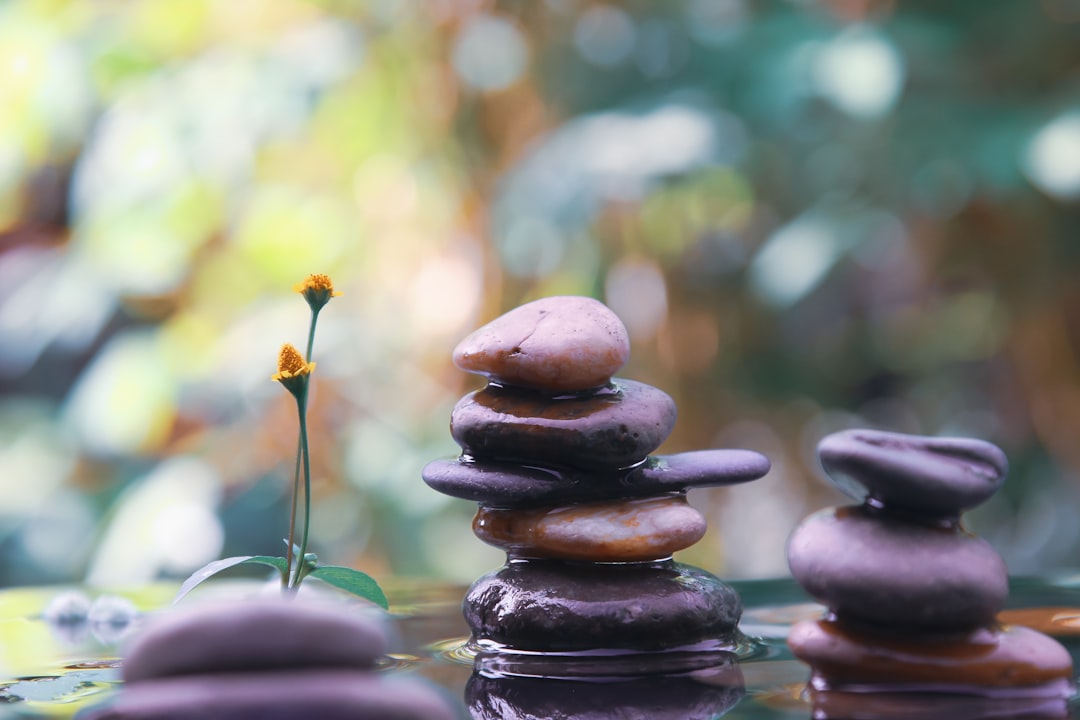
Anxiety can be an unwelcome guest in our lives, showing up unannounced and refusing to leave. While traditional therapies and medications are often recommended, there’s a growing interest in natural remedies that can complement these strategies. Integrating these remedies into your anxiety management plan can offer a holistic approach that feels more aligned with your lifestyle and values.
Understanding Natural Remedies
Before diving into the specifics, let’s clarify what we mean by natural remedies. These are treatments derived from nature, often with a long history of use in traditional medicine. They might include herbal supplements, dietary changes, physical activities like yoga and tai chi, and practices such as meditation and aromatherapy. Each of these can play a role in managing anxiety, and their effectiveness can vary from person to person.
Herbal Supplements and Their Benefits
Herbs have been used for centuries to treat various ailments, anxiety included. Some popular options include chamomile, lavender, and valerian root. Chamomile, often consumed as tea, is known for its calming effects. A study in the Journal of Clinical Psychopharmacology suggests that chamomile can significantly reduce anxiety symptoms. Similarly, lavender has been shown to improve both anxiety and mood when used as an essential oil or in supplement form.
Real-Life Scenario — Embracing Lavender
Consider Sarah, a busy mom juggling work and family. She found that diffusing lavender oil in her living room helped create a calming atmosphere, which eased her evening anxiety. This simple change became a cherished part of her daily routine.
Mindfulness and Meditation Practices
Incorporating mindfulness and meditation into your daily life can be transformative. These practices encourage you to focus on the present moment, reducing the grip of anxiety about the future or the past. A study published in Translational Behavioral Medicine found that regular meditation can significantly decrease anxiety levels in participants.
Case Study — A Mindful Approach
John, a software developer, began practicing mindfulness meditation for ten minutes each morning. Over time, he noticed a marked decrease in his workplace anxiety, leading to improved productivity and job satisfaction. This practice became a cornerstone of his daily routine.
Physical Activity — Moving for Mental Health
Exercise is often touted for its physical benefits, but its impact on mental health is equally significant. Activities like yoga, tai chi, and even regular walks can reduce anxiety symptoms. Exercise promotes the release of endorphins, the body’s natural mood lifters, and helps improve sleep quality, which in turn reduces anxiety.
Practical Tip — Finding Your Flow
For those new to exercise, start small. Perhaps a daily walk during your lunch break or a weekend yoga class. The key is consistency, as regular physical activity can create a positive feedback loop that enhances mental health over time.
Dietary Choices and Anxiety
What you eat can have a profound impact on your mood and anxiety levels. Diets rich in fruits, vegetables, whole grains, and lean proteins can support mental health. Conversely, high sugar and processed food intake can exacerbate anxiety symptoms.
Example — Nutrient-Rich Choices
Emily, a graduate student, began incorporating more omega-3 rich foods like salmon and walnuts into her diet. She noticed a gradual improvement in her anxiety levels and a greater ability to focus during her studies.
Creating a Balanced Plan
While natural remedies can be beneficial, they work best as part of a comprehensive anxiety management plan. This might include therapy, medication, and lifestyle changes. It’s crucial to consult with healthcare professionals before making significant changes, especially if you’re already on medication or undergoing therapy. They can help tailor a plan that suits your specific needs and ensures safety and efficacy.
Integrating natural remedies into your anxiety management plan is about finding what resonates with you. It’s not about replacing medical advice but rather enhancing your approach to well-being. By experimenting with different strategies and being attuned to your body’s responses, you can create a personalized plan that supports a calmer, more balanced life.
Photo by khampha phimmachak on Unsplash
Leave a Reply