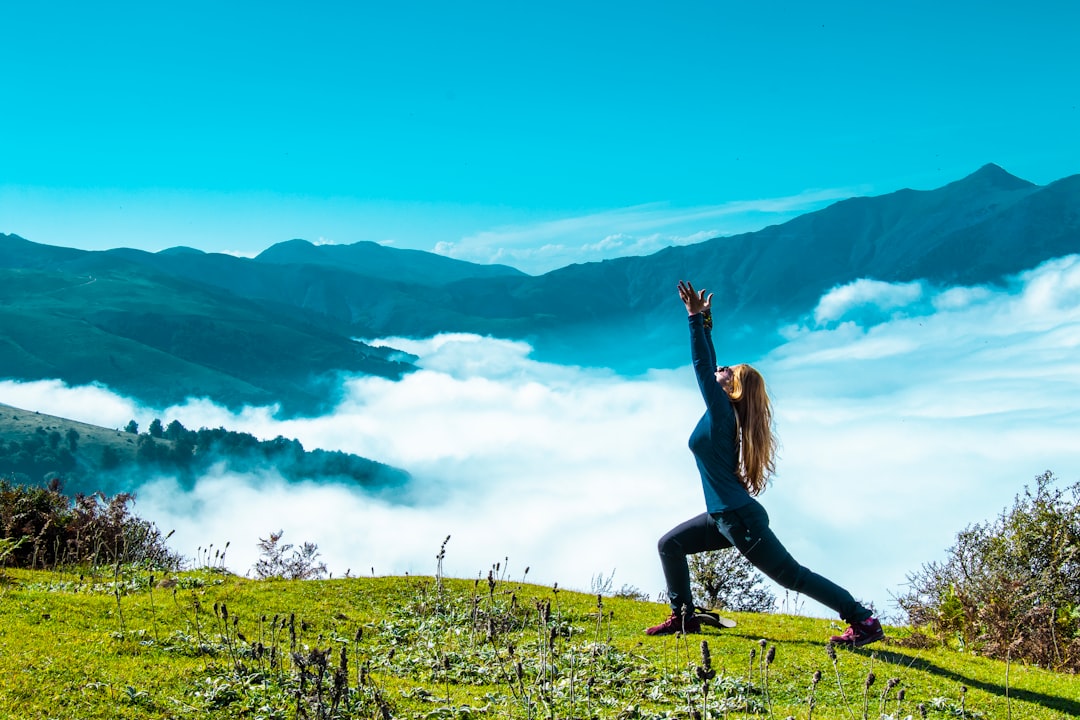
Have you ever found yourself in the middle of a hectic day, feeling like you’re on the brink of an anxiety spiral? It might be a packed schedule or an unexpected challenge that throws you off balance. In these moments, breathing exercises can be your secret weapon. Let’s dive into five beginner-friendly breathing techniques that are not just effective but also easy to incorporate into your daily routine.
The Power of Breath — Why It Matters
Breathwork is more than just a buzzword in wellness circles. It’s a scientifically-backed method that activates the parasympathetic nervous system, helping to calm your body and mind. When you’re anxious, your breath tends to become shallow, depriving your body of oxygen and escalating feelings of stress. By practicing controlled breathing, you can counteract this process and restore a sense of calm.
Five Breathing Exercises to Try Today
4-7-8 Breathing
This technique is a favorite among beginners for its simplicity and effectiveness. Start by inhaling quietly through your nose to a mental count of four. Hold your breath for a count of seven. Then, exhale completely through your mouth for a count of eight. Repeat this cycle four times. Many people find this method helpful before bedtime as it can ease the transition into sleep by lowering your heart rate.
Box Breathing
Also known as square breathing, this technique is commonly used by athletes and Navy SEALs for its ability to increase focus and relieve stress. Picture a box as you practice: inhale for a count of four, hold your breath for four, exhale for four, and pause for another four counts before inhaling again. This structured approach can be particularly grounding during high-pressure situations.
Diaphragmatic Breathing
Sometimes called belly breathing, this exercise emphasizes deep, full breaths. Lie down or sit comfortably and place one hand on your chest and the other on your belly. Breathe in slowly through your nose, letting your belly rise, not your chest. Exhale through pursed lips and feel your belly fall. This method is great for reducing tension and promoting relaxation.
Alternate Nostril Breathing
This technique, rooted in yoga practice, is excellent for balancing the mind and reducing stress. Using your thumb, close your right nostril and inhale deeply through the left nostril. Close the left nostril with your ring finger, open the right nostril, and exhale through it. Inhale through the right nostril, close it, and exhale through the left. Continue alternating for 5-10 cycles. Many practitioners find this balancing and calming, especially during moments of anxiety.
Resonant or Coherent Breathing
This practice involves breathing at a rate of five breaths per minute, which is believed to maximize heart rate variability and improve overall well-being. Inhale for a count of five and exhale for five, maintaining a steady rhythm. This can be particularly useful during meditation or as a standalone practice to enhance relaxation.
Real-Life Success Story
Meet Sarah, a busy professional who struggled with anxiety during her morning commute. She began incorporating 4-7-8 breathing into her routine, practicing it while riding the bus to work. Over time, she noticed a significant decrease in her anxiety levels and found herself arriving at work feeling more centered and less frazzled. This small change made a big impact on her daily life.
Making Breathing Exercises a Habit
Consistency is key when it comes to reaping the benefits of these exercises. Try integrating them into your daily routine—perhaps as part of your morning ritual or as a midday break. Set reminders on your phone or write them into your planner. Remember, the goal is not perfection but progress. Even a few minutes a day can make a difference.
By taking the time to learn and practice these breathing techniques, you’re equipping yourself with tools to manage anxiety more effectively. So, next time you’re feeling overwhelmed, take a moment to pause and breathe. Your mind and body will thank you.
Photo by Farshid Zabbahi on Unsplash
Leave a Reply