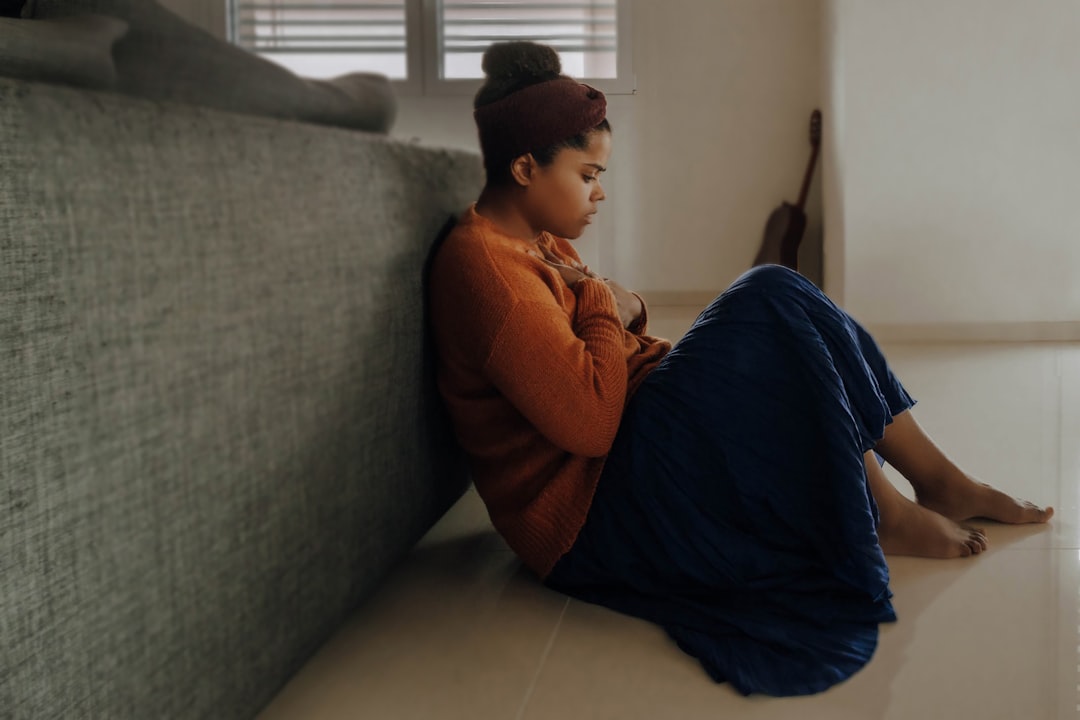
Anxiety can be an overwhelming part of daily life, especially for those juggling numerous responsibilities. However, there are immediate techniques that can offer relief and help regain control. Here, we explore several effective methods that are both practical and grounded in science.
Breathing Exercises
Deep, controlled breathing is a simple yet powerful tool for calming anxiety. When anxiety strikes, try the 4-7-8 technique. Inhale through your nose for four seconds, hold your breath for seven seconds, and exhale slowly through your mouth for eight seconds. This method helps regulate your body’s stress response, promoting a sense of calm.
Case Study — The Power of Breath in Action
Consider Jane, a busy professional, who found her anxiety peaking during presentations. By incorporating the 4-7-8 breathing technique before meetings, she noticed a significant reduction in her anxiety levels, allowing her to focus more effectively on her performance.
Progressive Muscle Relaxation
This technique involves tensing and then slowly relaxing each muscle group in your body. Start from your toes and work your way up to your head. This practice not only helps reduce physical tension but also encourages mental relaxation by shifting focus from anxious thoughts to bodily sensations.
Example — Building Relaxation into Routine
Tom, a software developer, integrates progressive muscle relaxation into his evening routine. This practice has helped him unwind after work, improving both his sleep quality and overall stress levels.
Grounding Techniques
Grounding techniques are designed to bring your attention to the present moment. One such method is the 5-4-3-2-1 technique, which engages the senses. Identify five things you can see, four things you can touch, three things you can hear, two things you can smell, and one thing you can taste. This exercise helps divert your mind from anxiety-inducing thoughts.
Practical Implementation
During an anxiety attack, Sarah uses the 5-4-3-2-1 technique to reconnect with the present, leaving her feeling more centered and less overwhelmed.
Mindfulness Meditation
Mindfulness meditation encourages you to focus on the present without judgment. A simple practice involves sitting quietly, closing your eyes, and concentrating on your breath. If your mind wanders, gently bring your focus back to your breath. Regular practice can lead to long-term anxiety reduction by cultivating a habit of mindfulness.
Case Study — Mindfulness for Busy Lifestyles
Emily, a full-time parent and part-time student, began meditating for ten minutes each morning. Over time, she noticed her anxiety levels dropping, and she felt more equipped to handle daily stressors.
Aromatherapy
Essential oils like lavender, chamomile, and bergamot have been shown to reduce anxiety. Using a diffuser or applying a drop of essential oil to your wrist can provide immediate calming effects. These oils work by stimulating your brain’s limbic system, which controls emotions and memory.
Real-World Application
Mark keeps a small bottle of lavender oil on his desk. During intense work periods, he finds that the scent helps clear his mind and manage stress more effectively.
Physical Activity
Exercise is a well-documented anxiety reliever. Activities like walking, yoga, or stretching release endorphins, which are natural mood lifters. Even a quick ten-minute walk can significantly alter your mood by reducing stress hormones and increasing serotonin levels.
Incorporating Movement
Lisa, who works in a high-pressure sales environment, incorporates short walks into her daily routine. She finds these breaks not only boost her mood but also enhance her productivity.
These techniques are not one-size-fits-all solutions but options to explore for immediate anxiety relief. By experimenting with these methods, you can find what works best for your unique lifestyle and needs. Remember, managing anxiety is a journey, and taking small, consistent steps can lead to significant improvements in your overall well-being.
For more resources and guidance on managing anxiety and stress, explore our other posts on Calm Health Blog.
Photo by Joice Kelly on Unsplash
Leave a Reply